
Protein has become one of the most talked-about nutrients in the world of health and fitness. Walk into any supermarket and you will see protein bars, protein yogurts, protein cereals, protein puddings, and countless tubs of protein powder promising better health and a stronger body.
Yet many people still struggle with low energy, hunger, cravings, and poor body composition despite consuming these products.
What if the answer was much simpler?
What if you could dramatically improve your health, build muscle, reduce cravings, and maintain a leaner body simply by eating more real food?
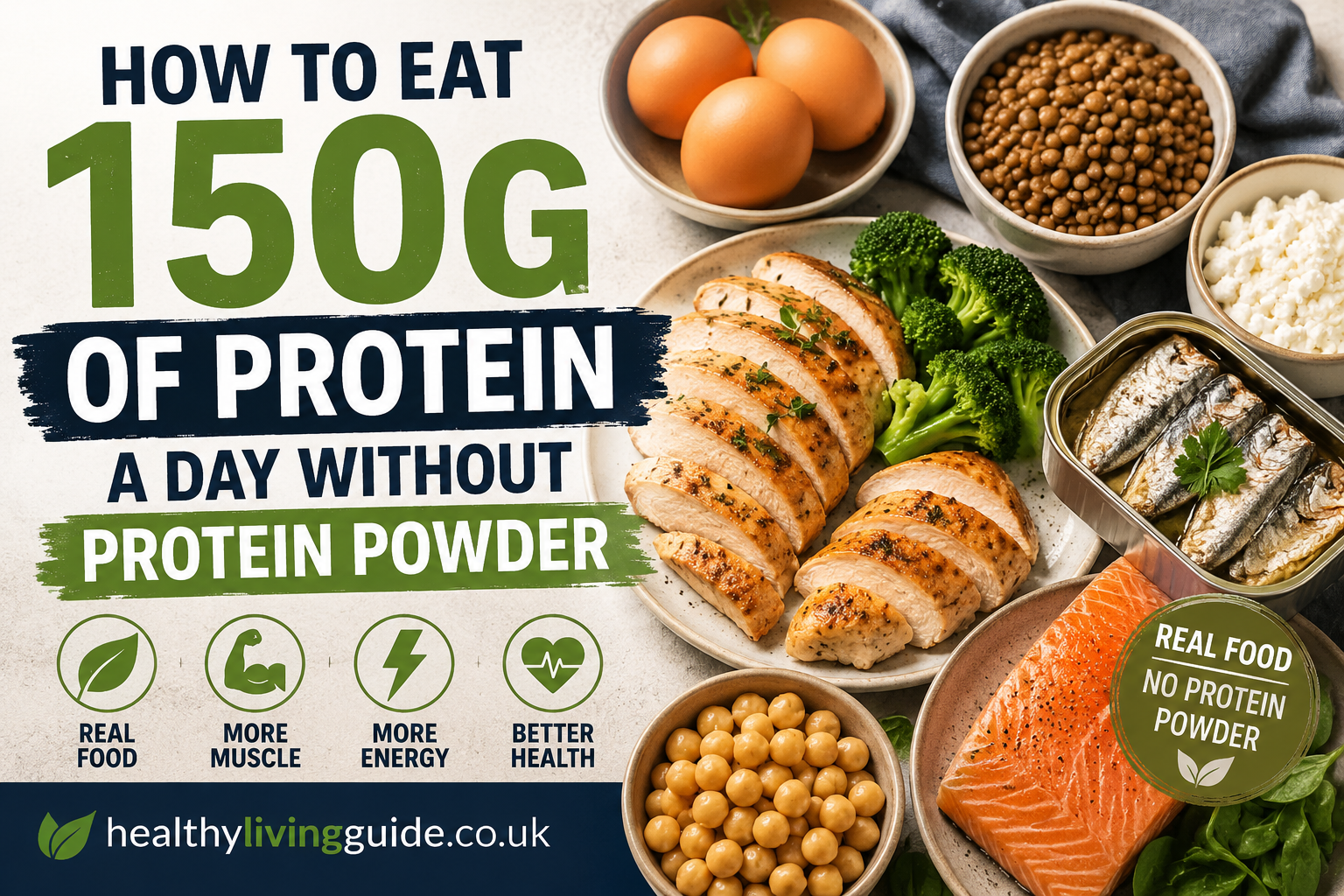
That is exactly what happened during a personal experiment involving a minimum intake of 150 grams of protein per day from whole foods. No protein powders. No protein bars. No supplements disguised as meals. Just nutrient-dense foods such as eggs, fish, chicken, turkey, beef, vegetables, and legumes.
The results were remarkable.
Energy improved. Hunger decreased. Strength increased. Muscle mass improved. Food cravings became easier to manage. Concentration improved. Even hair growth appeared healthier.
This article explores how a 150g protein diet works, why it can be so effective, and how you can apply the same principles to your own life.
Why Protein Matters More Than Most People Realise
Protein is often associated with bodybuilders and athletes, but its importance extends far beyond the gym.
Every cell in the human body depends on protein.
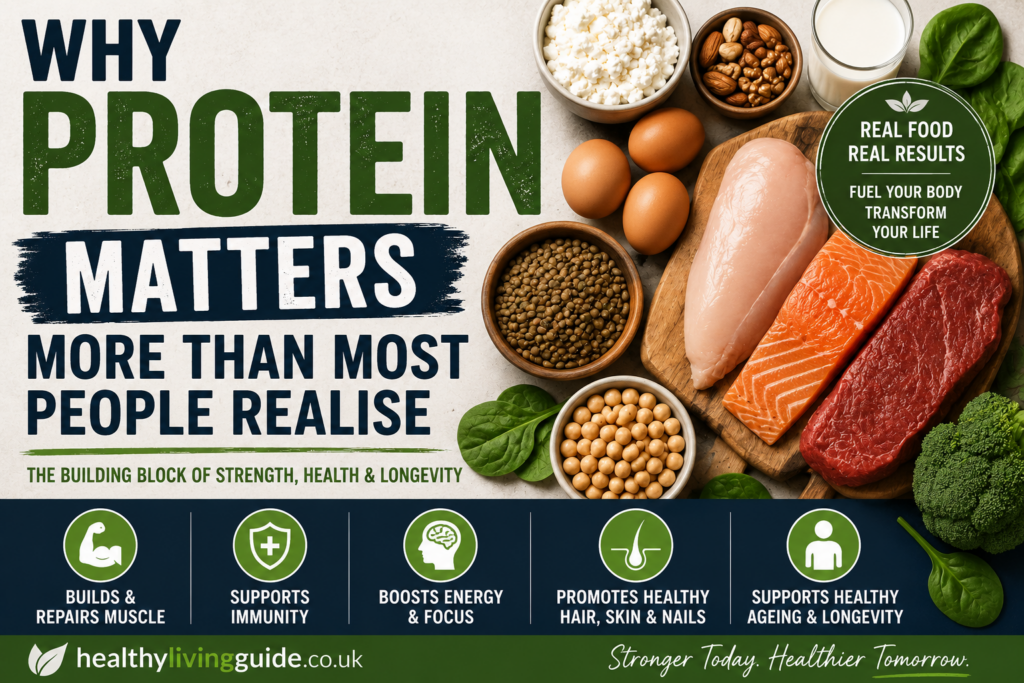
Protein helps build and repair muscles, organs, skin, hair, nails, enzymes, hormones, and immune cells. Without adequate protein, the body simply cannot function optimally.
One of the biggest misconceptions about protein is that only athletes need large amounts of it.
In reality, protein becomes increasingly important as we age.
After the age of 30, most adults begin to lose muscle mass gradually. This process accelerates over time and can lead to weakness, reduced mobility, slower metabolism, and increased risk of injury.
Scientists often refer to this age-related muscle loss as sarcopenia.
Maintaining muscle is not simply about looking good. Muscle is a critical predictor of health, independence, and longevity.
Research consistently shows that people with greater muscle mass and strength tend to live longer, healthier lives.
Protein provides the raw materials needed to preserve and build that muscle.
Traditional dietary guidelines often recommend relatively low protein intakes. However, many fitness and nutrition experts suggest a daily intake of approximately 1.6 to 2.2 grams of protein per kilogram of body weight.
For someone weighing 70 kilograms, that equates to between 112 and 154 grams of protein daily.
This higher intake appears particularly beneficial for people who exercise regularly, want to improve body composition, or are entering middle age and beyond.
How Starting The Day With Protein Changes Everything
Breakfast can set the tone for the entire day.
Many traditional breakfast foods are heavily carbohydrate based. Toast, cereal, pastries, pancakes, and sugary granola provide quick energy but often leave people hungry again within a few hours.
A high-protein breakfast works differently.
Beginning the day with protein provides amino acids to support muscle maintenance while also helping regulate hunger hormones.
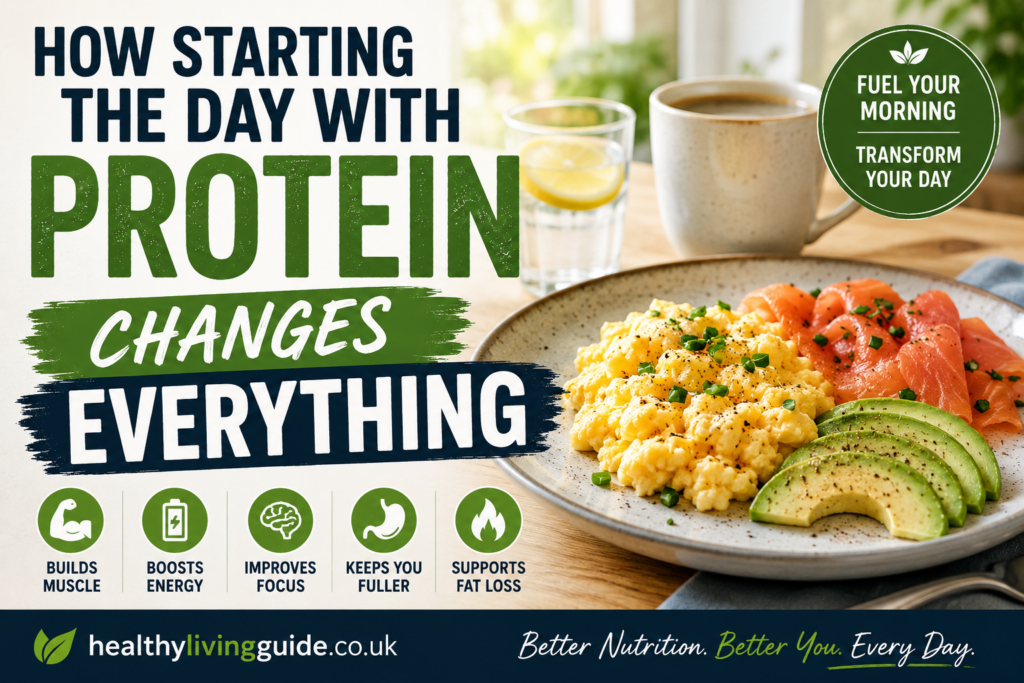
One simple example is three scrambled eggs.
Three eggs provide approximately 18 grams of high-quality protein while also supplying essential nutrients such as choline, selenium, vitamin B12, and healthy fats.
Although preparing eggs requires more effort than pouring cereal into a bowl, the benefits can be substantial.
Many people report:
- Improved morning energy
- Better focus
- Reduced cravings
- Greater workout performance
- Longer-lasting fullness
The goal is not necessarily to eat eggs specifically.
The goal is to consume a meaningful amount of protein early in the day.
Alternative options include:
- Chicken breast
- Turkey
- Salmon
- Sardines
- Lean beef
- Greek yogurt
- Cottage cheese
- Tofu
- Tempeh
The specific food matters less than achieving a solid protein intake.
A protein-rich breakfast can help shift the body from a catabolic state, where muscle breakdown occurs, into a more anabolic state that supports muscle maintenance and recovery.
Why Real Food Protein Beats Processed Alternatives
Protein powders and bars have their place.
They are convenient, portable, and often effective.
However, relying heavily on processed protein products may not be ideal for everyone.
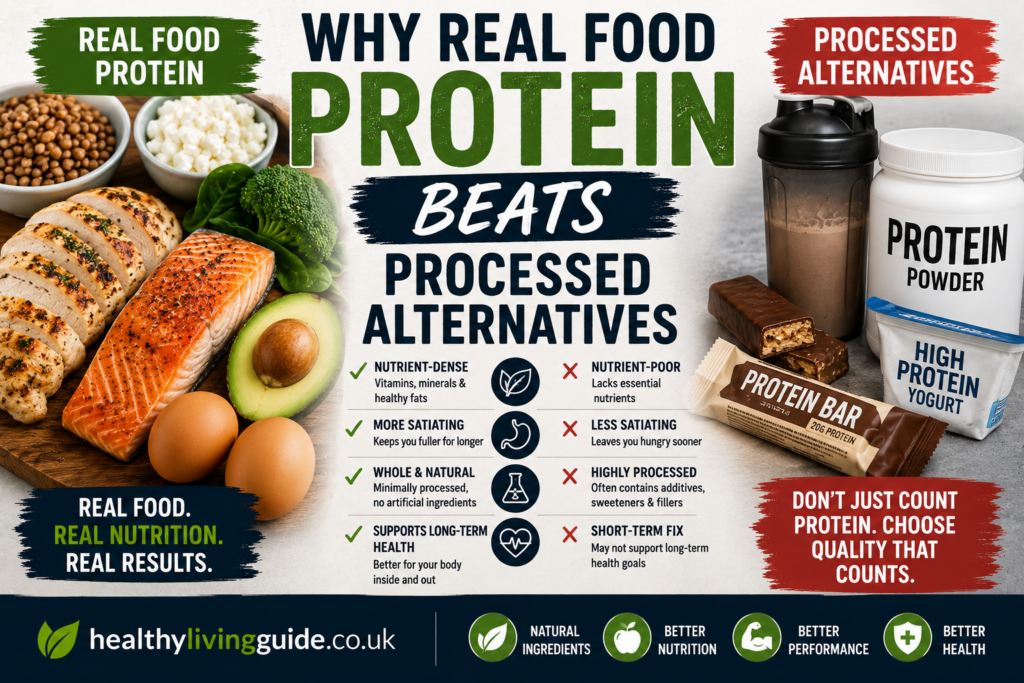
Whole food protein sources offer advantages that powders simply cannot replicate.
When you eat foods such as eggs, fish, chicken, beef, lentils, or beans, you receive far more than protein alone.
These foods contain:
- Vitamins
- Minerals
- Healthy fats
- Fibre
- Antioxidants
- Trace nutrients
These nutrients work together to support overall health.
For example, sardines provide protein, omega-3 fatty acids, calcium, vitamin D, selenium, and numerous other nutrients.
Chicken supplies protein along with B vitamins and important minerals.
Vegetables contribute fibre, vitamins, antioxidants, and phytochemicals that support long-term health.
Whole foods also tend to be more filling.
The chewing process, food volume, fibre content, and slower digestion all contribute to greater satiety.
Many people discover that replacing ultra-processed snacks with protein-rich whole foods dramatically reduces cravings.
This reduction in food noise can be one of the most powerful benefits of a high-protein lifestyle.
Instead of constantly thinking about food, people often feel satisfied for longer periods.
That makes healthy eating significantly easier.
Building A 150g Protein Day Using Simple Meals
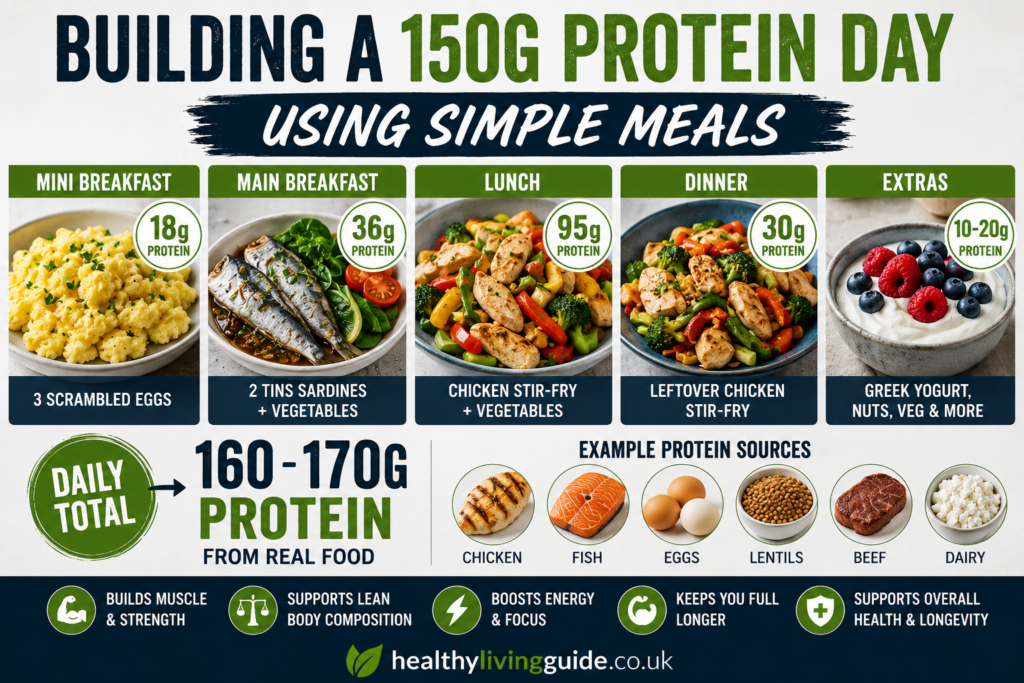
One of the biggest concerns people have is whether it is realistic to consume 150 grams of protein without supplements.
The answer is yes.
In fact, it can be surprisingly simple.
Here is an example structure.
Mini Breakfast
Three scrambled eggs.
Protein: Approximately 18 grams.
Main Breakfast
Two tins of sardines with vegetables.
Protein: Approximately 36 grams.
Running total: Around 54 grams.
Lunch
400 grams of chicken stir-fry with mixed vegetables.
Protein: Approximately 90 to 100 grams.
Running total: Around 150 grams.
Dinner
Remaining portion of the chicken stir-fry.
Additional protein from vegetables and side dishes.
Daily total: Approximately 160 to 170 grams.
The beauty of this approach lies in its simplicity.
Instead of preparing multiple complicated meals, larger protein-rich meals provide most of the day’s requirements.
Other protein-rich foods can be rotated throughout the week:
- Salmon
- Tuna
- Mackerel
- Turkey mince
- Lean beef mince
- Steak
- Eggs
- Lentils
- Chickpeas
- Cottage cheese
- Greek yogurt
Meal preparation also becomes easier when cooking larger portions.
Preparing enough food for lunch and dinner simultaneously saves time while ensuring protein targets are met.
Why High Protein Helps Control Hunger And Cravings
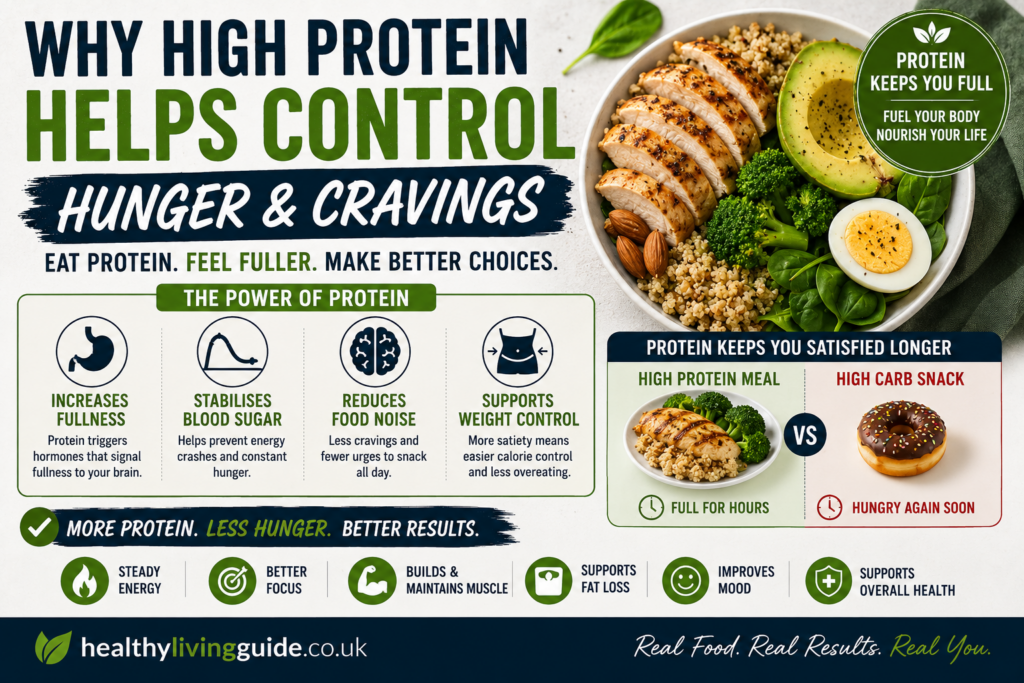
One of the most fascinating effects of increased protein intake is its impact on appetite.
Many people assume hunger is simply a matter of willpower.
In reality, hunger is heavily influenced by hormones and nutrient availability.
Protein stimulates the release of satiety hormones that communicate fullness to the brain.
One hormone frequently discussed is cholecystokinin, often abbreviated as CCK.
When protein reaches the digestive system, signals are sent to the brain indicating that the body has received sufficient nutrients.
The result is reduced hunger.
This effect can be dramatic.
Many people who adopt a high-protein diet report:
- Fewer cravings
- Less snacking
- Reduced desire for sugary foods
- Better portion control
- Greater satisfaction after meals
Instead of fighting hunger throughout the day, they simply feel naturally full.
This creates an enormous advantage for body fat management.
Because protein is highly satiating, it becomes easier to remain within a calorie target without feeling deprived.
That means fat loss can occur without the constant struggle that often accompanies restrictive diets.
Perhaps more importantly, eating enough protein helps preserve muscle mass during weight loss.
Many diets result in both fat loss and muscle loss.
A high-protein approach helps shift that balance in a more favourable direction.
The Surprising Benefits Beyond Muscle Growth
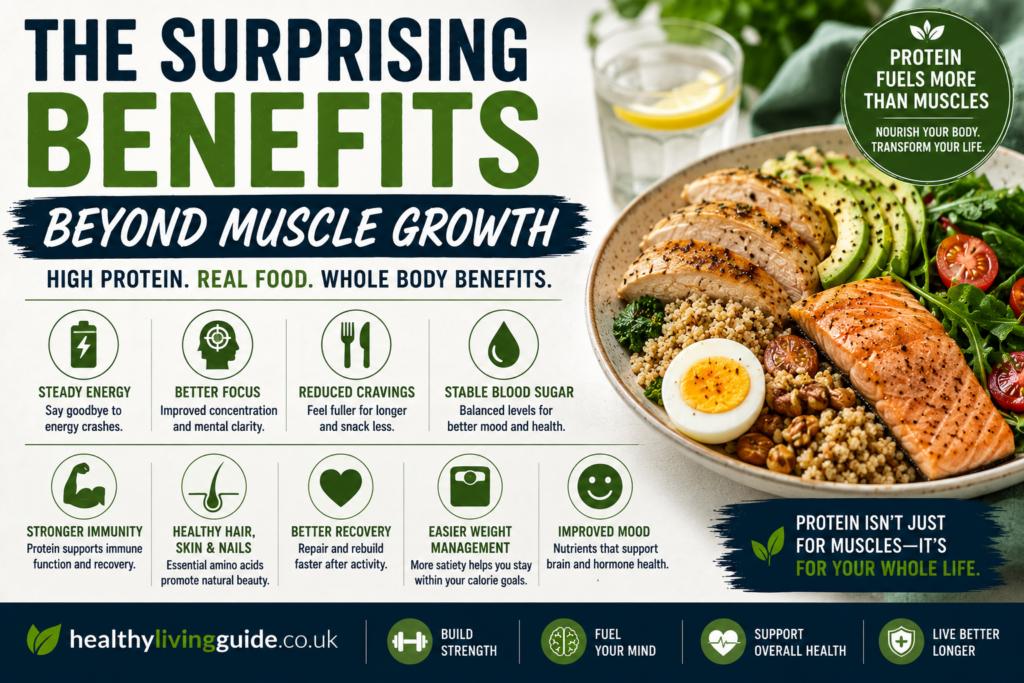
Most discussions about protein focus on muscle.
However, the benefits often extend much further.
One noticeable improvement reported by many people is better energy stability.
Meals rich in protein and vegetables tend to produce steadier blood sugar levels compared with highly processed foods.
Instead of experiencing dramatic spikes and crashes in energy, people often enjoy a more consistent feeling throughout the day.
This can lead to:
- Better concentration
- Improved productivity
- Enhanced mood
- Greater mental clarity
Another benefit is improved exercise performance.
Adequate protein supports recovery after workouts, allowing muscles to repair more effectively.
Over time this can lead to:
- Increased strength
- Improved endurance
- Better training quality
- Faster recovery
As muscle mass increases, physical capacity often improves as well.
People may notice they can lift heavier weights, perform more repetitions, and recover more quickly between sessions.
Some individuals even report improvements in hair quality, nail strength, and skin health due to the increased availability of amino acids required for tissue growth and repair.
While individual results vary, it highlights the fact that protein supports far more than muscle alone.
Every tissue in the body relies on it.
How To Follow A High Protein Lifestyle For The Long Term
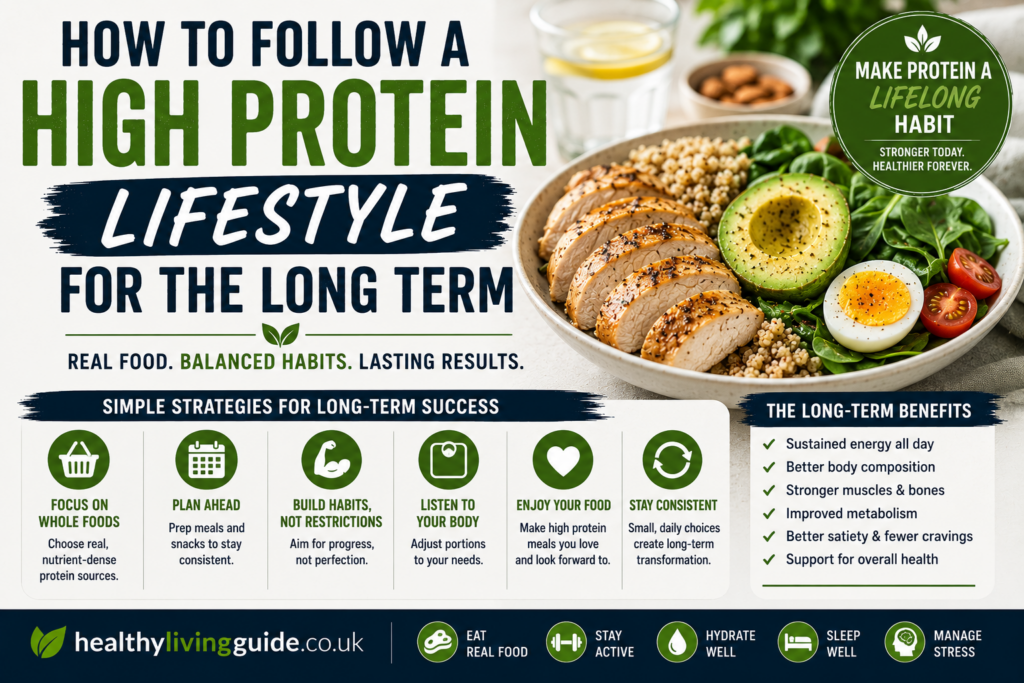
The biggest mistake people make with nutrition is assuming they need perfection.
They do not.
The most successful dietary approaches are the ones people can sustain for years.
A high-protein lifestyle works best when it becomes part of a routine rather than a short-term challenge.
Here are some practical strategies.
Prioritise Protein At Every Meal
Build each meal around a primary protein source.
Examples include:
- Eggs
- Chicken
- Fish
- Turkey
- Lean beef
- Greek yogurt
- Lentils
- Tofu
Prepare Food In Advance
Cooking larger portions reduces decision fatigue and makes healthy eating easier.
Batch cooking can save hours every week.
Focus On Whole Foods
Aim to obtain most protein from minimally processed foods.
This naturally increases nutrient intake while reducing reliance on highly processed snacks.
Keep Meals Simple
Complicated meal plans often fail.
Simple meals repeated regularly tend to produce better adherence.
Adjust For Your Body Weight
Not everyone requires 150 grams daily.
A smaller individual may thrive on less, while a larger person may benefit from more.
Use body weight and activity levels as a guide.
Continue Strength Training
Protein and resistance training work together.
The combination produces results that neither can achieve alone.
Be Flexible
There is no need to be perfect every day.
Social occasions, holidays, and special events are part of life.
Consistency matters far more than perfection.
Why The 150g Protein Approach Can Transform Your Health
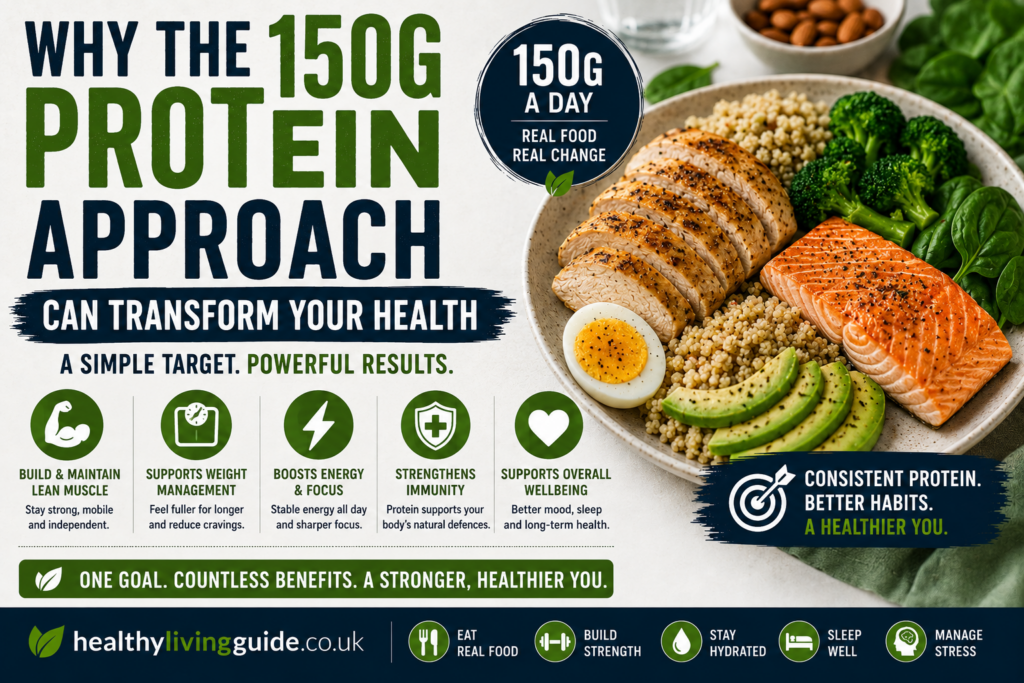
The power of a high-protein diet is not found in any secret supplement or expensive product.
Its effectiveness comes from simplicity.
Eating sufficient protein from real food provides the body with the nutrients it needs to function at its best.
The benefits often include:
- Increased muscle mass
- Greater strength
- Reduced cravings
- Better body composition
- Improved energy
- Enhanced concentration
- Easier weight management
- Better recovery from exercise
Perhaps most importantly, it creates a nutritional foundation that supports long-term health and healthy ageing.
Aiming for 150 grams of protein per day may sound excessive to some people at first.
Yet when those grams come from nutrient-dense foods such as eggs, fish, chicken, beef, vegetables, and legumes, the results can be surprisingly powerful.
The lesson is not necessarily that everyone should consume exactly 150 grams of protein daily.
The lesson is that many people are likely eating far less protein than they need to feel their best.
Increasing protein intake through real food may be one of the simplest and most effective changes you can make for your health.
The foods themselves are not revolutionary.
The results often are.
Disclaimer
The information provided in this article is for educational and informational purposes only. While every effort has been made to ensure accuracy, the content is not intended to replace professional medical, nutritional, fitness, or healthcare advice.
The views and concepts discussed are based on publicly available information, scientific research, expert opinions, and interpretations of the topics covered. Individual health needs, dietary requirements, and fitness goals vary from person to person, and results may differ.
Before making significant changes to your diet, exercise routine, supplementation, or lifestyle habits, you should consult with a qualified healthcare professional, registered dietitian, physician, or other appropriate medical expert.
The author and publisher assume no responsibility for any loss, injury, or damage resulting from the use of information contained in this article. Readers are encouraged to conduct their own research and make informed decisions based on their individual circumstances.
By reading this article, you acknowledge that any actions you take based on the information provided are done at your own discretion and risk.ented in this article.