
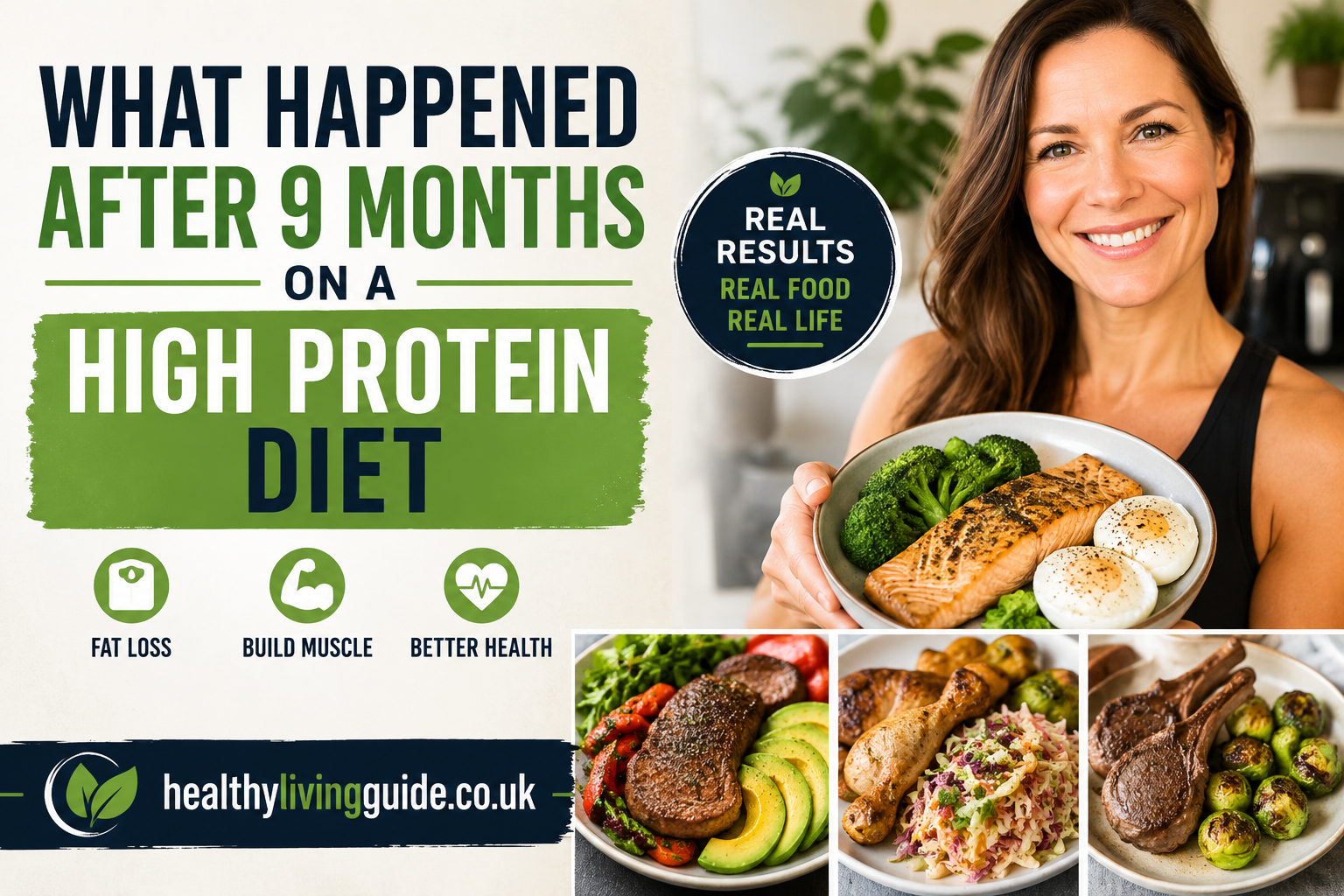
For years, many people have been told that feeling tired, sluggish, and mentally foggy is simply a normal part of getting older. Low energy, stubborn body fat, declining strength, and poor concentration are often accepted as inevitable consequences of age. But what if they are not?
Over the last few years, there has been growing interest in the role nutrition plays in maintaining muscle mass, supporting metabolic health, improving cognitive function, and preventing many of the chronic diseases associated with aging.
One individual decided to test this theory for themselves. After years of intermittent fasting and following a largely vegetarian eating pattern, they completely changed their approach to nutrition following comprehensive health testing.
The results over nine months were remarkable.
Body fat decreased. Muscle mass increased. Energy levels soared. Brain fog disappeared. Mood improved. Productivity increased. Even skin quality and digestive health improved.
The biggest change was simple. They shifted to a nutrient-dense, high-protein eating plan built around whole foods, quality protein sources, vegetables, and healthy fats.
This article explores the lessons learned from that nine-month experiment and explains how a high-protein lifestyle may help improve body composition, energy levels, and long-term health.
Why High Protein Became The Foundation Of Better Health
The decision to change eating habits was not based on a trend or social media recommendation.
Instead, it came after comprehensive blood testing revealed several nutritional deficiencies and health concerns that were affecting overall wellbeing.
Despite appearing reasonably healthy on the outside, deeper analysis revealed low muscle mass and higher-than-expected body fat levels. The situation is often referred to as being “skinny fat.”
A skinny fat physique occurs when someone appears slim or average weight but has inadequate muscle mass and excessive body fat.
This combination can increase the risk of:
- Cardiovascular disease
- Type 2 diabetes
- Osteoporosis
- Reduced mobility later in life
- Poor metabolic health
One of the biggest revelations was discovering how little protein was being consumed daily.
Before the dietary change, protein intake was roughly 60 grams per day.
After switching to a high-protein eating plan, daily intake increased to approximately 140 grams.
Protein is far more than a muscle-building nutrient.
It provides the amino acids required for:
- Tissue repair
- Hormone production
- Immune function
- Enzyme creation
- Neurotransmitter production
- Hair and nail growth
- Muscle maintenance
As we age, maintaining adequate protein intake becomes increasingly important because muscle loss naturally accelerates.
Many experts now recommend consuming between:
1.6\text{ to }2.2\text{ g protein per kg body weight}
Meeting these targets can dramatically improve body composition, recovery, and overall health.
The Surprising Benefits Of Eating Protein At Breakfast
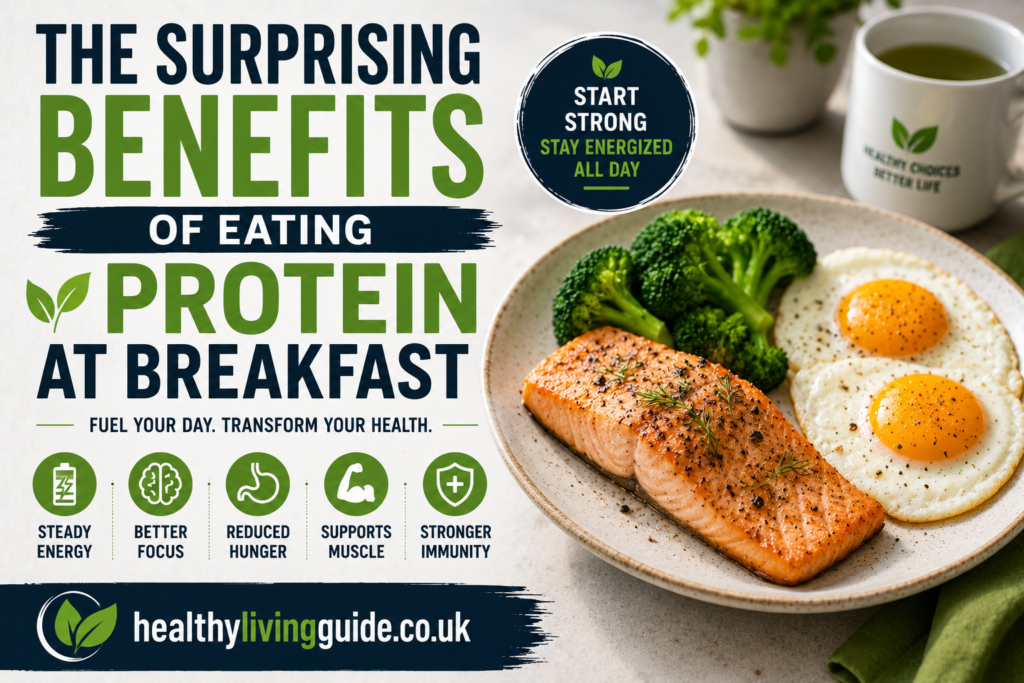
One of the most significant changes involved breakfast.
For years, breakfast was skipped due to intermittent fasting.
When breakfast was finally reintroduced, it looked nothing like a traditional Western breakfast.
Instead of cereal, toast, pastries, or sugary granola, breakfast often consisted of:
- Cod and broccoli
- Salmon and cauliflower
- Haddock and eggs
- Mackerel and vegetables
- Steak and greens
Many people find the idea of eating vegetables and fish in the morning unusual.
However, the results speak for themselves.
Starting the day with high-quality protein and vegetables provided several benefits:
Stable Blood Sugar
Protein slows digestion and helps reduce blood sugar spikes.
This leads to steadier energy levels throughout the day.
Reduced Hunger
Protein is the most satiating macronutrient.
People who consume protein-rich breakfasts often report feeling full for longer and experience fewer cravings.
Improved Mental Focus
The amino acids in protein help produce neurotransmitters that support concentration, memory, and cognitive performance.
Better Muscle Maintenance
Distributing protein across three meals provides multiple opportunities to stimulate muscle protein synthesis throughout the day.
Many people discover that replacing processed breakfast foods with protein-rich meals dramatically improves energy and productivity.
How A Low Carbohydrate High Protein Diet Accelerated Fat Loss
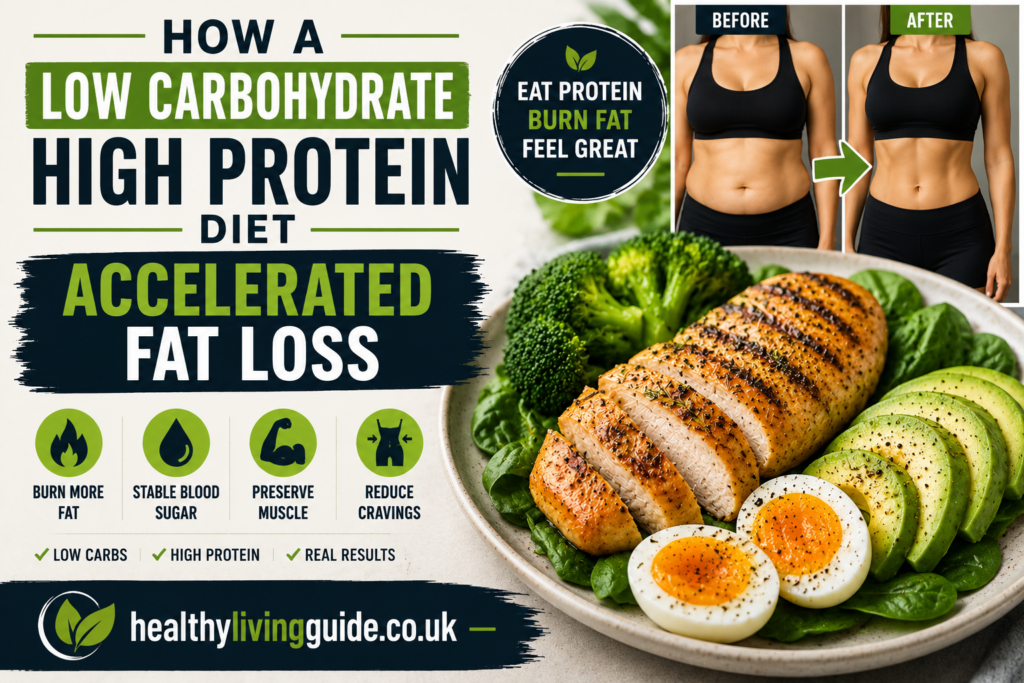
Another key feature of the eating plan was relatively low carbohydrate intake.
Daily carbohydrates averaged approximately 35 grams.
The goal was not to eliminate carbohydrates forever.
Instead, the temporary reduction helped create an environment where the body could more effectively use stored fat for energy.
When carbohydrate intake decreases, insulin levels generally become more stable.
As a result, the body becomes more likely to access fat stores as fuel.
Many individuals report experiencing:
- Better appetite control
- More stable energy
- Reduced cravings
- Improved concentration
- Easier fat loss
One of the most interesting observations was how energy remained consistently high despite consuming far fewer carbohydrates than before.
This often occurs because the body becomes more metabolically flexible and learns to efficiently burn stored fat.
Many people assume low-carb eating automatically means low energy.
In reality, energy often improves once the adaptation period passes.
The quality of food matters enormously.
Five hundred calories from fish and vegetables create a very different physiological response than five hundred calories from highly processed snacks.
Calories still matter, but food quality matters too.
The body responds differently depending on the nutrients being consumed.
Why Nutrient Dense Foods Matter More Than Calories Alone
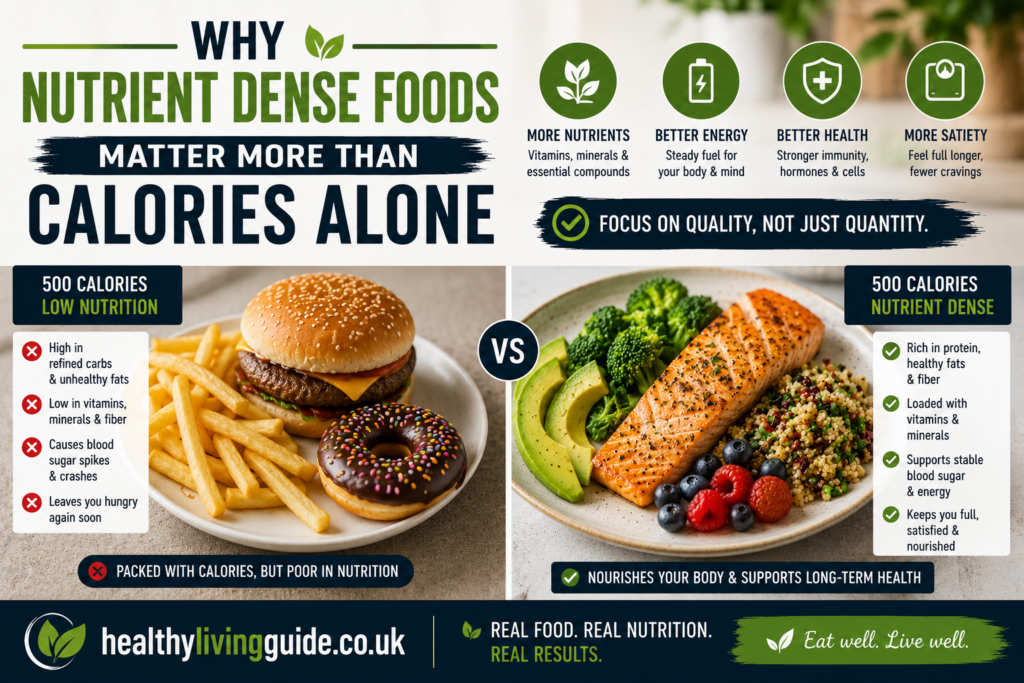
Modern nutrition discussions often focus entirely on calories.
While calorie balance remains important, nutrient density is frequently overlooked.
Nutrient-dense foods provide large amounts of vitamins, minerals, essential fatty acids, and amino acids relative to their calorie content.
Examples include:
- Oily fish
- Eggs
- Beef
- Lamb
- Chicken
- Cruciferous vegetables
- Avocados
- Leafy greens
One fascinating concept involves nutrient sensing.
The body contains systems that continuously assess whether nutritional requirements are being met.
When important nutrients are lacking, hunger can persist despite consuming plenty of calories.
This may explain why many people struggle with cravings after eating processed foods.
Foods rich in:
- Omega-3 fatty acids
- Complete proteins
- Essential minerals
- Vitamins
appear to provide stronger satiety signals.
As a result, people naturally eat less without consciously restricting calories.
This is one reason many individuals experience successful fat loss while feeling less hungry on a high-protein diet.
Nutrient density also supports:
- Hormone balance
- Recovery
- Immune function
- Brain health
- Longevity
Instead of focusing only on calories, it can be beneficial to ask:
“What nutrients am I getting from this meal?”
That simple shift can completely transform eating habits.
The Powerful Combination Of Meat Fish And Vegetables
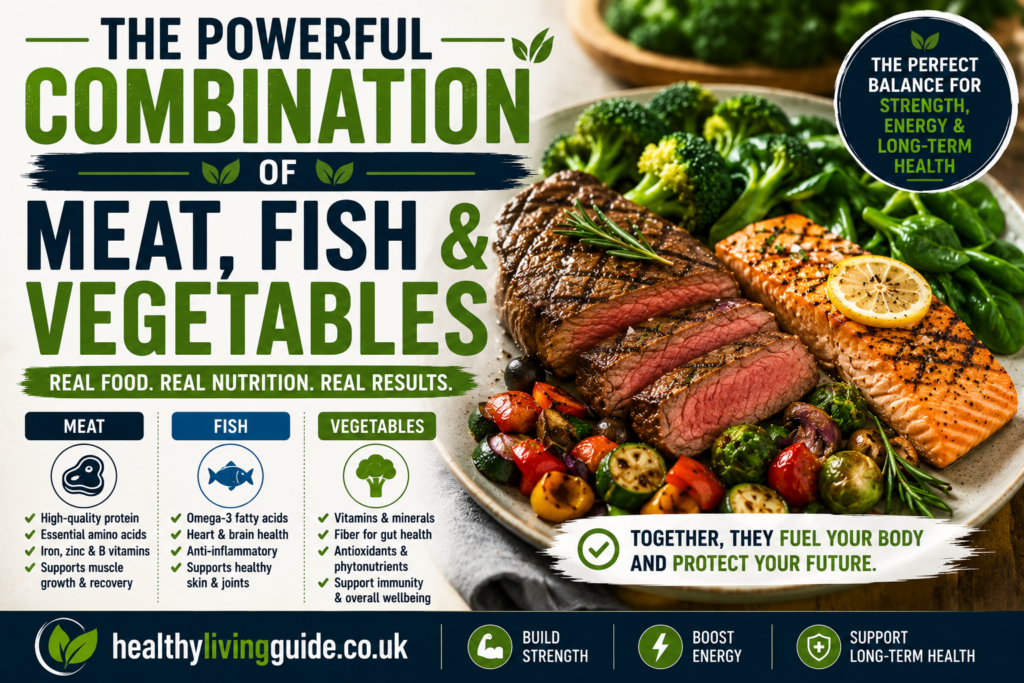
The diet was not exclusively carnivore.
Nor was it plant-based.
Instead, it combined nutrient-rich animal proteins with generous amounts of vegetables.
This approach offers advantages from both sides.
Animal proteins provide:
- Complete amino acid profiles
- Highly bioavailable nutrients
- Vitamin B12
- Iron
- Zinc
- Creatine
- Taurine
Vegetables provide:
- Fibre
- Antioxidants
- Phytochemicals
- Vitamins
- Mineral support
- Gut health benefits
Particular emphasis was placed on cruciferous vegetables such as:
- Broccoli
- Brussels sprouts
- Cauliflower
- Cabbage
These vegetables contain compounds associated with:
- Reduced inflammation
- Improved detoxification
- Better immune function
- Cancer prevention support
Cruciferous vegetables also contain sulforaphane.
Sulforaphane has attracted significant scientific interest because of its potential health-promoting properties.
Simple additions such as mustard seeds and black pepper may further improve nutrient availability.
The result is an eating pattern that supports muscle growth while also nourishing the microbiome and overall health.
Rather than choosing between meat and vegetables, combining both may offer the greatest benefits.
How High Protein Eating Improved Energy Mood And Mental Clarity
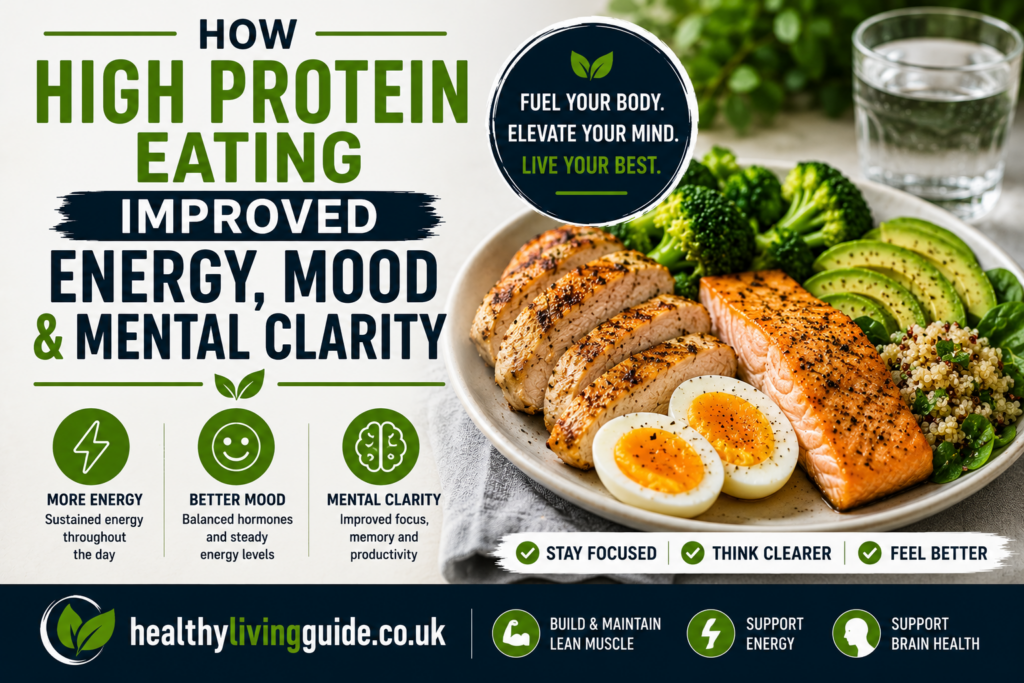
Perhaps the most impressive result was not physical.
It was mental.
Before changing eating habits, daily brain fog was common.
Energy levels fluctuated throughout the day.
Concentration often felt difficult.
After several months on the new plan, these symptoms largely disappeared.
The reasons are likely multifactorial.
Potential contributors include:
Stable Blood Sugar
Blood sugar fluctuations can affect mood, concentration, and energy.
Protein-rich meals help maintain steadier glucose levels.
Better Amino Acid Availability
Protein supplies the building blocks for neurotransmitters such as dopamine and serotonin.
These chemicals play major roles in motivation, mood, and mental wellbeing.
Improved Gut Health
The gut and brain communicate constantly.
A healthy gut microbiome is increasingly associated with improved mental health.
Reduced Inflammation
Many chronic symptoms are linked to low-grade inflammation.
Whole-food diets rich in vegetables and omega-3 fats may help reduce inflammatory burden.
Improved Sleep
Eating earlier in the evening and consuming balanced meals may improve sleep quality.
Better sleep supports virtually every aspect of physical and mental health.
Together, these changes created a noticeable improvement in day-to-day life.
Many people underestimate the effect nutrition can have on cognitive performance.
The Results After Nine Months On A High Protein Diet
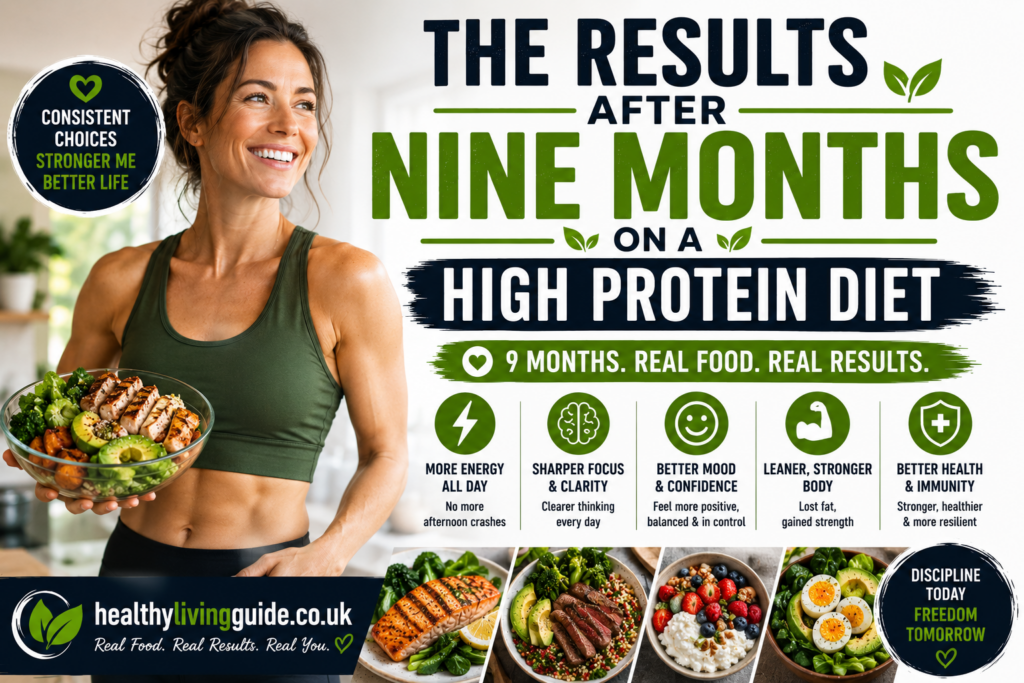
After nine months, the changes were significant.
The measurable improvements included:
Fat Loss
Approximately 4 kilograms of body fat were lost.
This occurred without constant hunger or excessive calorie restriction.
Muscle Gain
Approximately 3 kilograms of muscle mass were gained.
For someone previously identified as having low muscle mass, this represented a major health improvement.
Increased Energy
Energy levels became consistently higher throughout the day.
Better Mood
Stable energy contributed to better emotional wellbeing and fewer fluctuations.
Improved Cognitive Function
Brain fog disappeared and concentration improved significantly.
Healthier Skin
Regular consumption of oily fish and omega-3 fats appeared to support skin quality.
Faster Hair And Nail Growth
Higher protein intake likely contributed to stronger hair and nail growth.
Improved Digestive Health
Long-standing digestive concerns appeared to improve considerably.
Better Overall Wellbeing
Perhaps most importantly, there was a feeling of becoming a completely different person.
The combination of improved body composition, higher energy, better cognition, and enhanced health created a quality-of-life improvement that was impossible to ignore.
How To Apply These Lessons To Your Own Diet
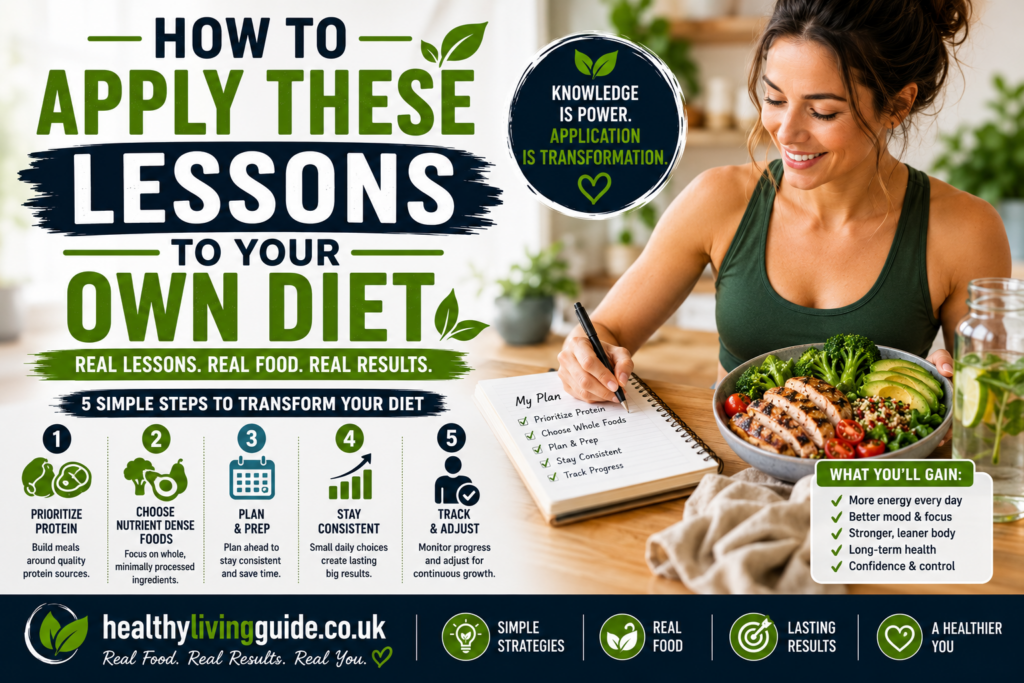
You do not need to copy every aspect of this eating plan to benefit from its principles.
Many people can improve their health dramatically by implementing a few key strategies.
Start with these:
Prioritise Protein At Every Meal
Aim for a quality protein source each time you eat.
Examples include:
- Eggs
- Fish
- Chicken
- Turkey
- Lean beef
- Lamb
- Greek yogurt
Eat More Vegetables
Especially cruciferous vegetables such as broccoli, cabbage, cauliflower, and Brussels sprouts.
Reduce Ultra Processed Foods
Minimise foods high in refined sugar and processed ingredients.
Build Muscle
Combine protein intake with resistance training for maximum results.
Focus On Nutrient Density
Choose foods based on nutritional value rather than calories alone.
Monitor Your Energy Levels
Pay attention to how foods affect:
- Hunger
- Mood
- Focus
- Sleep
- Productivity
Consider Personalisation
Everyone is different.
Blood testing and professional nutritional guidance can help identify individual needs.
The biggest lesson from this nine-month experiment is that nutrition can be transformative.
Many symptoms commonly blamed on aging may actually be signs that the body is not receiving the nutrients it needs.
By prioritising protein, eating nutrient-dense whole foods, building muscle, and supporting overall metabolic health, it is possible to dramatically improve quality of life.
The results may not happen overnight, but as this experience demonstrates, nine months of consistent effort can create changes that feel truly life-changing.
Disclaimer
The information provided in this article is for educational and informational purposes only. While every effort has been made to ensure accuracy, the content is not intended to replace professional medical, nutritional, fitness, or healthcare advice.
The views and concepts discussed are based on publicly available information, scientific research, expert opinions, and interpretations of the topics covered. Individual health needs, dietary requirements, and fitness goals vary from person to person, and results may differ.
Before making significant changes to your diet, exercise routine, supplementation, or lifestyle habits, you should consult with a qualified healthcare professional, registered dietitian, physician, or other appropriate medical expert.
The author and publisher assume no responsibility for any loss, injury, or damage resulting from the use of information contained in this article. Readers are encouraged to conduct their own research and make informed decisions based on their individual circumstances.
By reading this article, you acknowledge that any actions you take based on the information provided are done at your own discretion and risk.ented in this article.