
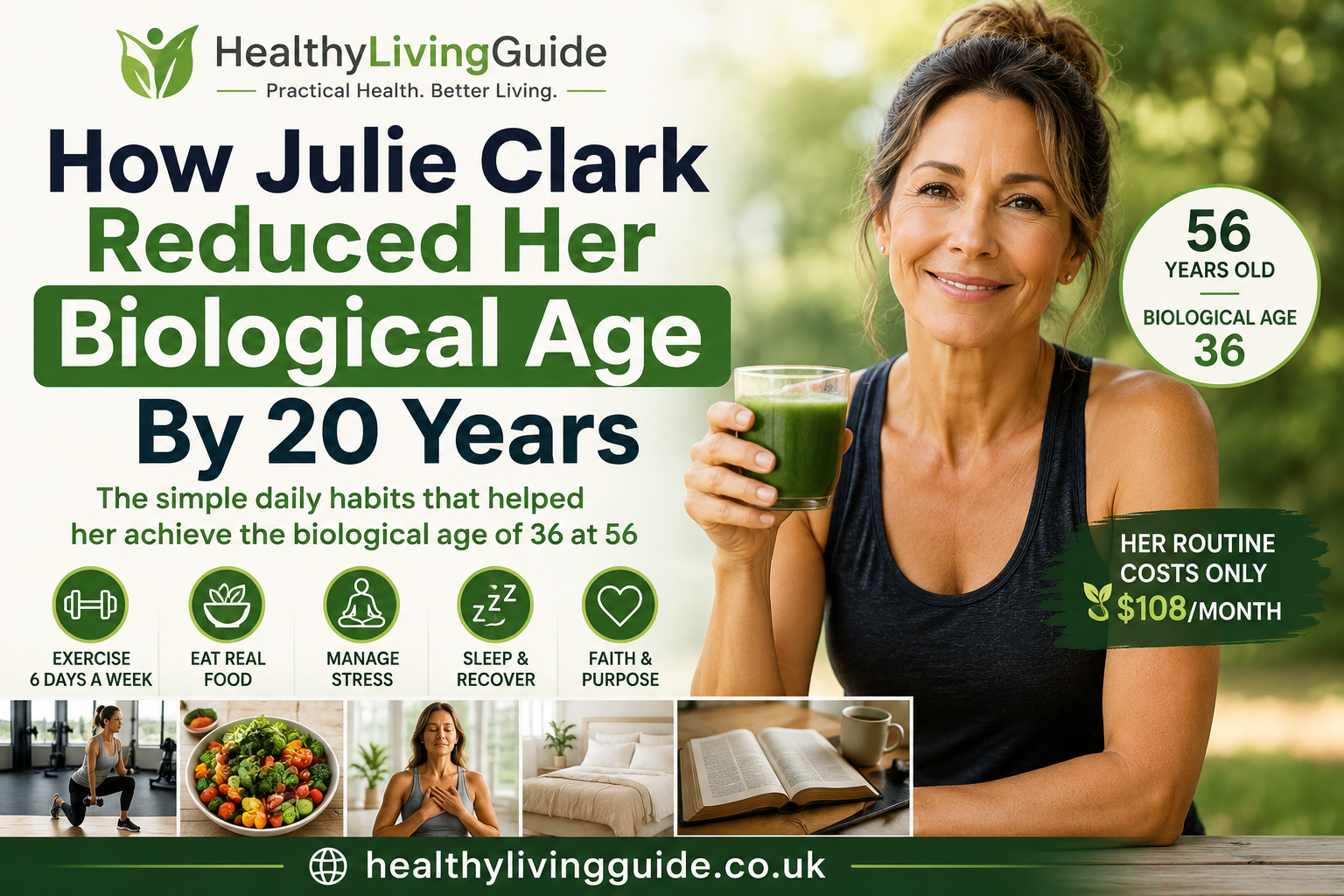
Aging is something every human being experiences, yet some people appear to age much more slowly than others. While many assume this is due to genetics, expensive treatments, or advanced technology, there are remarkable examples of ordinary individuals achieving extraordinary results through simple lifestyle choices.
One such example is Julie Clark. At 56 years old, Julie has gained attention in longevity circles because her biological age has reportedly been measured at approximately 36 years old. In other words, her body appears to function like that of someone two decades younger. Even more impressive is that she achieves this without spending thousands of pounds every month on cutting edge treatments or luxury biohacking equipment. According to reports, her routine costs around $108 per month.
Julie’s story challenges the common belief that longevity is only available to the wealthy. Instead, her approach focuses on simple, sustainable habits that almost anyone can adopt.
In this article, we will explore the key elements of Julie Clark’s longevity routine and the lessons we can all learn from her remarkable success.
Why Biological Age Matters More Than Chronological Age
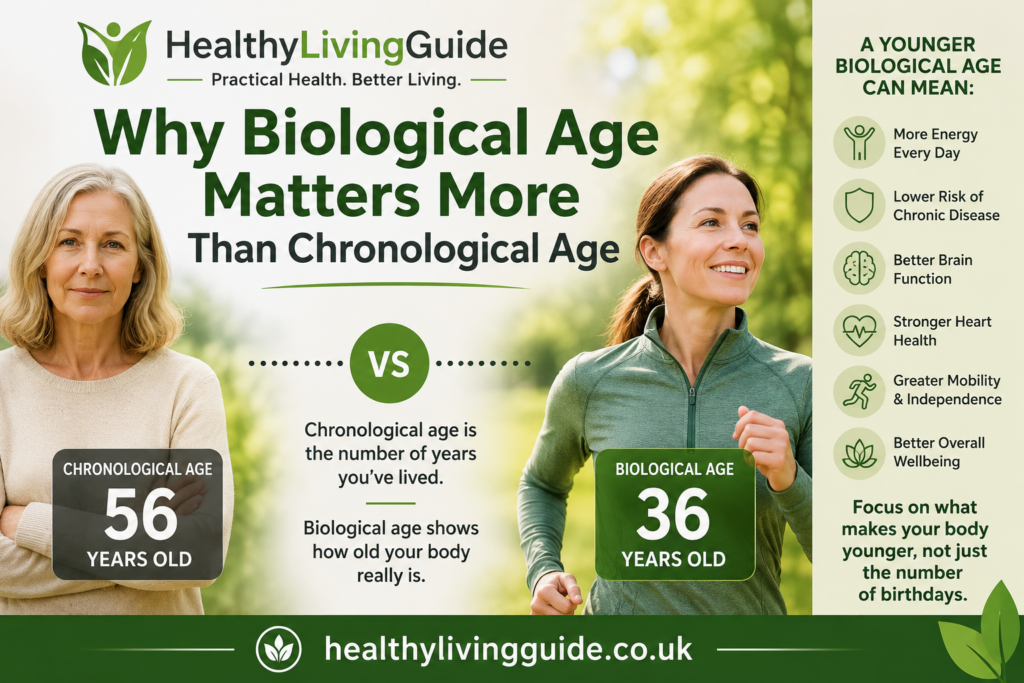
Most people think of age as the number of birthdays they have celebrated. This is known as chronological age. However, longevity researchers increasingly focus on biological age instead.
Biological age refers to how old your body appears based on various health markers. These markers can include:
- Muscle mass
- Cardiovascular fitness
- Metabolic health
- Inflammation levels
- Blood markers
- Cellular health
- Recovery ability
Two people may both be 56 years old chronologically, yet one may have the biological health profile of a 40-year-old while another may resemble a 70-year-old.
Julie Clark’s reported biological age of 36 means that her body has maintained many characteristics associated with youth despite being in her mid-fifties.
This distinction is important because biological age often predicts future health outcomes more accurately than chronological age. People with younger biological ages generally enjoy:
- More energy
- Better mobility
- Lower disease risk
- Stronger immune function
- Improved cognitive performance
- Greater independence later in life
Rather than obsessing over the number on a birthday cake, Julie focuses on behaviors that improve health and slow the aging process.
Simplicity Is The Foundation Of Her Success
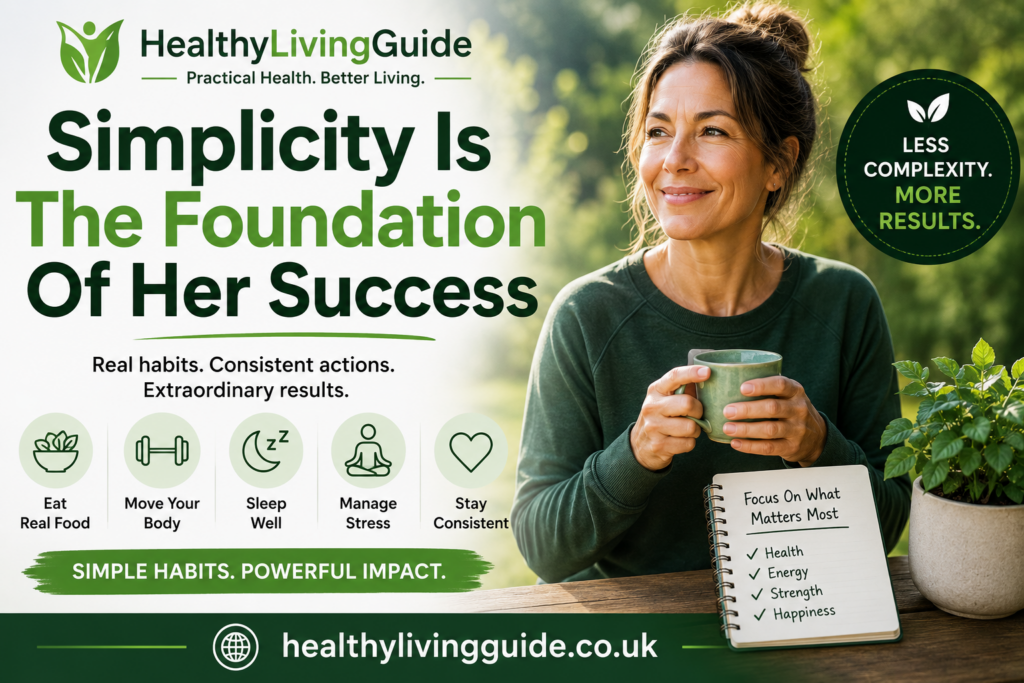
One of the most surprising aspects of Julie’s routine is its simplicity.
Many longevity enthusiasts spend enormous sums of money on:
- Specialized mattresses
- Hyperbaric oxygen chambers
- Cryotherapy sessions
- Advanced tracking devices
- Luxury supplements
- Experimental treatments
Julie takes a very different approach.
Her bedroom is refreshingly ordinary. She does not rely on expensive sleep technologies or transform her room into a laboratory. Instead, she focuses on consistency and basic healthy habits.
She describes herself as a reluctant biohacker because she does not obsess over every detail. This mindset may actually contribute to her success.
Many people become overwhelmed when trying to improve their health. They believe they need perfect routines, expensive gadgets, or complicated protocols.
Julie demonstrates that the opposite may be true.
By stripping away unnecessary complexity, she can concentrate on the habits that produce the biggest results:
- Eating real food
- Exercising regularly
- Sleeping adequately
- Managing stress
- Maintaining a positive outlook
This simplicity makes her routine sustainable.
After all, the best health plan is not the most sophisticated one. It is the one you can follow consistently for years.
Nutrition Focuses On Real Food Rather Than Perfection
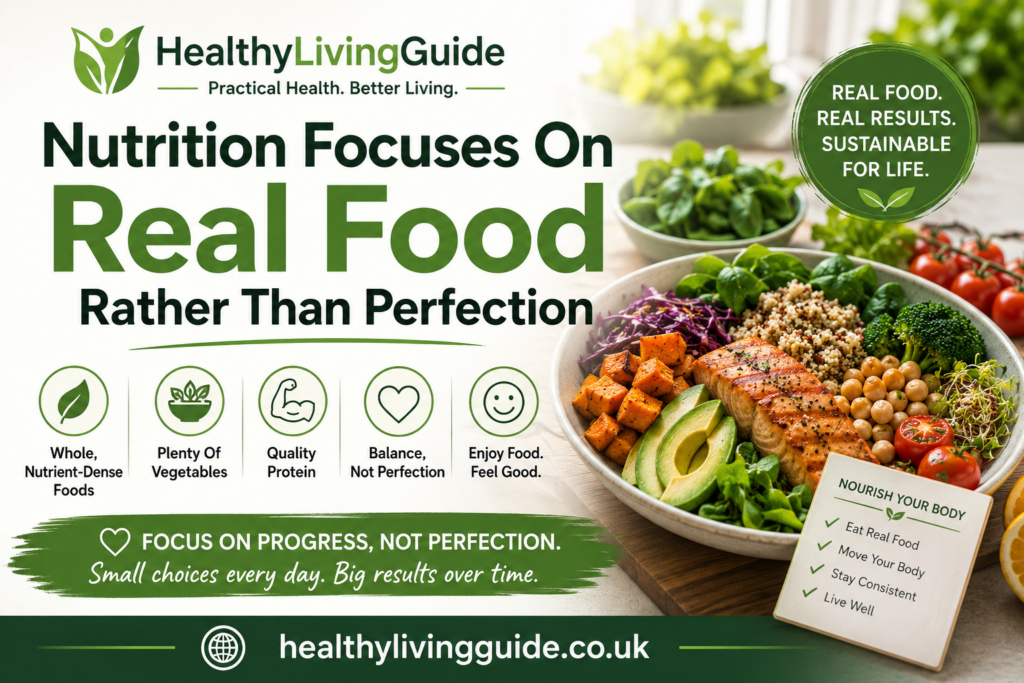
Julie places significant emphasis on nutrition, but not in the way many people might expect.
She avoids extreme dietary dogma and instead follows a simple principle:
Eat real food.
In a world full of conflicting nutritional advice, this approach is refreshing.
Rather than arguing endlessly about whether a person should follow:
- Keto
- Vegan
- Carnivore
- Paleo
- Mediterranean
Julie focuses on consuming whole, nutrient-dense foods.
Her day often begins with a green drink that contains ingredients such as:
- Fermented greens
- Moringa
- Collagen
- Lemon
- Beet products
She also consumes large amounts of vegetables throughout the day. In fact, one of her key nutritional targets is eating approximately one pound of vegetables daily, with half consisting of leafy greens.
Vegetables provide:
- Fibre
- Antioxidants
- Vitamins
- Minerals
- Plant compounds associated with healthy aging
Research consistently shows that people who consume more vegetables tend to have lower risks of many chronic diseases.
Another interesting aspect of Julie’s diet is that she does not obsessively count calories.
Instead, she tracks only two major factors:
- Vegetable intake
- Protein intake
This approach helps maintain nutritional quality without creating unnecessary stress around food.
Importantly, Julie genuinely enjoys what she eats. She believes food should remain pleasurable and satisfying.
Many diets fail because people feel deprived. Julie’s routine succeeds because it is enjoyable enough to maintain long term.
Strength Training And Movement Keep Her Body Young
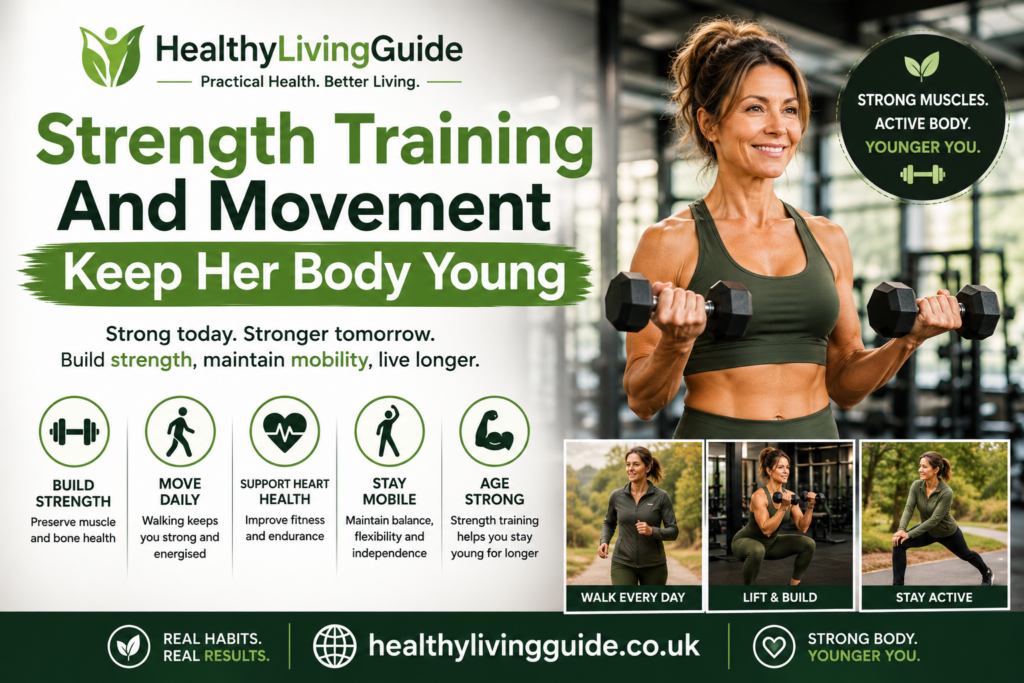
If there is one habit that stands out in Julie’s routine, it is regular exercise.
She performs some form of physical activity six days per week.
Her training includes:
- Resistance training
- Walking
- Cardio exercise
- Interval training
Strength training is particularly important.
As people age, muscle mass naturally declines. This process, known as sarcopenia, contributes to:
- Frailty
- Falls
- Reduced independence
- Slower metabolism
Julie actively fights this decline through weight training.
Her workouts include exercises such as:
- Split squats
- Resistance movements
- Lower body strengthening
- Functional training
She strongly believes that people of all ages should engage in some form of resistance training.
Muscle is increasingly recognised as one of the most important longevity organs in the body.
Benefits of maintaining muscle include:
- Improved blood sugar control
- Better mobility
- Stronger bones
- Enhanced balance
- Greater resilience against illness
Walking also plays a major role in her routine.
Unlike intense fitness trends that come and go, walking remains one of the safest and most effective forms of exercise available.
Regular walking supports:
- Heart health
- Weight management
- Mental wellbeing
- Blood circulation
- Stress reduction
The lesson is clear.
You do not need complicated workouts to improve your health. Consistent movement performed week after week can produce remarkable results.
Cardiovascular Fitness And Recovery Support Longevity
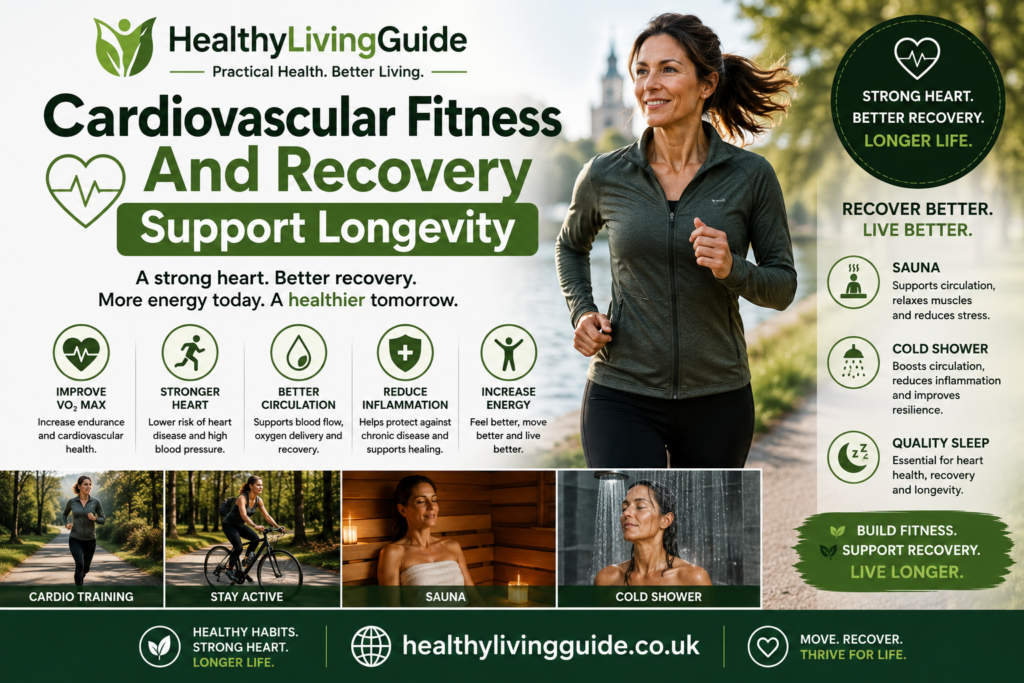
Julie also places strong emphasis on cardiovascular fitness.
One of the methods she uses is high intensity interval training designed to improve VO2 max.
VO2 max measures the body’s ability to use oxygen during exercise and is considered one of the strongest indicators of cardiovascular health.
Research has repeatedly shown that higher VO2 max levels are associated with:
- Lower mortality risk
- Better heart health
- Greater physical performance
- Improved endurance
- Increased lifespan
As people age, cardiovascular fitness often declines.
This is why many older adults become breathless while climbing stairs or performing simple daily activities.
Maintaining strong cardiovascular capacity helps preserve independence and vitality later in life.
Recovery is another major component of Julie’s routine.
Following workouts, she frequently uses:
- Sauna sessions
- Cold showers
While scientific research on these practices continues to evolve, many studies suggest potential benefits including:
- Stress reduction
- Improved circulation
- Enhanced recovery
- Better mood
- Increased resilience
Perhaps most importantly, these practices encourage relaxation and recovery after exercise.
Many people focus heavily on training while neglecting recovery.
Julie understands that the body grows stronger during recovery, not during the workout itself.
Stress Reduction May Be Her Most Powerful Longevity Tool
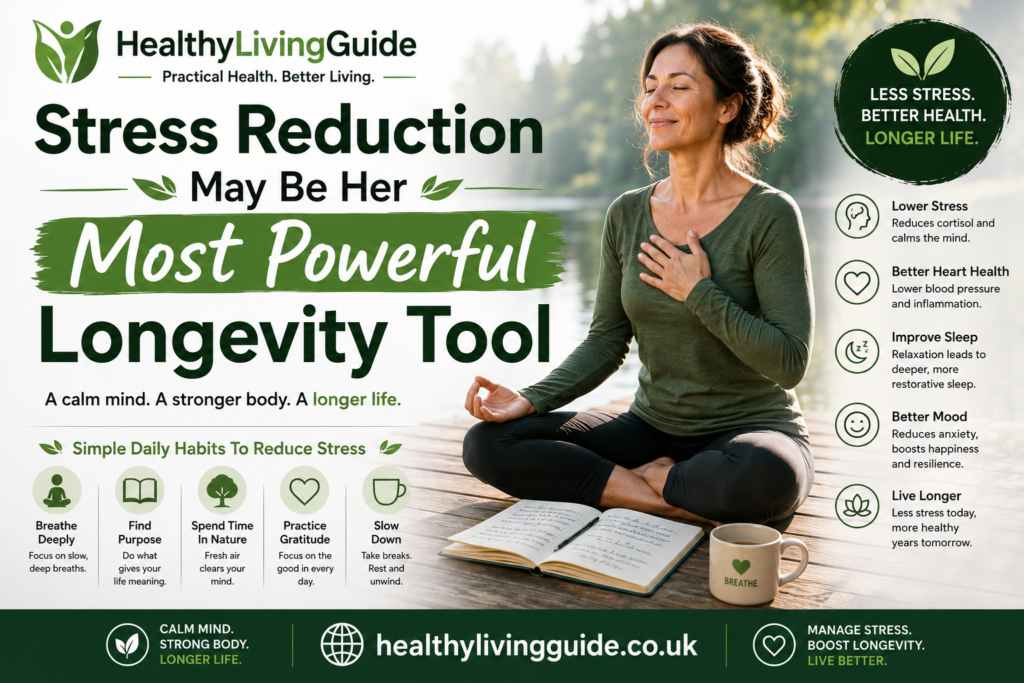
Perhaps the most important lesson from Julie’s story has nothing to do with food or exercise.
It relates to stress.
When asked what ages people the fastest, Julie’s answer is simple:
Worry.
Chronic stress affects nearly every system in the body.
Long term stress can contribute to:
- High blood pressure
- Inflammation
- Sleep disruption
- Weight gain
- Depression
- Anxiety
- Cardiovascular disease
Modern life often encourages constant worry.
People worry about:
- Money
- Careers
- Relationships
- Social media
- Future uncertainty
Julie believes perfectionism can be particularly harmful.
Many individuals attempt to optimise every aspect of their lives, creating even more stress in the process.
Instead, she embraces consistency over perfection.
This mindset appears throughout her routine.
She does not panic if everything is not ideal.
She allows herself flexibility.
She enjoys occasional treats.
She accepts that human beings are imperfect.
This perspective may be one of the most overlooked aspects of healthy aging.
Reducing chronic stress allows the body to devote more energy toward healing, recovery, and maintenance.
For many people, stress management may produce greater health benefits than the latest supplement or fitness trend.
Faith Purpose And Positive Habits Create Long Term Results
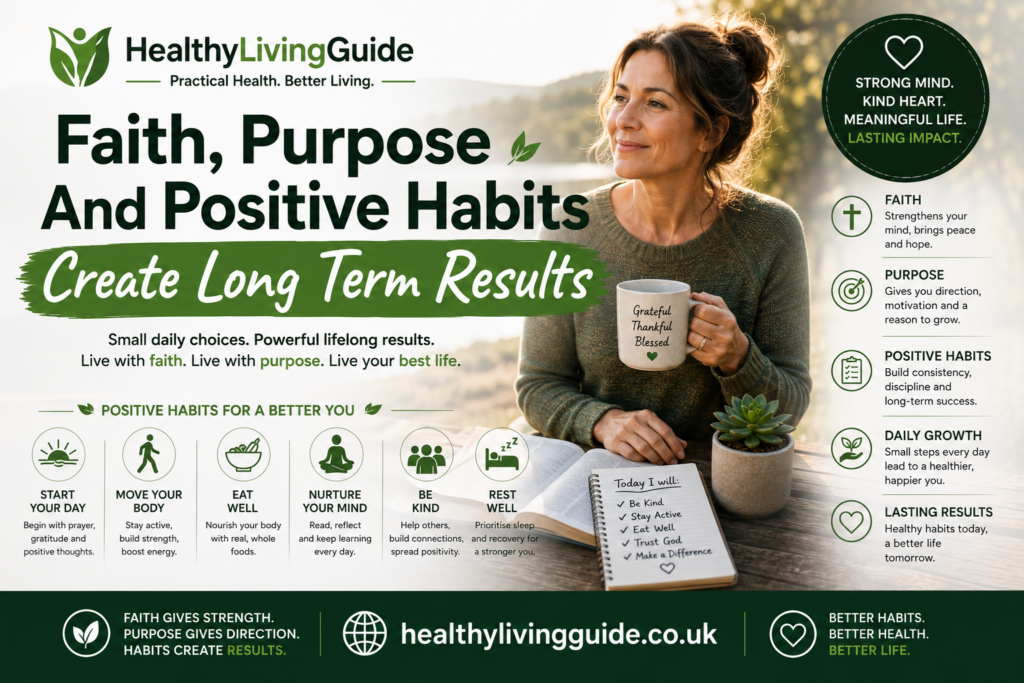
Another interesting aspect of Julie’s lifestyle is the role of purpose and spirituality.
Each morning she spends time reading the Bible and reflecting. She believes this practice contributes positively to her wellbeing and longevity.
Scientific research increasingly suggests that purpose and meaning may influence health outcomes.
People who possess a strong sense of purpose often experience:
- Lower stress levels
- Better mental health
- Greater resilience
- Improved lifestyle habits
- Increased life satisfaction
Purpose gives individuals a reason to care for themselves.
It provides motivation that goes beyond appearance or weight loss.
Julie’s daily routine also demonstrates the power of small habits.
She:
- Makes her bed
- Walks regularly
- Exercises consistently
- Eats vegetables daily
- Maintains a sleep schedule
- Practices gratitude
- Prioritises recovery
None of these habits seem revolutionary on their own.
However, when combined over years, they create a powerful cumulative effect.
Healthy aging rarely results from one dramatic intervention.
It usually emerges from thousands of small positive decisions repeated consistently.
This principle offers hope because it means anyone can begin improving their health today.
You do not need perfect genetics.
You do not need expensive equipment.
You do not need access to elite longevity clinics.
You simply need a willingness to take small positive actions repeatedly.
The Biggest Lessons From Julie Clark’s Longevity Journey
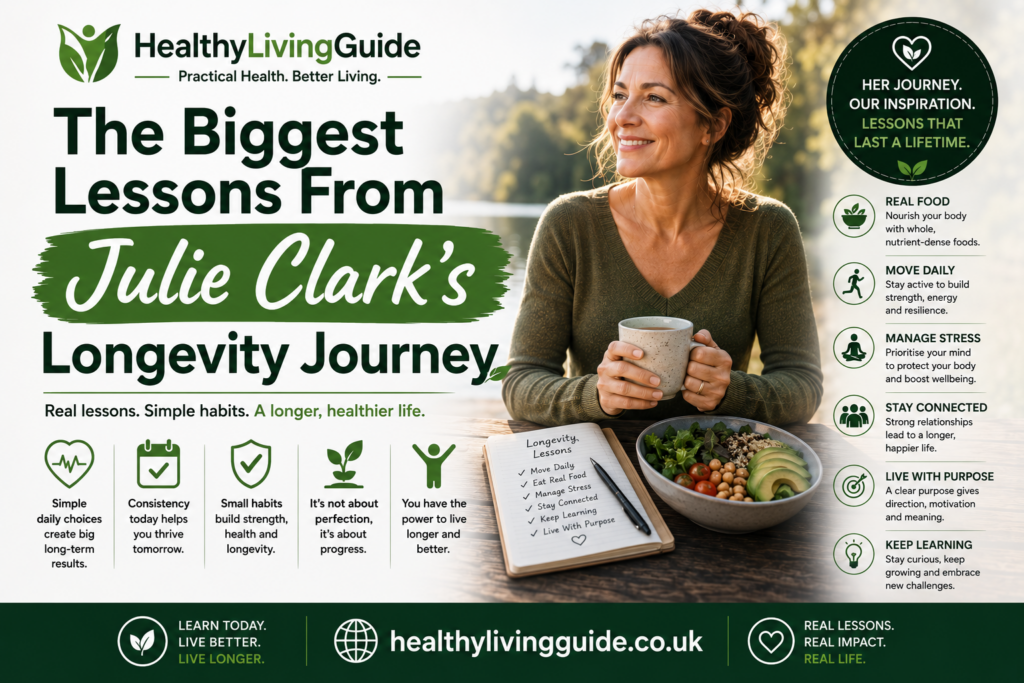
Julie Clark’s story challenges many assumptions about aging.
Her reported biological age of 36 despite being 56 years old demonstrates what may be possible through disciplined lifestyle choices.
What makes her journey especially inspiring is its accessibility.
Her approach does not depend on:
- Wealth
- Celebrity status
- Advanced technology
- Experimental treatments
Instead, she focuses on timeless principles:
- Eat real food
- Consume plenty of vegetables
- Get enough protein
- Exercise consistently
- Build muscle
- Improve cardiovascular fitness
- Manage stress
- Sleep well
- Find purpose
- Stay consistent
Perhaps her most important lesson is that longevity does not require perfection.
Many people delay improving their health because they believe they need the perfect plan.
Julie shows that progress matters far more than perfection.
A short daily walk is better than no exercise.
A healthy meal is better than a perfect meal plan that never gets followed.
A consistent routine beats an extreme one every time.
The pursuit of longevity is ultimately about creating a life that supports health, energy, and happiness for decades to come.
Julie Clark’s example reminds us that the path to a younger biological age may not be found in expensive gadgets or miracle treatments. It may simply be found in the daily habits we choose to practice consistently.
And perhaps that is the most encouraging lesson of all.
Disclaimer
The information provided in this article is for educational and informational purposes only. While every effort has been made to ensure accuracy, the content is not intended to replace professional medical, nutritional, fitness, or healthcare advice.
The views and concepts discussed are based on publicly available information, scientific research, expert opinions, and interpretations of the topics covered. Individual health needs, dietary requirements, and fitness goals vary from person to person, and results may differ.
Before making significant changes to your diet, exercise routine, supplementation, or lifestyle habits, you should consult with a qualified healthcare professional, registered dietitian, physician, or other appropriate medical expert.
The author and publisher assume no responsibility for any loss, injury, or damage resulting from the use of information contained in this article. Readers are encouraged to conduct their own research and make informed decisions based on their individual circumstances.
By reading this article, you acknowledge that any actions you take based on the information provided are done at your own discretion and risk.ented in this article.