
Healthy eating can feel far more complicated than it needs to be. One person tells you to cut carbs completely. Another says you need expensive protein bars, meal replacement shakes, low-fat snacks, special powders, detox teas or a fridge full of ingredients you have never used before. Then you walk into the supermarket, look at the shelves, and suddenly weight loss feels like a full-time job.
The truth is much simpler. You do not need 50 different foods to start eating better. You do not need a brand-new diet every Monday. You do not need to spend your whole wage in Holland & Barrett, Waitrose or Amazon UK just to feel like you are doing something healthy.
For most people, fat loss becomes easier when meals are built around a few reliable staples: quality protein, fibre-rich plants, healthy fats, and foods that help you feel satisfied for longer. This does not mean there is one magic shopping list that works for every body. It also does not mean you can eat unlimited calories and still lose weight. Weight loss still depends on creating a sustainable energy deficit over time. But the right foods can make that deficit much easier to live with because they reduce hunger, support muscle, improve meal quality and help you avoid the blood sugar rollercoaster that often leads to snacking.
In the UK, official healthy eating advice still encourages a balanced diet that includes fruit and vegetables, higher-fibre foods, protein sources such as beans, fish, eggs and meat, dairy or alternatives, and small amounts of unsaturated oils. The NHS Eatwell Guide also recommends at least five portions of fruit and vegetables daily and two portions of fish per week, one of which should be oily fish such as salmon, sardines or mackerel.
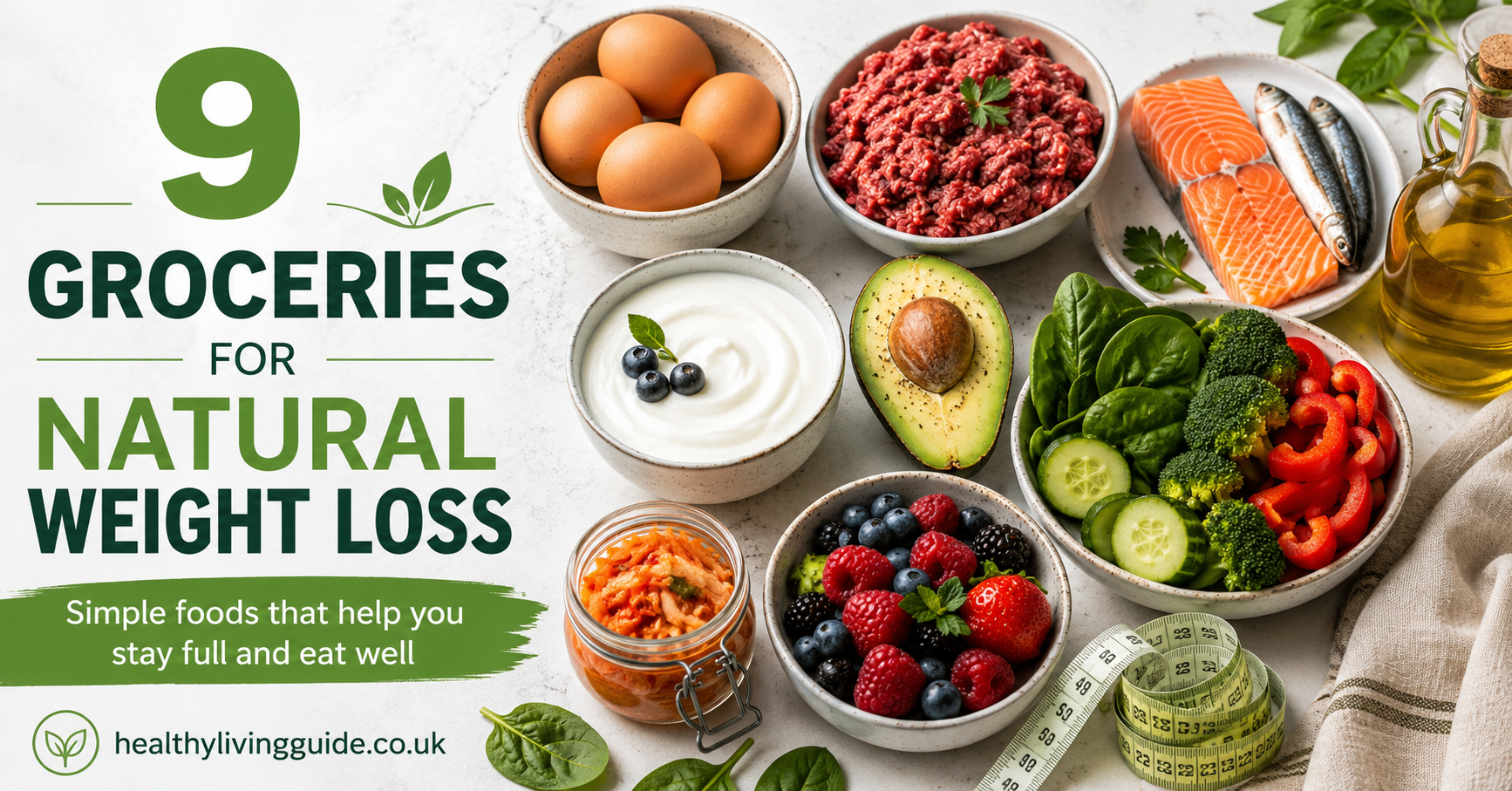
This article focuses on nine simple groceries that can help you build better meals without overthinking: eggs, beef, oily fish, plain Greek yoghurt, avocado, non-starchy vegetables, fermented foods, berries and extra virgin olive oil. They are not magic. They are not a crash diet. They are simply useful staples that make healthy eating feel more repeatable, satisfying and realistic.
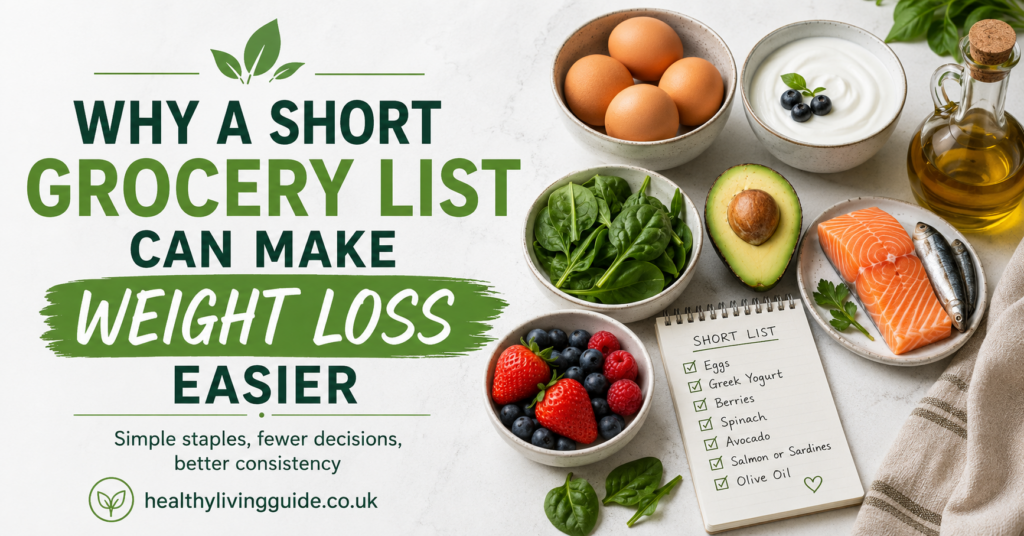
Why A Short Grocery List Can Make Weight Loss Easier
One of the biggest reasons people give up on healthy eating is decision fatigue. They start with good intentions, save complicated recipes, buy unusual ingredients, and promise themselves they will cook from scratch every day. Then real life happens. Work runs late. The kids need something. You get home tired. Suddenly the easiest option becomes toast, biscuits, takeaway, crisps or whatever is already open in the cupboard.
A short grocery list solves part of that problem. When you know your staple foods, you do not have to reinvent your diet every day. You can repeat meals, swap ingredients around and still stay on track. This is not boring; it is efficient. Most people who stay lean and healthy long term do not eat a completely different menu every single day. They usually have a few reliable breakfasts, a few reliable lunches, a few reliable dinners and a few snacks that work for them.
The nine foods in this guide work because they help solve the most common problems that make weight loss difficult. Protein foods such as eggs, beef, oily fish and Greek yoghurt help meals feel more filling and help support muscle. Fibre-rich foods such as vegetables and berries add volume to the plate without adding lots of calories. Healthy fats such as avocado and olive oil make meals more satisfying, although portion control still matters because fats are calorie-dense. Fermented foods such as live yoghurt, kefir, sauerkraut and kimchi may support gut health, although the evidence is still developing and they should be introduced gradually.
This is important because many diets fail not because the person is lazy, but because the diet is hard to live with. If breakfast leaves you hungry two hours later, you will naturally look for more food. If lunch is too low in protein, you may snack all afternoon. If dinner is tiny and unsatisfying, you may raid the cupboards at night. Your body is not broken; it is responding to the signals you are giving it.
Food also affects satiety hormones, digestion and blood sugar. GLP-1 is one of the gut hormones involved in appetite and blood glucose regulation. Research suggests that dietary composition, including protein, fat and fermentable carbohydrates, can influence the body’s natural GLP-1 response, although food does not work in the same way or with the same strength as GLP-1 medications.
That is why the goal is not to starve yourself. The goal is to build meals that tell your body, “I have been fed properly.” When you do that consistently, it becomes easier to eat less without feeling punished.
Eggs, Beef And Oily Fish Give Your Body The Protein Foundation
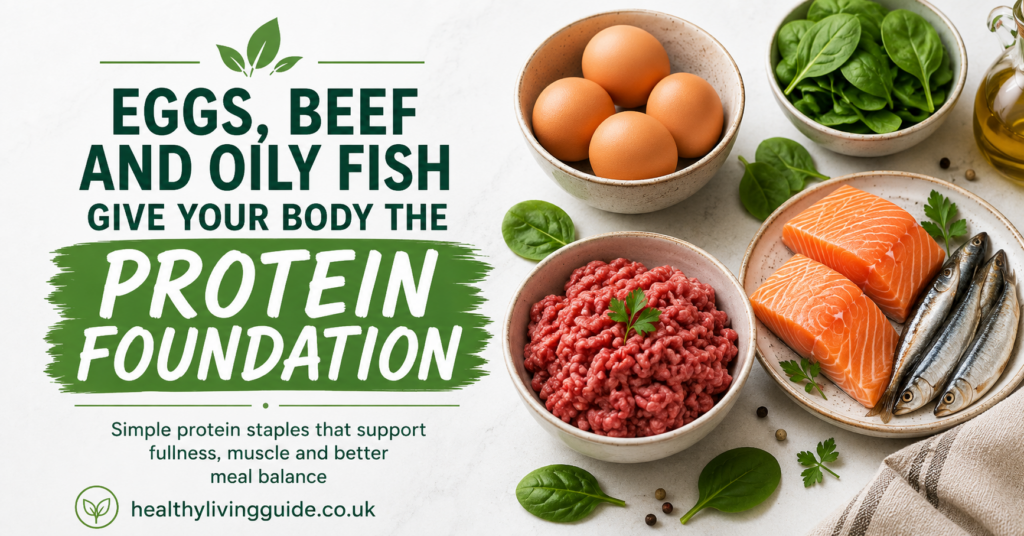
The first three groceries are protein staples: eggs, beef and oily fish. Protein matters because it helps repair and maintain body tissues, supports immune function, contributes to muscle maintenance and generally makes meals more satisfying. The British Dietetic Association notes that meat, poultry, fish, eggs and dairy are rich sources of protein, zinc and B vitamins, while meat and fish also provide haem iron, which is easier for the body to absorb than non-haem iron from plant foods.
Eggs are one of the easiest foods to build into a weight-loss routine. They are quick, affordable and versatile. You can boil them, scramble them, poach them, make an omelette or add them to a salad. Whole eggs also provide nutrients found in the yolk, including choline and fat-soluble vitamins. For most adults, eggs can be part of a healthy balanced diet. The British Heart Foundation states that for most adults, one or two eggs per day is unlikely to be a problem as part of a balanced diet, although people with familial hypercholesterolaemia or very high cholesterol should check with a GP or dietitian.
A practical breakfast could be two eggs with spinach, mushrooms and tomatoes. This gives you protein, fibre, micronutrients and volume without needing bread, pastries or sugary cereal. That does not mean carbohydrates are bad, but many people find that a protein-first breakfast keeps them fuller for longer than a sweet breakfast.
Beef can also be useful, especially if you choose leaner cuts or lean mince. Beef provides protein, iron, zinc and vitamin B12. However, this is where balance matters. Some online weight-loss advice makes red meat sound completely risk-free, while other advice makes it sound like poison. The sensible middle ground is to choose lean, minimally processed red meat in moderate amounts and avoid making processed meats such as bacon, sausages and ham an everyday habit. The NHS Eatwell Guide recommends choosing lean cuts and eating less red and processed meat.
In the UK, 5% fat beef mince can be a useful weeknight staple. You can turn it into lettuce-wrap tacos, a beef and vegetable skillet, chilli with extra vegetables, meatballs with salad, or a simple mince bowl with cauliflower rice and avocado. The key is not just eating beef on its own, but using it as the protein anchor in a balanced meal.
Oily fish is the third protein staple. Salmon, sardines and mackerel are especially useful because they provide protein and omega-3 fats. NHS guidance recommends two portions of fish per week, including one portion of oily fish.
For many people, salmon can be expensive, so sardines and mackerel are excellent alternatives. Tinned sardines in olive oil or spring water are affordable, shelf-stable and easy to keep in the cupboard. Mackerel fillets can be added to salad, eggs, roasted vegetables or a quick lunch plate. If you do not like fish, you may need other omega-3 sources or professional advice, but for many households, oily fish is one of the most valuable foods to add back into the weekly shop.
Greek Yoghurt, Avocado And Olive Oil Make Healthy Meals More Satisfying
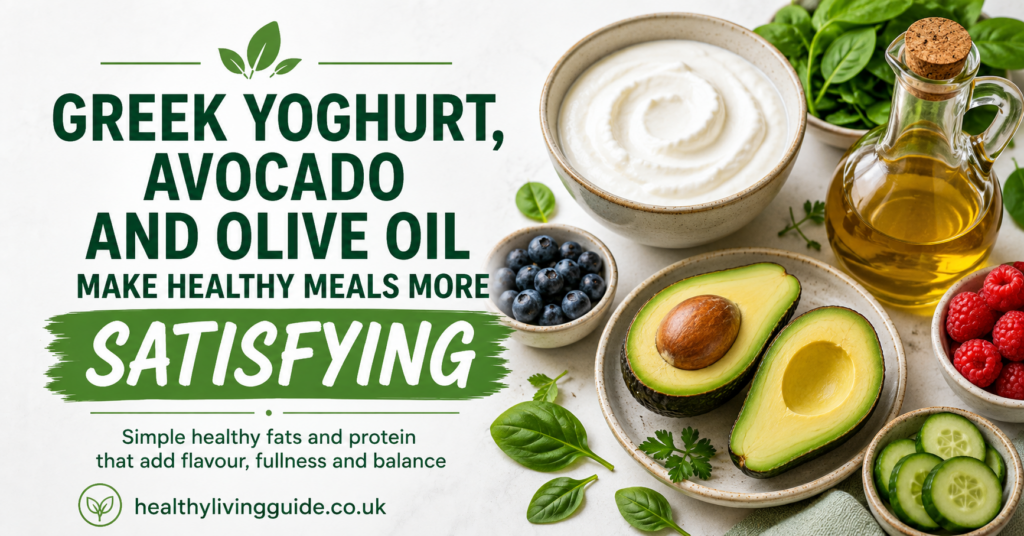
The next three groceries help with fullness, texture and flavour: plain Greek yoghurt, avocado and extra virgin olive oil. These foods are useful because one of the biggest mistakes in dieting is making meals too dry, too plain and too low in everything. When food feels miserable, people rarely stick to it.
Plain Greek yoghurt is a strong weight-loss staple because it provides protein and can be used in many ways. The important word is plain. Many flavoured yoghurts are marketed as healthy but contain a lot of added sugar. A better choice is plain Greek yoghurt or Greek-style yoghurt with no added sugar. You can add your own berries, cinnamon, a few seeds or a small drizzle of honey when needed.
Greek yoghurt works well as breakfast, a snack, a dessert replacement or even a savoury sauce. Mix it with lemon juice, garlic, cucumber and herbs to make a quick tzatziki-style dip. Add it to berries for a high-protein sweet snack. Use it instead of mayonnaise in tuna or egg salad. It is simple, affordable and easy to keep in the fridge.
Avocado is useful because it provides healthy unsaturated fat, fibre and potassium. It can make meals feel more complete, especially when paired with eggs, salad, fish or lean meat. However, avocado is not a “free food.” It is calorie-dense, so portion control matters. For most people, a quarter to half an avocado is enough for one meal.
This is where many people go wrong with healthy fats. They hear that avocado, nuts, seeds and olive oil are healthy, then eat them in large amounts and wonder why weight loss has stalled. Healthy fats still contain calories. The aim is not to remove them completely, but to use them with intention.
Extra virgin olive oil is another useful staple, especially for salads, dressings and finishing cooked vegetables. The British Heart Foundation explains that unsaturated oils such as olive, rapeseed and sunflower oil are better everyday choices than saturated fats such as butter, coconut oil and palm oil.
A simple dressing made from extra virgin olive oil, lemon juice or apple cider vinegar, black pepper and herbs can make vegetables much easier to eat. You can drizzle a measured teaspoon or tablespoon over salad, roasted vegetables or fish. Measuring matters because oil is easy to overpour. NHS Better Health specifically advises measuring fats and oils when cooking to help manage portions.
For higher-heat cooking, many people prefer rapeseed oil or avocado oil, while extra virgin olive oil is often best used for dressings, low-to-medium cooking or finishing meals. The bigger point is to move away from deep-fried foods, processed snacks and hidden fats in ultra-processed products, and bring your kitchen back to simple ingredients you control.
Vegetables, Berries And Fermented Foods Support Fibre, Gut Health And Cravings
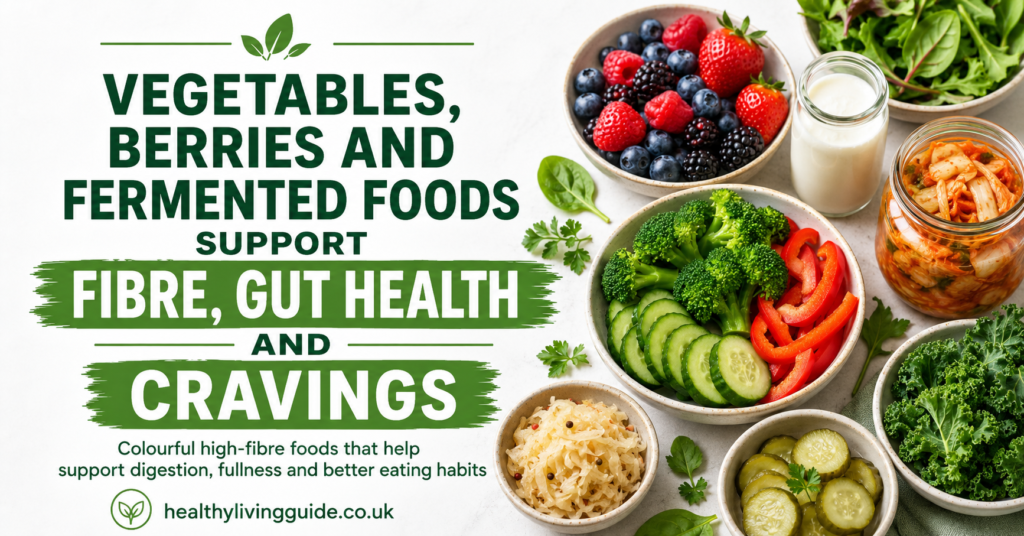
The final three groceries are non-starchy vegetables, berries and fermented foods. These are the foods that help add colour, fibre, freshness and volume to your meals. They are not just there to make the plate look healthy. They play a real role in appetite, digestion and long-term health.
Non-starchy vegetables include spinach, rocket, kale, broccoli, cauliflower, courgette, mushrooms, cucumber, peppers, asparagus, cabbage, lettuce, tomatoes and green beans. These foods are useful because they add volume without a huge calorie load. You can eat a large plate of vegetables and feel like you have had a proper meal.
The NHS recommends at least five portions of a variety of fruit and vegetables per day, and fruit and vegetables should make up just over a third of what we eat each day.
Fibre is one of the most underrated parts of weight loss. It supports digestion, helps meals feel more filling and feeds beneficial gut bacteria. The British Nutrition Foundation explains that fibre is found in plant foods such as wholegrains, pulses, fruit, vegetables, nuts and seeds, and that different types of fibre affect digestion, cholesterol and the gut microbiome in different ways.
Berries are a simple fruit choice for people trying to lose weight because they are sweet, colourful and naturally high in fibre and polyphenols. Strawberries, blueberries, raspberries and blackberries can be eaten fresh or frozen. Frozen berries are often cheaper and last longer, making them ideal for UK households trying to eat well on a budget.
A small bowl of Greek yoghurt with frozen berries is much better than reaching for biscuits or ice cream every night. It gives you sweetness, protein and fibre in the same bowl. The key is portion and pairing. Eating berries with protein or healthy fat is usually more satisfying than eating them alone.
Fermented foods include live yoghurt, kefir, sauerkraut, kimchi, miso and fermented pickles. These foods are popular because of their potential gut health benefits. NHS guidance explains that probiotics are live bacteria and yeasts promoted for health benefits and are thought to help restore the natural balance of gut bacteria when disrupted by illness or treatment.
However, it is important not to exaggerate. The British Dietetic Association says fermented foods provide flavour and early evidence suggests they can support the microbiome, but more research is needed before giving in-depth guidance to patients.
That means fermented foods can be a useful addition, not a miracle cure. Start small. A tablespoon of sauerkraut with eggs, a small glass of kefir, or a spoonful of kimchi with a meal is enough to begin. If you have IBS, bloating, histamine intolerance or digestive conditions, introduce them carefully and get professional advice where needed.
How To Turn The 9 Groceries Into Simple Fat-Loss Meals
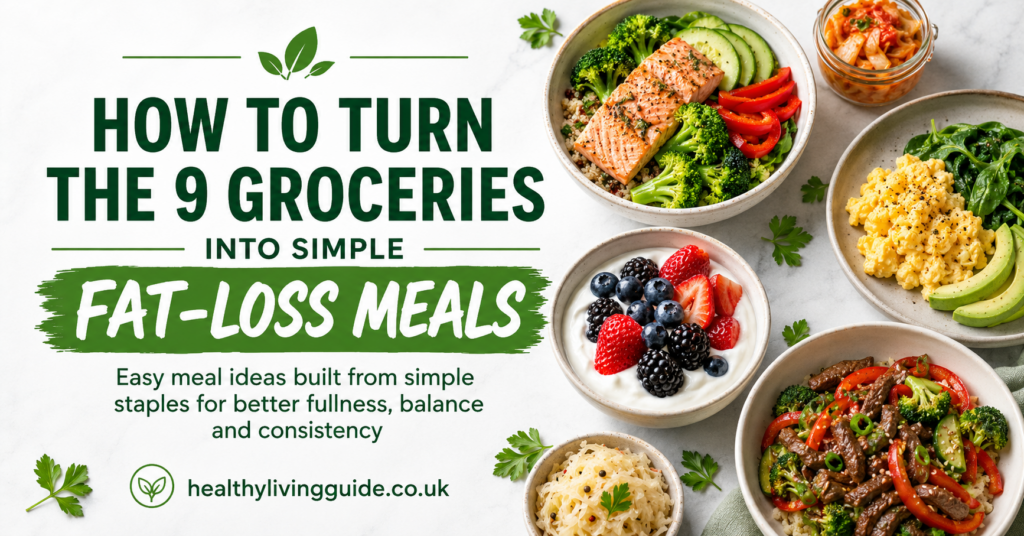
Having healthy groceries is one thing. Knowing how to turn them into meals is another. The easiest formula is simple: choose one protein, add vegetables, include a measured healthy fat, then add a small portion of fruit, yoghurt or fermented food depending on the meal.
For breakfast, you could have eggs with spinach and mushrooms, finished with a little avocado. This gives you protein, fibre and healthy fat. Another option is plain Greek yoghurt with berries and a sprinkle of seeds. This works well for people who prefer something quick before work.
For lunch, you could make a salmon salad with mixed leaves, cucumber, peppers, tomatoes, olive oil and lemon dressing. You could also make sardines on a large salad with avocado on the side. Another option is lean beef mince cooked with courgette, mushrooms and peppers, served in lettuce cups or over cauliflower rice.
For dinner, you could make a beef and vegetable skillet with broccoli, mushrooms and cabbage. You could have grilled mackerel with roasted vegetables and a yoghurt-based sauce. You could make an omelette with leftover vegetables and a side salad. These meals are not fancy, but they work because they are repeatable.
Repeatability is the secret. A diet that looks exciting on day one but impossible by day five is not a good diet. A simple meal you can make after a 12-hour shift is far more valuable than a complicated recipe you only cook once.
The nine foods also help you avoid the trap of ultra-processed “diet” products. A protein bar may be useful occasionally, but it should not become the foundation of your diet. A low-calorie biscuit is still a biscuit. A meal replacement shake may fit certain medical or structured weight-loss plans, but most people benefit from learning how to build real meals from real food.
This does not mean every meal must be perfect. It means your default meals should be strong enough that occasional treats do not ruin your progress. If Monday to Friday is built around eggs, fish, lean meat, yoghurt, vegetables, berries and olive oil, then one social meal at the weekend is less likely to derail you.
A simple shopping basket might look like this: a dozen eggs, lean beef mince, tinned sardines, salmon or mackerel, plain Greek yoghurt, avocados, spinach, broccoli, mushrooms, peppers, cucumber, sauerkraut or kefir, frozen berries and extra virgin olive oil. From that basket alone, you can create several breakfasts, lunches and dinners.
What To Watch Out For When Using These Foods For Weight Loss
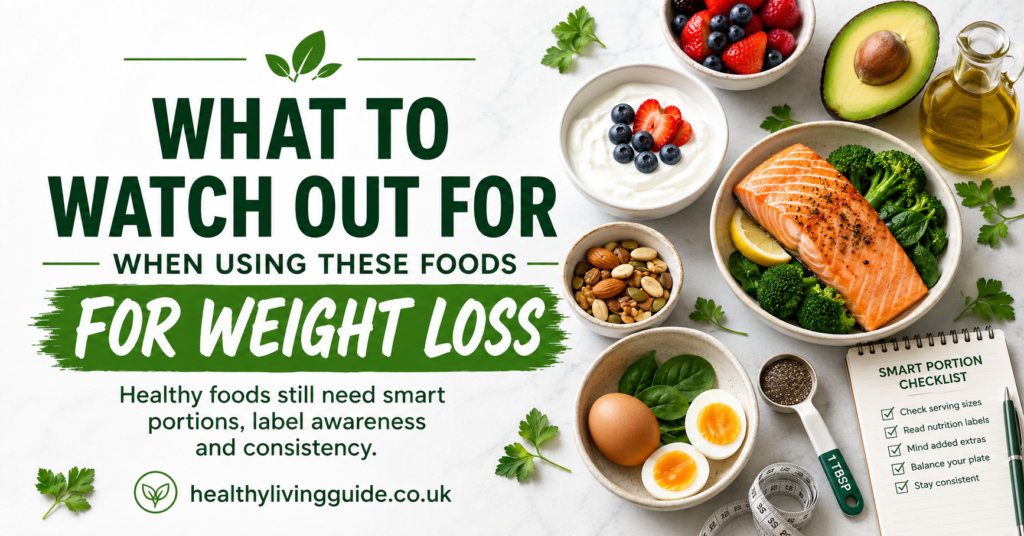
Although these nine groceries are healthy and useful, there are still mistakes to avoid. The first mistake is thinking “healthy” means unlimited. Olive oil, avocado, full-fat yoghurt and beef can all fit into a fat-loss diet, but portions still matter. If you pour oil freely, eat a whole avocado every day and snack on large bowls of yoghurt, the calories can add up quickly.
The second mistake is ignoring your individual health needs. If you have high cholesterol, heart disease or a strong family history of cardiovascular problems, you may need to be more careful with saturated fat, red meat and full-fat dairy. NHS advice for lowering cholesterol includes cutting down on fatty foods, especially foods high in saturated fat, while choosing healthier unsaturated fats.
The third mistake is treating red meat as the main protein every day. Beef can be useful, but variety is better. Rotate between eggs, fish, chicken, turkey, beans, lentils, tofu, yoghurt and lean meat. The NHS Eatwell Guide specifically encourages people to eat more fish, beans and pulses while reducing high intakes of red and processed meat.
The fourth mistake is buying the wrong versions of these foods. Flavoured yoghurt can be high in sugar. Tinned fish can be very salty. Fermented foods can be pasteurised, meaning they may not contain live cultures. Olive oil can be overused. Beef can be very high in fat if you choose the wrong mince. Avocado can be healthy but still calorie-dense. The details matter.
The fifth mistake is expecting these foods to work without lifestyle support. Food is powerful, but sleep, stress, movement and consistency all matter. If you sleep badly, work long shifts, drink too little water and move very little, weight loss can feel harder. A better grocery list helps, but it is not the whole picture.
The sixth mistake is going too low in carbohydrates without thinking. Some people feel good on lower-carb meals, while others feel tired, irritable or unable to train. Higher-fibre carbohydrates such as oats, potatoes with skin, beans, lentils and wholegrains can also be part of a healthy weight-loss diet. This article focuses on nine staples, but it does not mean these are the only foods you are allowed to eat.
The final mistake is trying to be perfect. You do not need perfect eating. You need a reliable structure. If you can build most meals around protein, vegetables, fibre and measured healthy fats, you are already doing better than most people stuck in the cycle of snacking, grazing and starting again every Monday.
A Simple 7-Day Way To Use These Groceries In Real Life
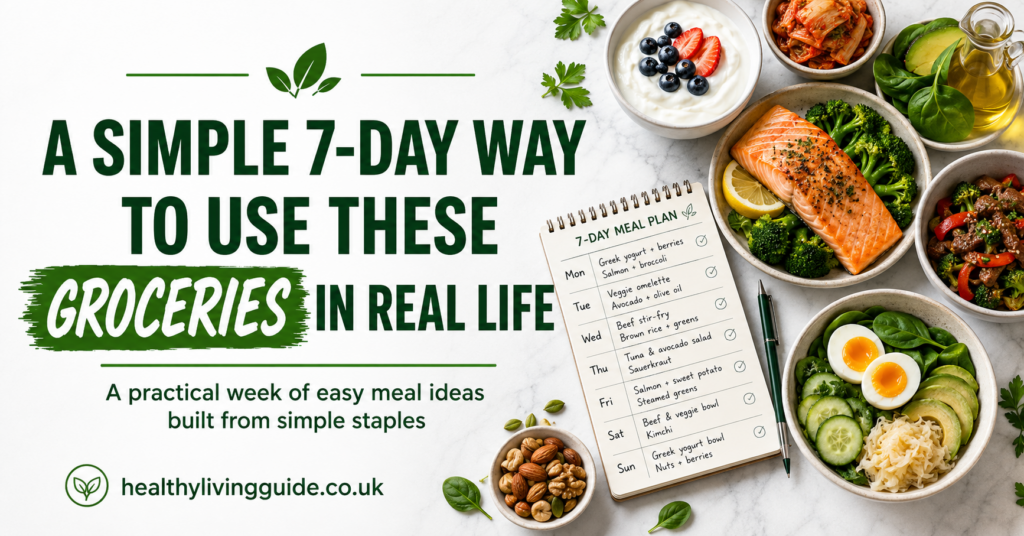
You do not need a strict meal plan, but it helps to see how these foods can work across a normal week. The aim is not to copy every meal exactly. The aim is to understand the pattern.
On Monday, you might start with scrambled eggs, mushrooms and spinach. Lunch could be Greek yoghurt with berries if you are busy, followed by a proper dinner of lean beef mince with peppers, broccoli and a small amount of olive oil. Add a tablespoon of sauerkraut on the side if you tolerate it.
On Tuesday, breakfast could be Greek yoghurt with berries. Lunch could be a sardine salad with cucumber, rocket, tomatoes and olive oil dressing. Dinner could be an omelette with leftover vegetables and a few avocado slices.
On Wednesday, breakfast could be boiled eggs with avocado and tomatoes. Lunch could be mackerel with salad. Dinner could be beef lettuce wraps with mushrooms, peppers and a yoghurt-based sauce.
On Thursday, you could repeat Monday’s breakfast. Repetition is not failure; it is a strategy. Lunch could be leftover beef and vegetables. Dinner could be salmon with roasted courgette, broccoli and a spoonful of Greek yoghurt mixed with lemon and herbs.
On Friday, breakfast could be Greek yoghurt with berries again. Lunch could be eggs and salad. Dinner could be lean beef mince cooked into a simple chilli-style bowl with extra vegetables and avocado.
On Saturday, you might have a larger brunch of eggs, mushrooms, spinach and smoked mackerel. Dinner could be fish with vegetables and olive oil dressing. If you go out to eat, focus on protein and vegetables first, then enjoy the meal without turning it into a full weekend binge.
On Sunday, use what is left. Make an omelette. Cook extra mince. Wash and chop vegetables. Portion berries. Boil eggs. Prepare a yoghurt dip. The more you prepare on Sunday, the less willpower you need during the week.
This approach works because it reduces friction. You are not asking yourself, “What diet am I on?” every morning. You already know the basics. Eggs are there. Yoghurt is there. Vegetables are there. Fish is there. Beef is there. Berries are in the freezer. Olive oil is in the cupboard. Healthy eating becomes the easier option because the ingredients are already available.
That is the real power of a short grocery list. It removes chaos. It gives you structure. It helps you stop depending on motivation and start depending on systems.
The Real Takeaway: Weight Loss Is About Better Signals, Not Punishment
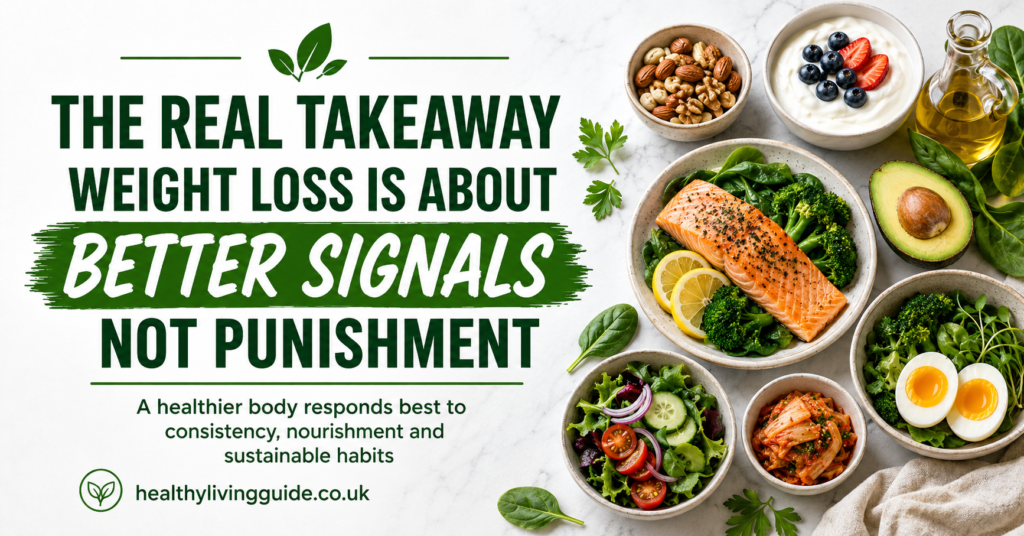
The reason these nine groceries are useful is not because they are magical. They are useful because they help you send better signals to your body. Protein tells your body it has the building blocks it needs. Fibre tells your digestive system there is real food coming in. Healthy fats help meals feel complete. Fermented foods may support gut health. Berries give sweetness without turning every snack into a sugar crash. Vegetables add volume, colour and nutrients.
When you eat this way consistently, weight loss often feels less like punishment and more like organisation. You are not trying to survive on tiny portions of bland food. You are building meals that satisfy you. That matters because hunger is one of the biggest reasons people quit.
Still, it is important to stay realistic. No grocery list can guarantee rapid weight loss. A safe and sustainable approach usually means losing weight gradually, protecting muscle, building better habits and creating a way of eating you can continue. The NHS Better Health programme also emphasises balanced eating, portion awareness and practical changes rather than extreme dieting.
So instead of asking, “What is the fastest diet?” ask a better question: “What foods make it easier for me to eat well every day?”
For many people, the answer starts with these nine groceries: eggs, beef, oily fish, plain Greek yoghurt, avocado, non-starchy vegetables, fermented foods, berries and extra virgin olive oil.
Keep them in the house. Build simple meals around them. Repeat what works. Adjust portions based on your progress. Add other healthy foods when needed. Stay flexible. Stay patient.
Weight loss does not have to be complicated to be effective. Sometimes the most powerful change is not adding more rules. Sometimes it is removing the noise, simplifying the shopping list and giving your body real food often enough that it finally stops fighting you.
Disclaimer
This article is for general information only and is not personal medical advice. Speak to your GP, dietitian or healthcare professional before making major diet changes, especially if you have diabetes, kidney disease, high cholesterol, heart disease, digestive conditions, a history of eating disorders, are pregnant, or are taking weight-loss medication.