
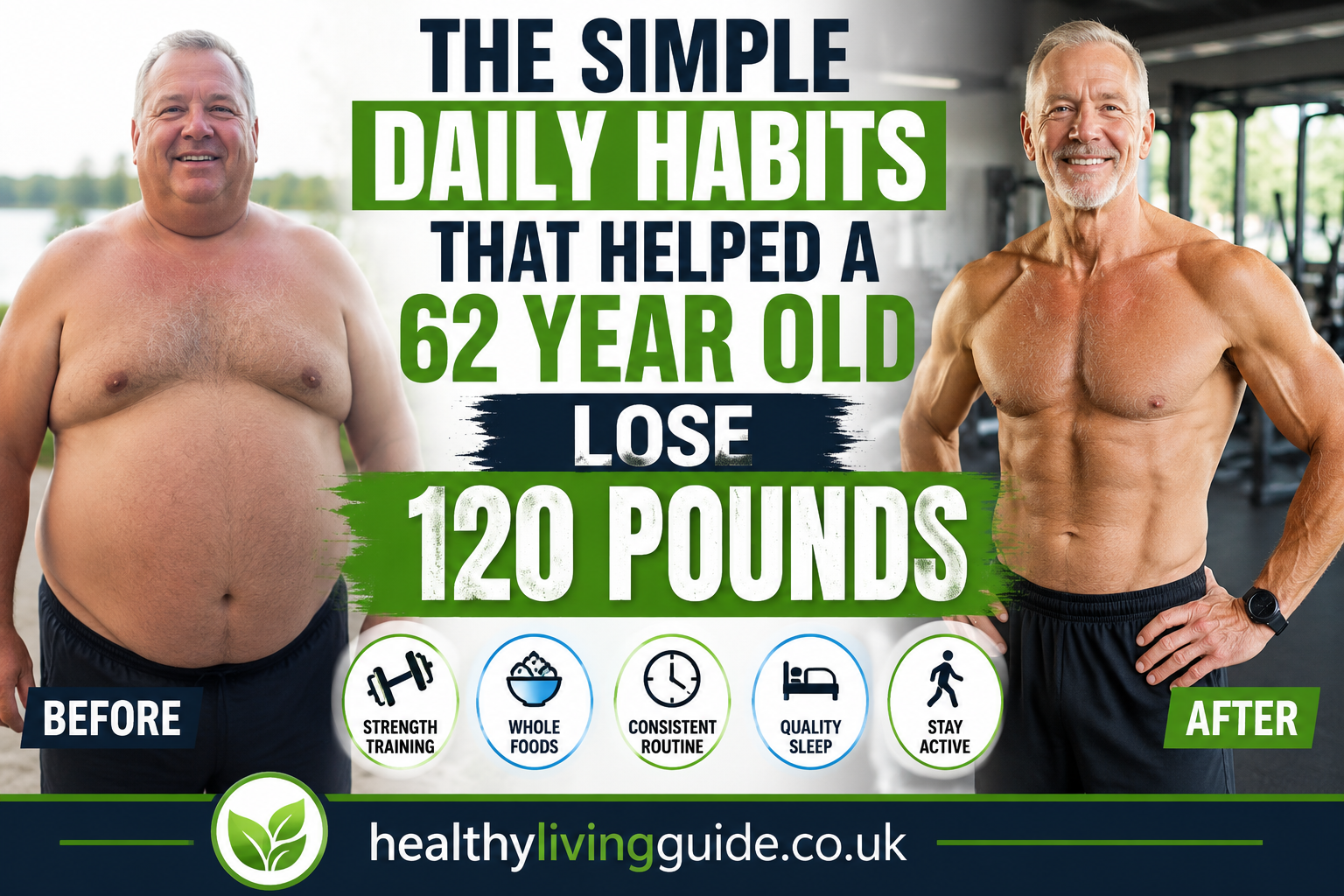
At 62 years old, many people believe their best physical years are behind them. They assume weight gain is inevitable, muscle loss is unavoidable, and fitness is something reserved for younger generations.
TJ Cattell proves otherwise.
After reaching nearly 300 pounds, struggling with obesity, stress eating, and declining health, he made a decision that changed everything. Over the following years, he lost more than 120 pounds, built an impressive physique, and became stronger than he had ever been in his life.
What makes his story remarkable is not that he discovered some revolutionary diet or miracle supplement. Instead, his transformation was built on simple daily habits repeated consistently over many years.
His journey offers powerful lessons for anyone who feels trapped by their weight, overwhelmed by poor health, or convinced it is too late to change.
The reality is that transformation is possible at any age.
Here is exactly how one man went from obese to shredded at 62.
The Moment He Realised Something Had To Change
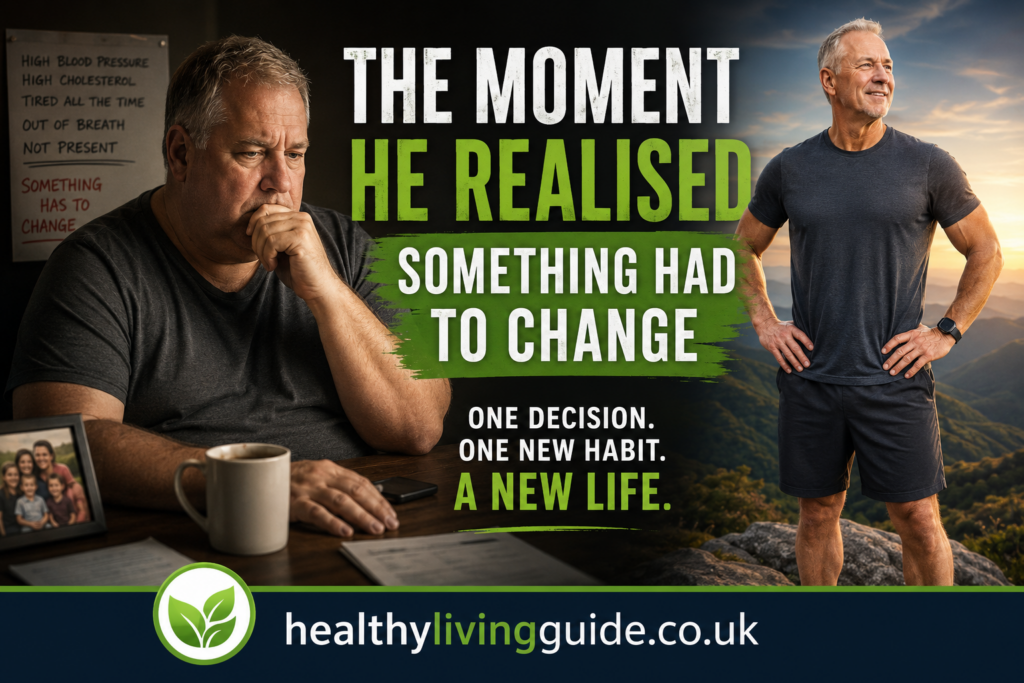
TJ’s story did not begin in a gym.
It began with years of neglecting his own health while focusing on work and family.
As an insurance adjuster, he spent long hours completing paperwork and managing responsibilities. He often worked late into the night and developed habits that slowly damaged his health.
Food became his companion.
He ate while working.
He ate while driving.
He ate when stressed.
He ate to stay awake.
Over time, these small daily habits accumulated. He gained approximately one pound every month for nearly a decade.
At first, the weight gain seemed insignificant.
A pound here.
A pound there.
Nothing dramatic.
But after ten years, those pounds had accumulated into a major health problem.
By his mid-forties, TJ weighed close to 300 pounds.
His energy levels were low.
His mobility was limited.
Simple physical activities became difficult.
Most importantly, he realised his health was preventing him from fully participating in life with his children.
Then came the wake-up call.
During a routine doctor’s appointment, he was informed that if he did not make changes, medication would soon become necessary to manage his health.
That conversation forced him to confront reality.
He did not want to spend his later years sitting in front of a television while life passed him by.
He wanted to hike mountains with his family.
He wanted to travel.
He wanted to be present.
Most importantly, he wanted to live.
That single moment became the catalyst for everything that followed.
Why Family Became Stronger Than Motivation

One of the most powerful lessons from TJ’s journey is that motivation was never the main driving force behind his success.
Many people wait for motivation before taking action.
They expect to feel inspired.
They wait for the perfect moment.
They hope enthusiasm will carry them through difficult days.
TJ discovered something very different.
His reason was stronger than motivation.
His reason was family.
He wanted to be there for his children.
He wanted to participate in their lives.
He wanted to remain active and healthy for decades to come.
This purpose helped him continue when motivation disappeared.
Because motivation always disappears eventually.
Every successful fitness journey includes days when you do not feel like exercising.
There will be mornings when you want to stay in bed.
There will be evenings when unhealthy food sounds more appealing than healthy choices.
There will be weeks when progress feels invisible.
Purpose gets you through those moments.
TJ often says:
“You don’t need motivation. You just wake up and do it.”
That mindset developed over years of consistent action.
The goal was no longer to lose weight.
The goal became living a better life.
Once health became part of his identity, daily exercise and healthy eating stopped feeling like chores.
They became normal.
This shift from motivation to identity is one of the most important lessons anyone can learn.
The people who succeed long term are not constantly motivated.
They simply build habits that become automatic.
The Simple Workout Routine That Changed Everything
Many people assume TJ must follow an extreme workout program.
The truth is surprisingly simple.
His routine is built around consistency rather than complexity.
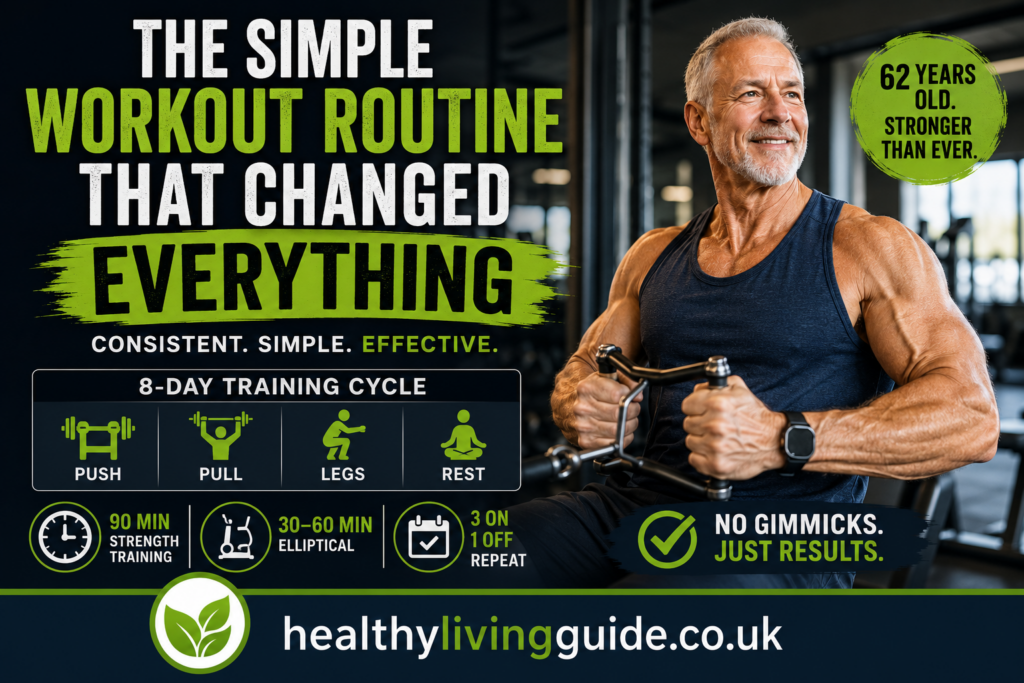
He trains using an eight-day cycle:
- Push Day
- Pull Day
- Leg Day
- Rest Day
Then he repeats the sequence.
This structure gives his body time to recover while ensuring regular training.
Most gym sessions begin early.
Very early.
TJ typically wakes around 4:15 a.m. and arrives at the gym by 5:00 a.m.
His workouts generally include:
- Approximately 90 minutes of weight training
- Between 30 and 60 minutes of cardiovascular exercise on the elliptical
Nothing revolutionary.
No secret techniques.
No celebrity trainer.
No expensive programme.
Just years of showing up.
When he first entered a gym at age 54, he hated it.
He felt embarrassed.
He felt uncomfortable.
He often trained late at night to avoid crowds.
For the first three months, every workout felt difficult.
Many people would have quit.
Instead, he kept going.
Eventually the gym became familiar.
Then enjoyable.
Then essential.
Today he cannot imagine life without it.
One particularly inspiring aspect of his story is how long-term consistency transformed his abilities.
When he started, he could not perform a single pull-up.
In fact, he struggled just to hang from the bar.
Eighteen months later he achieved his first pull-up.
Years later he can perform multiple repetitions with ease.
This highlights an important truth.
Fitness progress is often slower than people expect.
But when you remain consistent, extraordinary improvements eventually become normal.
The Nutrition Strategy That Made Weight Loss Possible

Exercise played an important role in TJ’s transformation.
However, he repeatedly emphasises one key fact.
“You can’t outwork a bad diet.”
His greatest breakthrough came when he learned how to manage food effectively.
As a self-described stress eater, he understood that willpower alone was not enough.
He needed a system.
That system was preparation and measurement.
Every day he carefully portions his food.
For example, he buys nuts in bulk but immediately divides them into individual 40-gram servings.
Once the portions are prepared, there is no decision to make.
He simply follows the plan.
This approach removes temptation.
It eliminates guesswork.
It reduces emotional eating.
Most importantly, it creates consistency.
His meals are remarkably simple.
A typical post-workout meal includes:
- Cottage cheese
- Carrots
- Greek yogurt
- Blueberries
Dinner often consists of:
- Grilled chicken breast
- Asparagus
- Large salad
- Small serving of chocolate milk
Notice what is missing.
No fancy supplements.
No detox teas.
No expensive meal replacements.
No complicated recipes.
Instead, he focuses on foods that are:
- High in protein
- Rich in nutrients
- Easy to prepare
- Easy to repeat
Another critical factor is tracking.
TJ tracked everything.
Every calorie.
Every snack.
Every small treat.
Even tiny items like mints were recorded.
This level of awareness helped him understand exactly how much he was consuming.
Many people underestimate their food intake by hundreds of calories each day.
Tracking removes uncertainty.
It turns assumptions into facts.
For TJ, that knowledge became a powerful tool for long-term success.
Why Small Habits Beat Extreme Diets Every Time

One of the reasons TJ succeeded where previous attempts failed is because he stopped looking for quick fixes.
Years earlier, he had actually lost around 100 pounds during a workplace weight-loss competition.
The problem?
The methods were unsustainable.
He lost weight rapidly.
He exercised very little.
He focused entirely on winning.
Within three months, most of the weight returned.
Then it happened again.
The lesson was painful but valuable.
Fast weight loss is meaningless if you cannot maintain it.
When he began his final successful transformation, he adopted a different philosophy.
Slow.
Steady.
Sustainable.
Instead of trying to lose weight as quickly as possible, he focused on building habits that could last forever.
This included:
- Meal preparation
- Portion control
- Regular exercise
- Daily tracking
- Consistent sleep routines
- Long-term thinking
Over time these habits became automatic.
The beauty of habits is that they reduce decision-making.
You no longer negotiate with yourself every day.
You simply follow the routine.
This is why small habits often outperform extreme diets.
Extreme diets rely heavily on motivation.
Habits rely on repetition.
Motivation fades.
Habits remain.
TJ’s transformation demonstrates the incredible power of compounding.
A small healthy choice repeated thousands of times eventually produces life-changing results.
The Surprising Truth About Supplements And Healthy Aging

In today’s fitness industry, many people assume supplements are the key to staying lean and muscular after 60.
TJ’s approach is refreshingly simple.
For most of his journey, he relied on only a few basic supplements.
These included:
- Multivitamins
- Fish oil
- Magnesium
Importantly, these were recommended by his doctor.
Later, he added creatine after suggestions from gym friends.
Interestingly, he noticed fewer muscle strains and improved recovery after consistent use.
Beyond that, he avoids the supplement obsession that dominates social media.
He does not chase every new product.
He does not spend hundreds of pounds on powders.
He does not believe supplements can replace healthy habits.
He also addresses a question frequently asked by people who see his physique.
Many assume he uses testosterone replacement therapy.
His answer is simple.
No.
He believes many people search for shortcuts because they do not want to accept how much patience genuine transformation requires.
Whether or not someone chooses TRT is a personal decision that should involve medical guidance.
However, TJ’s story demonstrates that exceptional results are possible through disciplined nutrition and training alone.
The bigger lesson is that supplements should support a healthy lifestyle rather than replace it.
No supplement can compensate for:
- Poor nutrition
- Lack of exercise
- Inconsistent habits
- Insufficient sleep
Healthy aging is built on fundamentals.
Those fundamentals rarely change.
The Mindset That Turned Weight Loss Into A New Life
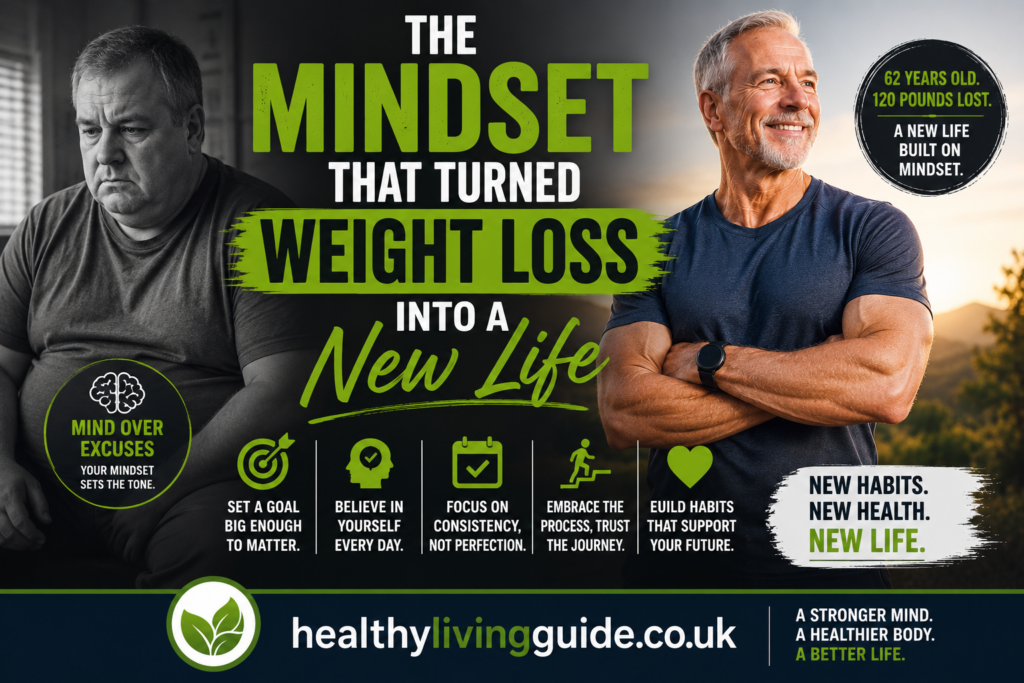
Perhaps the most powerful part of TJ’s journey has nothing to do with weight loss.
It is his perspective on life.
Despite losing over 120 pounds, he openly admits that he still struggles with aspects of his appearance.
Loose skin remains.
Old insecurities sometimes surface.
He does not pretend to be perfect.
What changed is his focus.
He stopped viewing fitness as an aesthetic pursuit.
Instead, he sees it as a way to experience life more fully.
Today he can:
- Hike mountains with family
- Build giant sand castles on the beach
- Play with children
- Stay active throughout the day
- Enjoy adventures he once missed
These experiences matter far more than a number on a scale.
One of his most memorable insights concerns age.
When asked if there is ever a point when it is too late to start, his answer was profound.
“Yes. When the date is filled in after the dash on your tombstone.”
In other words, if you are still alive, you still have the opportunity to improve.
You can always become healthier.
You can always become stronger.
You can always create better habits.
The next chapter can always be better than the last.
This mindset shifts the conversation away from perfection and toward progress.
No matter where you are today, improvement remains possible.
The Weight Loss Lessons Anyone Can Apply Today
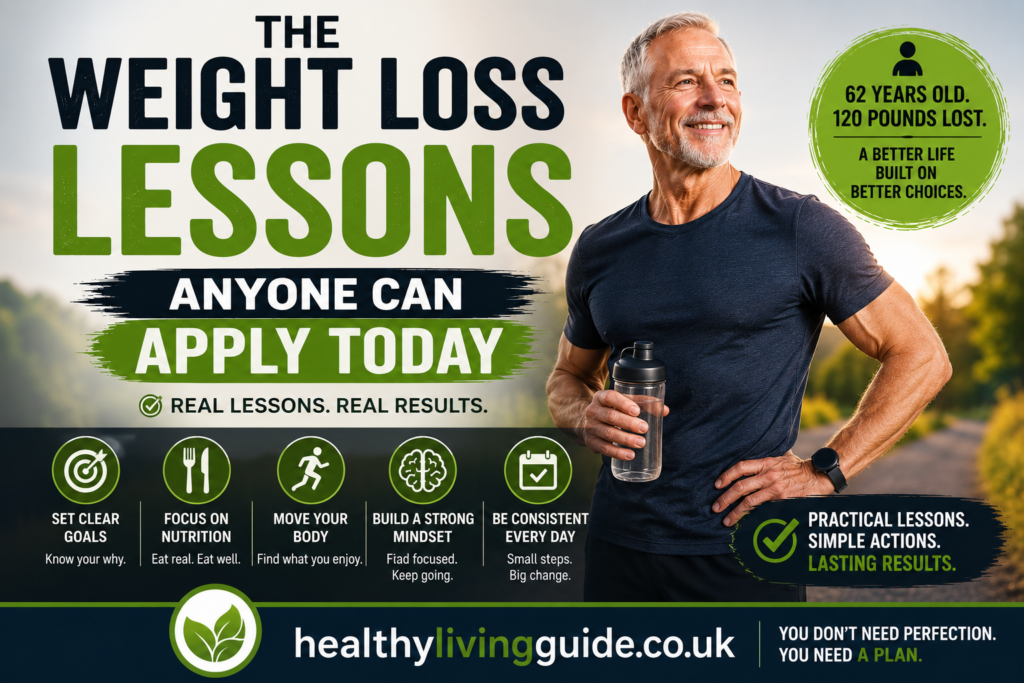
TJ’s story is inspiring because it is achievable.
He was not a professional athlete.
He did not start young.
He did not have exceptional genetics.
He simply committed to improving one step at a time.
The biggest lessons from his journey are clear.
Start where you are.
Track what you eat.
Focus on whole foods.
Prepare meals in advance.
Strength train consistently.
Prioritise protein.
Accept slow progress.
Build habits instead of chasing motivation.
Most importantly, remember that health is not about looking perfect.
It is about living fully.
The transformation from obese to shredded at 62 was not built in weeks or months.
It was built through thousands of small decisions made over many years.
That is why it lasted.
TJ’s journey proves that age is not the barrier most people think it is.
The real barrier is believing change is impossible.
Whether you are 32, 52, 62, or even older, your future health can be dramatically different from your current health.
The first step does not need to be huge.
It simply needs to happen.
As TJ says, little changes made consistently over time can completely transform a person.
And perhaps that is the most encouraging lesson of all.
You do not need to become perfect overnight.
You simply need to start.
Because no matter your age, your next chapter can be healthier, stronger, and happier than the one before it.
Disclaimer
The information provided in this article is for educational and informational purposes only. While every effort has been made to ensure accuracy, the content is not intended to replace professional medical, nutritional, fitness, or healthcare advice.
The views and concepts discussed are based on publicly available information, scientific research, expert opinions, and interpretations of the topics covered. Individual health needs, dietary requirements, and fitness goals vary from person to person, and results may differ.
Before making significant changes to your diet, exercise routine, supplementation, or lifestyle habits, you should consult with a qualified healthcare professional, registered dietitian, physician, or other appropriate medical expert.
The author and publisher assume no responsibility for any loss, injury, or damage resulting from the use of information contained in this article. Readers are encouraged to conduct their own research and make informed decisions based on their individual circumstances.
By reading this article, you acknowledge that any actions you take based on the information provided are done at your own discretion and risk.ented in this article.