Health is arguably the most valuable asset we possess. Without good health, it becomes difficult to enjoy wealth, relationships, travel, hobbies, or career success. Yet despite understanding its importance, many people neglect their health when life becomes busy.
Work deadlines, family commitments, financial pressures, and endless distractions often push healthy habits to the bottom of the priority list. Sleep suffers, exercise disappears, nutrition becomes an afterthought, and stress quietly builds in the background.
The good news is that improving your health does not require extreme diets, expensive equipment, or spending hours every day in the gym. Often, the biggest improvements come from small habits that are easy to implement and maintain.
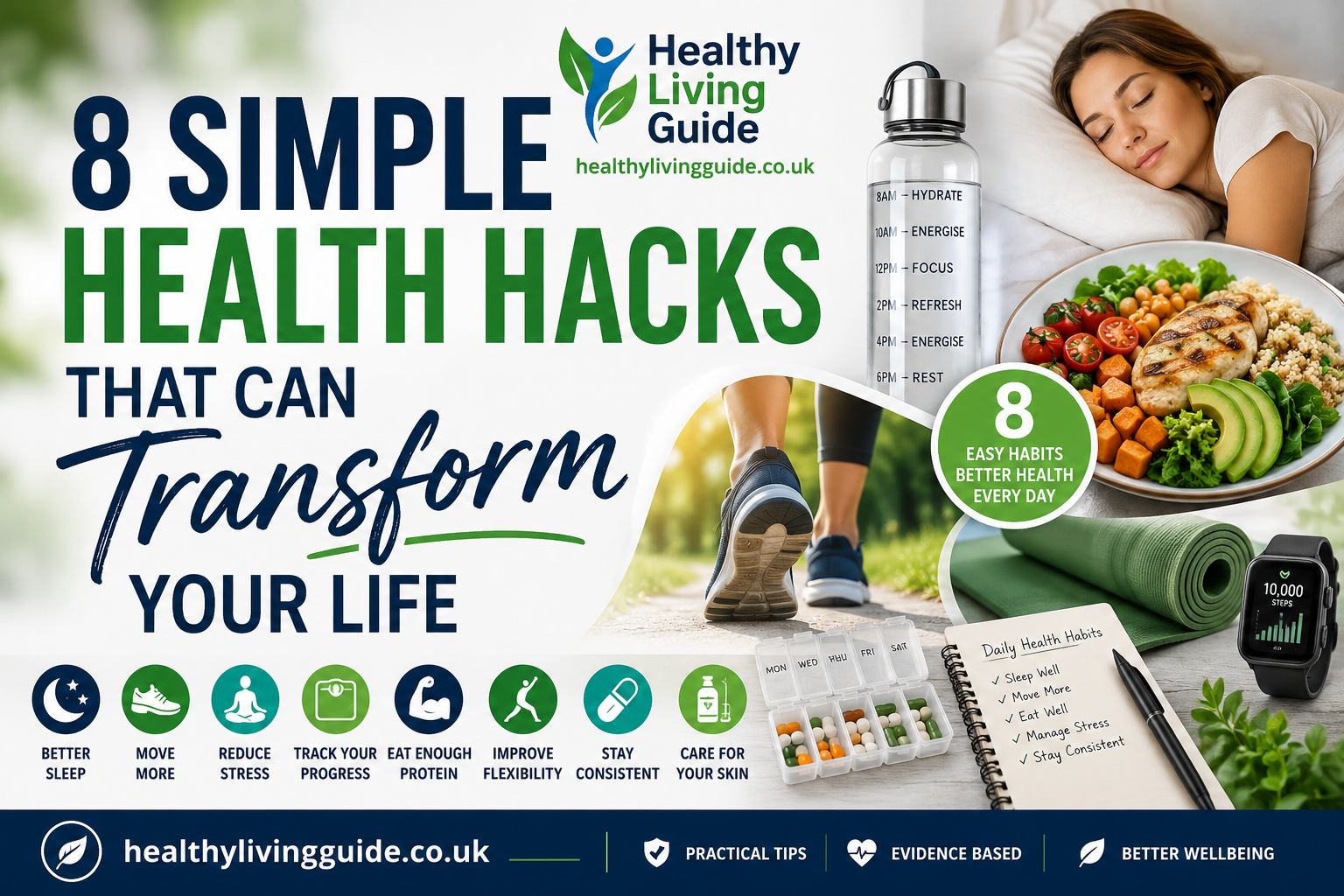
This guide explores eight simple health hacks that can significantly improve sleep quality, physical fitness, stress management, body composition, flexibility, and overall wellbeing. These habits are practical, evidence-based, and easy to integrate into everyday life.
Master The 321 Method For Better Sleep
Sleep is the foundation of good health. When sleep quality declines, almost every aspect of life suffers.
Poor sleep affects:
- Energy levels
- Mood
- Concentration
- Memory
- Hormone balance
- Weight management
- Immune function
Many people focus on improving diet and exercise while completely overlooking sleep.
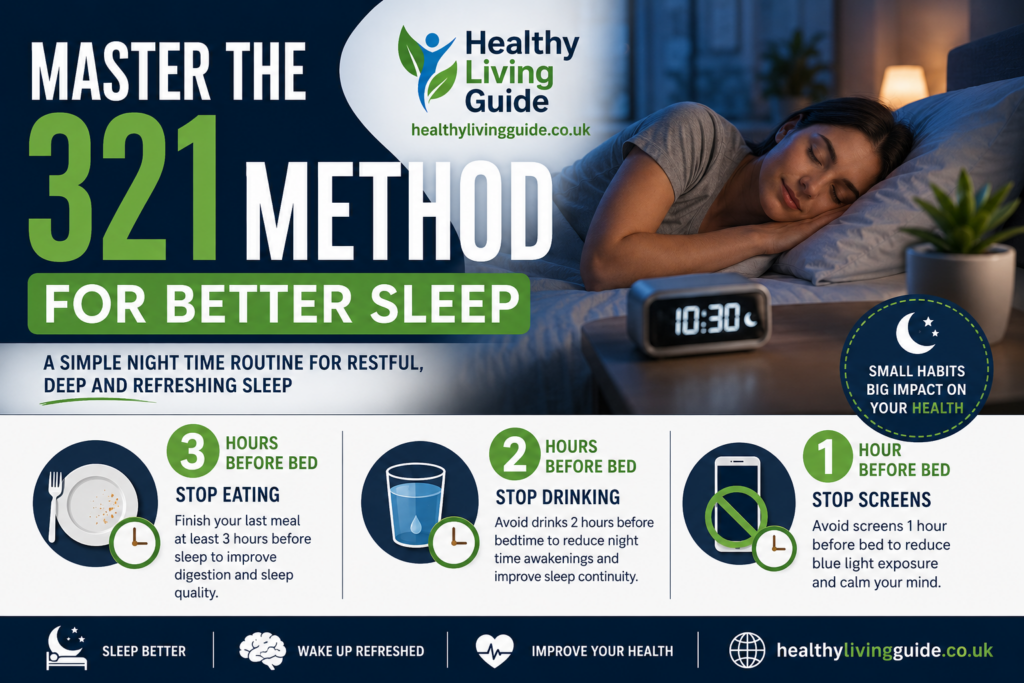
One of the easiest methods for improving sleep quality is the 321 Method.
The rules are remarkably simple:
Stop Eating Three Hours Before Bed
Eating too close to bedtime forces your digestive system to remain active when your body should be preparing for rest.
Late-night meals can contribute to:
- Indigestion
- Acid reflux
- Night-time awakenings
- Reduced sleep quality
Finishing your final meal at least three hours before bed allows your body to focus on recovery rather than digestion.
Stop Drinking Two Hours Before Bed
Most people understand that caffeine can interfere with sleep.
However, even drinking large amounts of water shortly before bedtime can disrupt rest by causing multiple trips to the bathroom during the night.
Reducing fluid intake two hours before sleep can improve sleep continuity.
Avoid Screens One Hour Before Bed
Modern screens expose us to bright light and endless stimulation.
Social media, emails, videos, and news updates keep the brain active when it should be winding down.
Instead of scrolling through a phone, consider:
- Reading fiction
- Listening to calming music
- Practising gentle stretching
- Journaling
- Meditation
Many people notice significant improvements in sleep quality after implementing this simple rule.
Increase Your Daily Step Count
Modern lifestyles encourage sitting.
Many people spend:
- Hours driving
- Hours at desks
- Hours watching television
- Hours scrolling on phones
This level of inactivity has become a major health concern worldwide.
Research consistently shows that increasing daily movement improves physical and mental health.
Walking offers numerous benefits:
- Better cardiovascular health
- Improved mood
- Lower stress levels
- Increased calorie expenditure
- Improved blood sugar control
- Better longevity
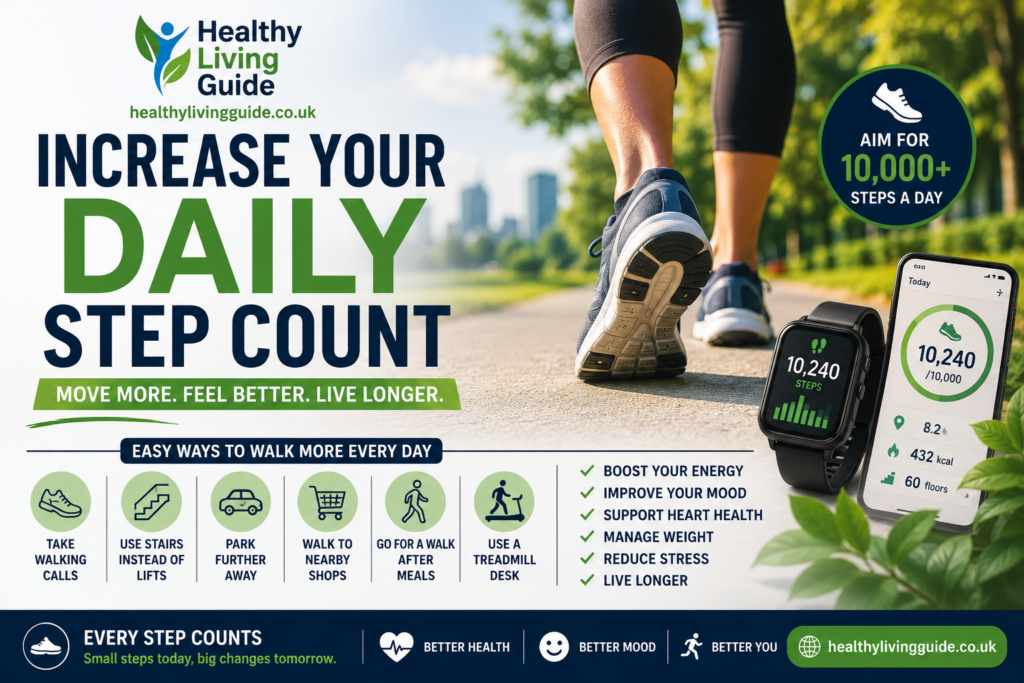
A common target is 10,000 steps per day.
While this number is not magical, it provides a useful benchmark.
Easy Ways To Walk More
Instead of viewing walking as exercise, incorporate it naturally into daily life.
Examples include:
- Walking during phone calls
- Taking stairs instead of lifts
- Parking further away
- Walking to nearby shops
- Going for a short walk after meals
- Walking during lunch breaks
For people working from home, walking pads and treadmill desks can be particularly effective.
The goal is not perfection.
The goal is simply moving more than you currently do.
Even adding an extra 2,000 to 3,000 steps daily can create meaningful health improvements over time.
Use Meditation To Reduce Stress
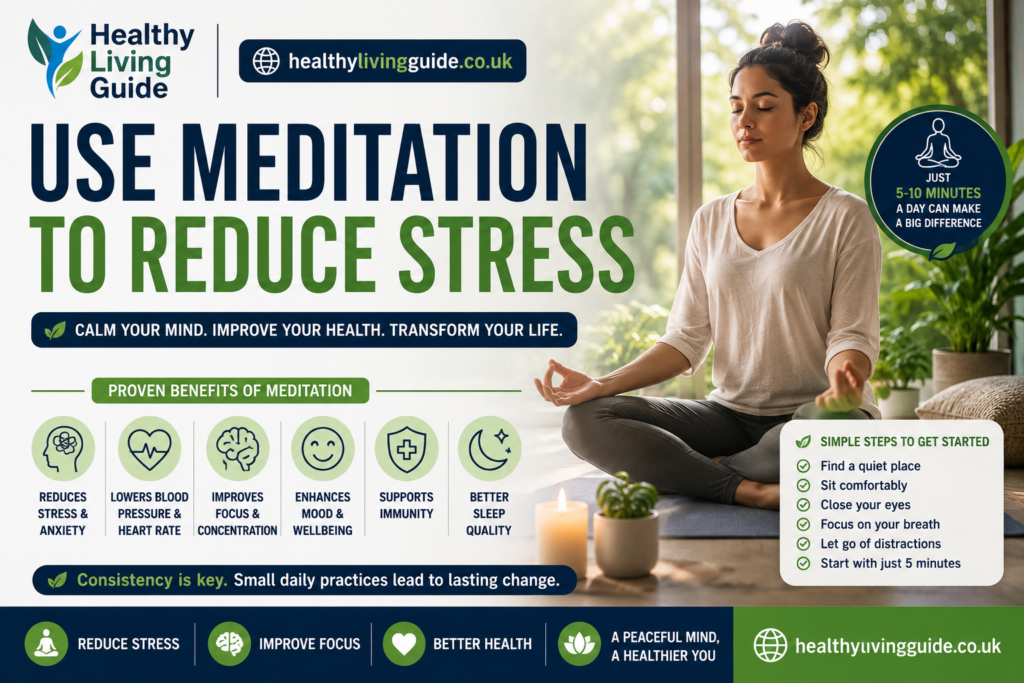
Stress is often called the silent health killer.
Many people live with chronic stress without even realising it.
The body adapts to constant pressure until stress feels normal.
Common signs include:
- Poor sleep
- Fatigue
- Irritability
- Brain fog
- Digestive issues
- Elevated blood pressure
Meditation is one of the most researched stress-management tools available.
Studies have shown that regular meditation may help reduce:
- Cortisol levels
- Blood pressure
- Heart rate
- Anxiety symptoms
- Inflammation markers
At the same time, meditation can improve:
- Focus
- Emotional resilience
- Self-awareness
- Mental clarity
Start Small
Many people assume meditation requires sitting cross-legged for an hour.
It does not.
Five minutes is enough to begin.
A simple routine could involve:
- Sitting comfortably.
- Closing your eyes.
- Focusing on your breathing.
- Returning attention to the breath whenever the mind wanders.
Consistency matters far more than duration.
Five minutes daily can be more beneficial than one hour once a month.
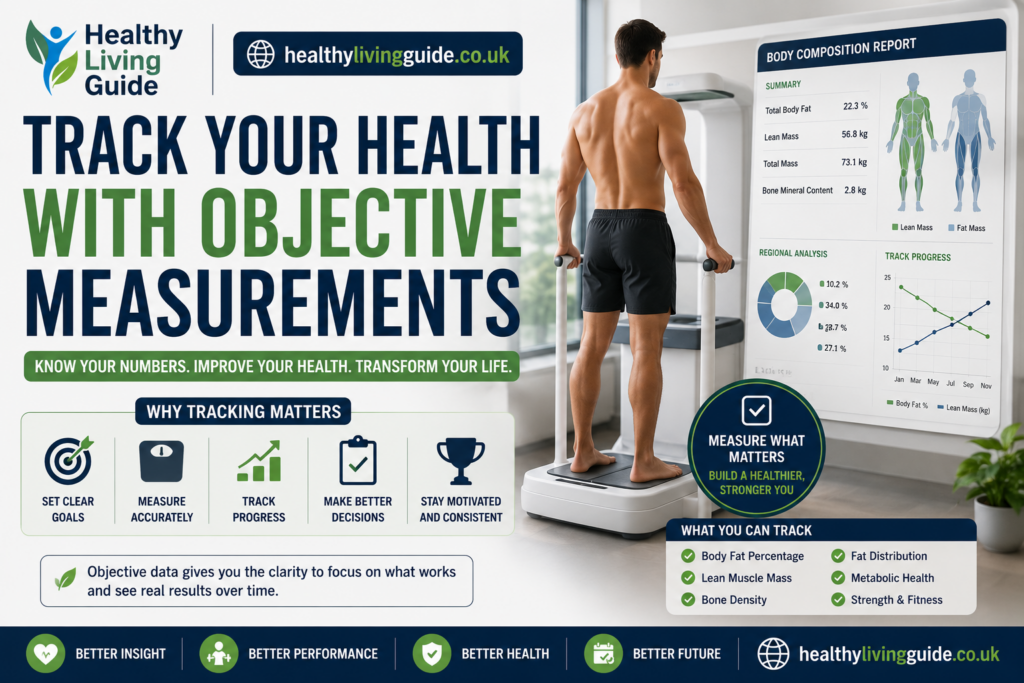
Track Your Health With Objective Measurements
Most people judge health based on appearance.
Unfortunately, appearance can be misleading.
Someone may look slim while carrying dangerous levels of visceral fat around their organs.
Others may think they are overweight despite having healthy body composition.
Objective measurements provide a clearer picture.
One increasingly popular option is a DEXA scan.
Unlike standard scales, a DEXA scan can measure:
- Body fat percentage
- Muscle mass
- Bone density
- Fat distribution
This information can be incredibly motivating.
Why Measurement Matters
What gets measured often gets improved.
When people can clearly see:
- Fat loss
- Muscle gain
- Body composition changes
They are more likely to stay committed to healthy habits.
Even if a DEXA scan is unavailable, tracking basic health markers can still be useful.
Examples include:
- Waist circumference
- Body weight
- Blood pressure
- Resting heart rate
- Blood glucose levels
Knowledge creates awareness.
Awareness drives better decisions.
Make Protein Intake Automatic
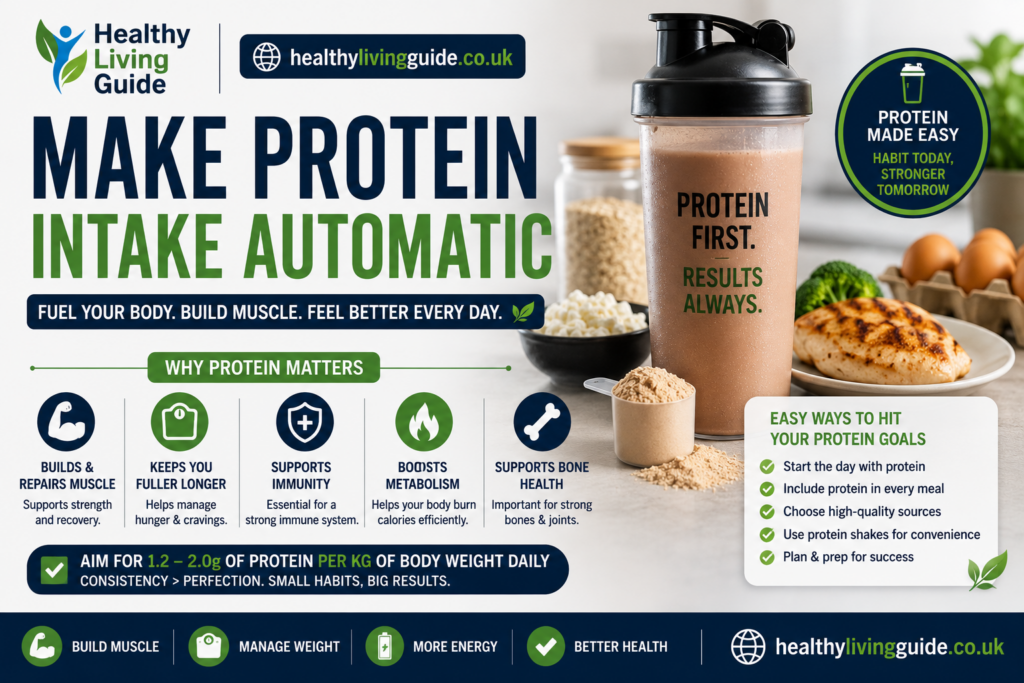
Protein is essential for:
- Muscle maintenance
- Muscle growth
- Recovery
- Hormone production
- Immune function
- Satiety
Yet many people consume far less protein than they think.
Low protein intake can contribute to:
- Muscle loss
- Increased hunger
- Poor recovery
- Reduced strength
One of the simplest solutions is to automate protein consumption.
Start The Day With Protein
Breakfast is often dominated by carbohydrates.
Cereal, toast, pastries, and sugary snacks may provide energy but often contain very little protein.
A protein-rich breakfast helps:
- Reduce cravings
- Improve satiety
- Support muscle maintenance
- Stabilise blood sugar
Examples include:
- Eggs
- Greek yoghurt
- Cottage cheese
- Smoked salmon
- Protein smoothies
- Lean meats
Many health experts recommend aiming for approximately 1.2 to 2 grams of protein per kilogram of body weight depending on activity levels and goals.
The key is consistency rather than perfection.
Improve Flexibility And Mobility
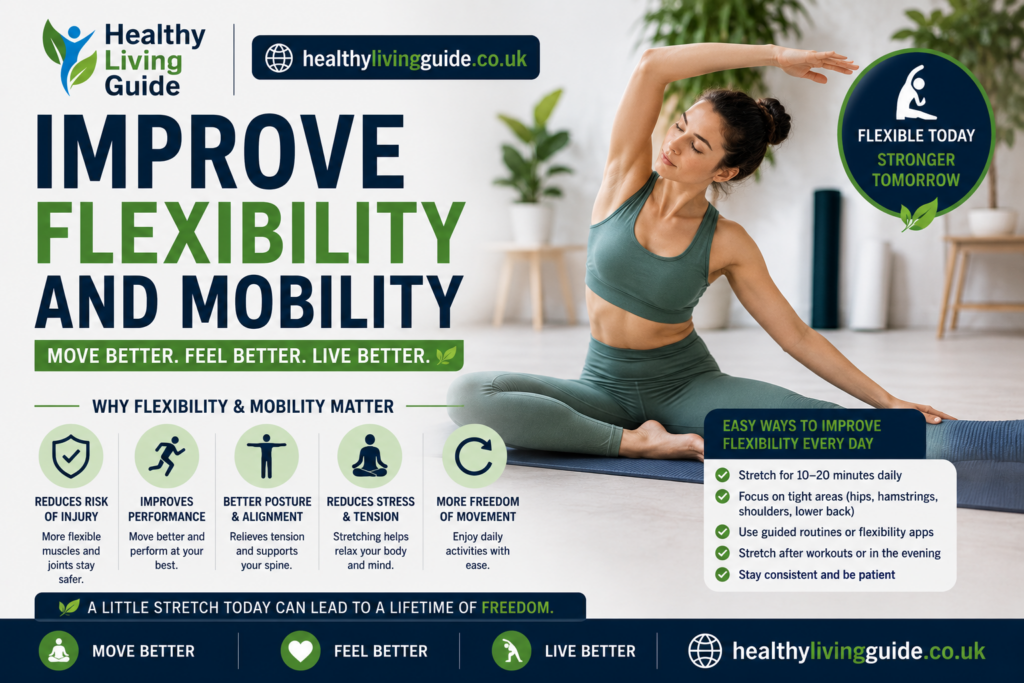
Many adults gradually lose flexibility as they age.
Hours spent sitting contribute to:
- Tight hips
- Stiff hamstrings
- Poor posture
- Reduced mobility
Over time these limitations can increase injury risk and affect quality of life.
Mobility training helps maintain movement capacity throughout life.
Simple Ways To Become More Flexible
You do not need advanced yoga skills.
Start with just 10 to 20 minutes a few times per week.
Focus on common problem areas:
- Hamstrings
- Hip flexors
- Lower back
- Shoulders
- Chest
Benefits may include:
- Improved posture
- Better exercise performance
- Reduced stiffness
- Increased range of motion
- Enhanced recovery
Many people also find stretching deeply relaxing, making it an excellent evening routine before bed.
Organise Supplements And Medication Properly
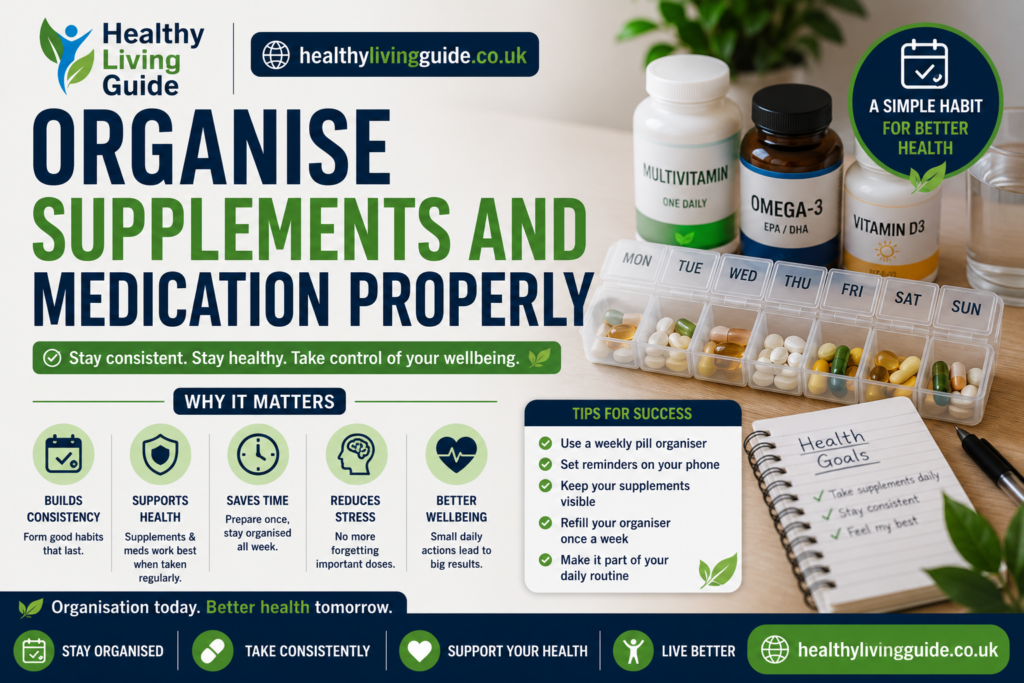
Even the best health routine fails if it is inconsistent.
Many people forget to take:
- Vitamins
- Supplements
- Prescribed medication
Not because they are unwilling, but because life gets busy.
One simple solution is using a weekly pill organiser.
Why Pill Organisers Work
A pill organiser removes decision-making from the process.
Instead of opening multiple bottles every day, everything is prepared in advance.
Benefits include:
- Better adherence
- Reduced forgetfulness
- Time savings
- Less stress
This simple tool is especially useful for:
- Busy professionals
- Older adults
- People managing multiple supplements
- Anyone building a consistent health routine
Small systems often outperform motivation.
Build A Simple Evidence Based Skincare Routine
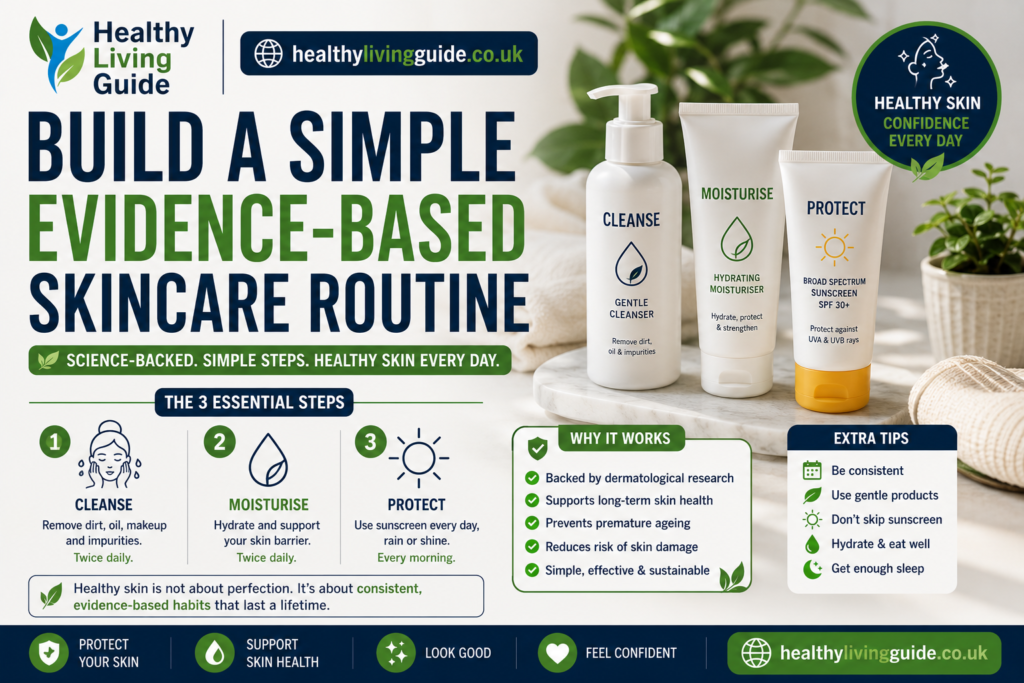
Skin health is often overlooked when discussing overall wellness.
Yet healthy skin contributes significantly to confidence and wellbeing.
The skincare industry can be overwhelming, with thousands of products promising miraculous results.
Fortunately, dermatologists generally agree that a simple routine works best.
The Three Core Elements
Most effective skincare routines focus on:
Cleansing
A gentle cleanser removes dirt, oil, and environmental pollutants.
Moisturising
A quality moisturiser supports the skin barrier and prevents dryness.
Sun Protection
Daily sunscreen use is arguably the most powerful anti-ageing strategy available.
Sun protection helps reduce:
- Premature wrinkles
- Sun damage
- Age spots
- Skin cancer risk
Consistency is far more important than using dozens of expensive products.
A simple routine followed every day often produces better results than a complicated routine followed occasionally.
Why Small Habits Create Extraordinary Health Results
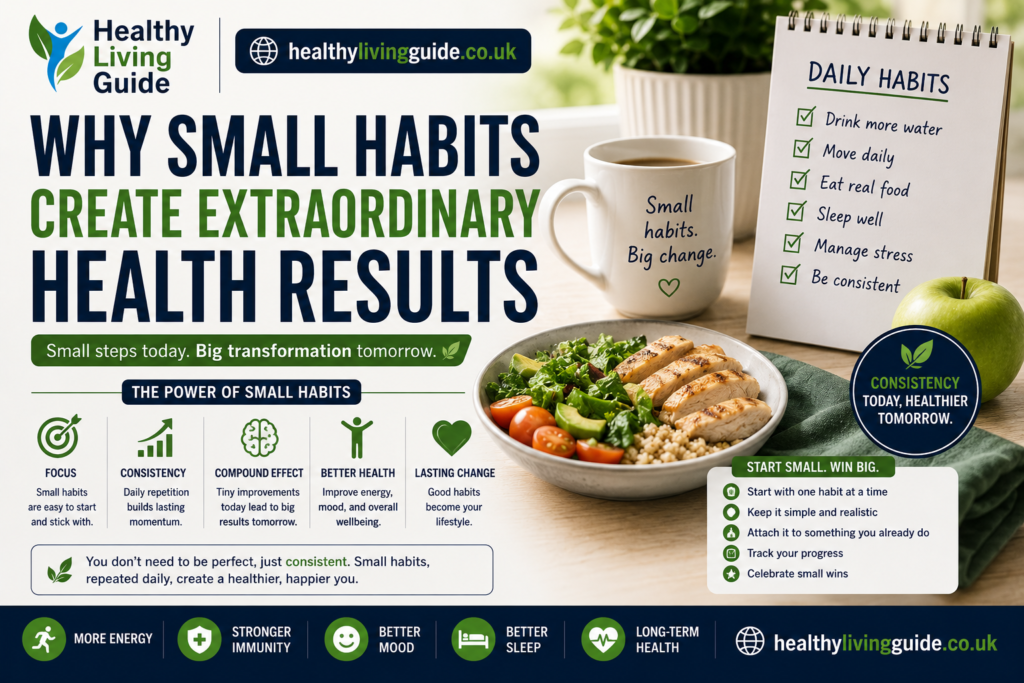
One of the biggest misconceptions about health is the belief that transformation requires dramatic action.
In reality, sustainable health improvements usually come from small habits repeated consistently.
A person who:
- Sleeps better
- Walks more
- Eats enough protein
- Meditates regularly
- Stretches consistently
- Tracks progress
- Takes supplements reliably
- Protects their skin
Will likely experience significant improvements over time.
The beauty of these eight health hacks is that they do not require major lifestyle changes.
They are simple.
They are practical.
And most importantly, they are sustainable.
Health is not built in a day.
It is built through thousands of small decisions made consistently over months and years.
Start with just one of these habits this week.
Master it.
Then add another.
Your future self will thank you for it.
Disclaimer
The information provided in this article is for educational and informational purposes only. While every effort has been made to ensure accuracy, the content is not intended to replace professional medical, nutritional, fitness, or healthcare advice.
The views and concepts discussed are based on publicly available information, scientific research, expert opinions, and interpretations of the topics covered. Individual health needs, dietary requirements, and fitness goals vary from person to person, and results may differ.
Before making significant changes to your diet, exercise routine, supplementation, or lifestyle habits, you should consult with a qualified healthcare professional, registered dietitian, physician, or other appropriate medical expert.
The author and publisher assume no responsibility for any loss, injury, or damage resulting from the use of information contained in this article. Readers are encouraged to conduct their own research and make informed decisions based on their individual circumstances.
By reading this article, you acknowledge that any actions you take based on the information provided are done at your own discretion and risk.ented in this article.