
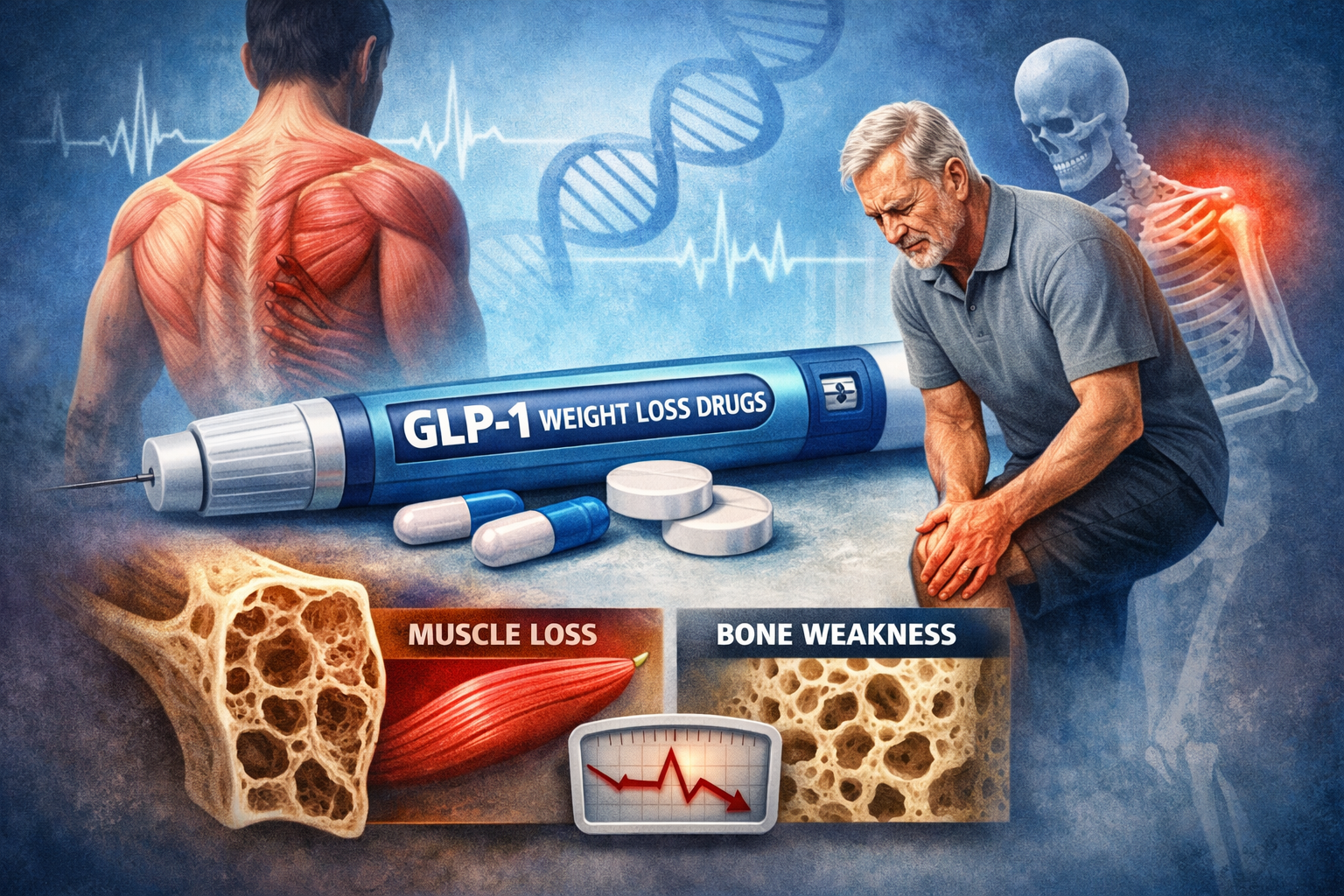
In recent years, a new class of weight loss drugs has taken the world by storm. Medications like semaglutide and tirzepatide, commonly marketed under brand names such as Ozempic and Wegovy, have been hailed as revolutionary solutions for obesity. They promise rapid, significant weight loss without the grueling effort traditionally associated with dieting and exercise.
However, beneath the headlines and success stories lies a growing body of research raising important questions about their long-term safety. While these drugs are undeniably effective at reducing body weight, emerging evidence suggests that the quality of that weight loss may not always be ideal. Concerns are mounting around muscle loss, bone health, and broader musculoskeletal issues that could impact long-term health outcomes.
This article explores the science behind GLP-1 weight loss drugs, their benefits, and the emerging concerns surrounding their side effects, particularly those affecting muscle and skeletal health.
What Are GLP-1 Weight Loss Drugs and How Do They Work
GLP-1 receptor agonists are medications originally developed to treat type 2 diabetes. They mimic a natural hormone called glucagon-like peptide-1, which plays a role in regulating appetite, insulin secretion, and digestion.
These drugs work primarily by:
- Slowing gastric emptying
- Increasing feelings of fullness
- Reducing appetite and food intake
As a result, users often consume fewer calories, leading to substantial weight loss over time. Clinical trials have shown that patients can lose between 10% and 20% of their body weight, which is a remarkable achievement compared to traditional weight loss methods.
Because of their effectiveness, these drugs have rapidly become popular not only among individuals with obesity but also among those seeking cosmetic weight loss.
The Reality Behind Rapid Weight Loss
Weight loss, regardless of the method, typically involves losing a combination of fat mass and lean body mass. Lean mass includes muscles, bones, organs, and connective tissues.
The issue with GLP-1 drugs is not that they cause weight loss, but how that weight is lost.
Research indicates that:
- Up to 40% of total weight loss may come from lean mass, including muscle
- Some reports suggest 20% to 50% of weight lost is lean body mass
- Rapid weight loss can result in 15% to 25% reduction in lean muscle mass
This raises a critical concern. Losing muscle is not the same as losing fat. Muscle plays a vital role in metabolism, strength, mobility, and overall health. When muscle mass declines, it can have far-reaching consequences.
Muscle Loss: The Silent Side Effect
One of the most significant emerging concerns with GLP-1 drugs is the loss of skeletal muscle.
Why Muscle Matters
Muscle is not just about physical appearance. It is essential for:
- Maintaining metabolic rate
- Supporting joint stability
- Enhancing mobility and independence
- Regulating blood sugar
When muscle mass decreases, the body becomes less efficient at burning calories. This can lead to a slower metabolism, making it easier to regain weight after stopping the medication.
Evidence of Muscle Loss
Clinical and observational studies increasingly highlight this issue:
- GLP-1 therapies can lead to substantial reductions in skeletal muscle mass, especially in older adults
- Lean tissue loss may account for 26% to 40% of weight reduction in trials
- Older individuals may be particularly vulnerable to accelerated muscle loss
A recent large-scale analysis even found that certain drugs may lead to greater lean mass loss compared to others, highlighting variability within the class .
The Risk of Sarcopenic Obesity
Perhaps the most concerning outcome is a condition known as sarcopenic obesity. This occurs when a person loses muscle while still retaining excess fat.
This combination can:
- Increase frailty
- Raise the risk of falls and injuries
- Reduce quality of life
- Increase long-term healthcare needs
Musculoskeletal Concerns: Bones, Joints, and Tendons
Beyond muscle loss, researchers are now investigating how GLP-1 drugs may affect the entire musculoskeletal system.
Bone Density and Strength
Emerging studies suggest that these medications may influence bone health:
- Some evidence points to reduced bone mineral density during treatment
- Weight loss itself can accelerate bone turnover and weaken skeletal structure
More concerning findings from recent research indicate:
- A 30% higher risk of osteoporosis among users over time
- Increased incidence of bone-related conditions such as osteomalacia
Although these findings are still being studied, they suggest that rapid weight loss combined with hormonal changes may negatively impact bone strength.
Tendon and Joint Issues
Muscles do not operate in isolation. They are connected to bones via tendons and work alongside joints to enable movement.
Recent data suggests:
- A significant increase in tendon rupture risk among GLP-1 users
- Changes in connective tissue due to rapid weight loss
When muscle mass declines, it can place additional stress on joints and tendons, potentially increasing injury risk.
Functional Health vs Scale Weight
One of the biggest misconceptions about weight loss is that lower numbers on the scale automatically translate to better health.
With GLP-1 drugs, this assumption is being challenged.
The Problem with “Skinny but Weak”
Some patients may achieve significant weight loss but experience:
- Reduced strength
- Lower endurance
- Decreased mobility
In fact, research has shown that despite substantial weight loss, these drugs may not improve key aspects of physical fitness such as cardiovascular performance .
This highlights an important distinction between weight loss and health improvement.
Why Does Muscle Loss Happen on GLP-1 Drugs
Understanding the mechanism behind muscle loss helps clarify why this issue is so common.
Reduced Calorie Intake
These drugs suppress appetite, often leading to a significant calorie deficit. When the body lacks sufficient energy, it may break down both fat and muscle for fuel.
Lack of Resistance Training
Many users rely solely on the medication without incorporating exercise. Without resistance training, the body has little incentive to preserve muscle.
Protein Deficiency
Reduced appetite can also lead to insufficient protein intake, which is essential for maintaining muscle mass.
Hormonal and Metabolic Changes
GLP-1 drugs may indirectly influence pathways related to muscle growth and breakdown, although research is still ongoing.
Who Is Most at Risk
Not all individuals experience the same level of risk. Certain groups may be more vulnerable to the negative effects of muscle and bone loss.
Older Adults
Age-related muscle decline combined with drug-induced weight loss can accelerate frailty.
Sedentary Individuals
Without physical activity, muscle loss becomes more pronounced.
People with Pre-existing Conditions
Conditions such as osteoporosis, arthritis, or previous injuries may worsen with changes in body composition.
Rapid Weight Loss Cases
The faster the weight loss, the higher the likelihood of losing muscle alongside fat.
Psychological and Lesser-Known Side Effects
While physical side effects are a major concern, other emerging issues are also being discussed.
Some users report:
- Emotional flattening or reduced pleasure in activities
- Changes in motivation and reward perception
This phenomenon, sometimes referred to informally as “Ozempic personality,” may be linked to changes in dopamine signaling in the brain .
Although not officially classified as a side effect, it highlights the complexity of how these drugs interact with the body.
Are GLP-1 Drugs Still Safe
Despite these concerns, it is important to maintain perspective.
GLP-1 drugs:
- Significantly reduce body weight
- Improve blood sugar control
- Lower risk of obesity-related diseases
For many individuals, especially those with severe obesity or type 2 diabetes, the benefits may outweigh the risks.
However, the key issue is not whether these drugs work, but how they are used.
How To Minimise Risks While Using GLP-1 Drugs
The emerging research does not suggest abandoning these medications. Instead, it points toward a more balanced approach.
Strength Training Is Essential
Resistance training helps preserve muscle mass and improve overall body composition.
Studies show that combining exercise with GLP-1 therapy can mitigate bone and muscle loss .
Prioritise Protein Intake
Adequate protein supports muscle maintenance during weight loss.
Monitor Body Composition
Instead of focusing only on weight, tracking muscle and fat levels provides a clearer picture of health.
Regular Health Checkups
Bone density scans and physical assessments can help detect early signs of musculoskeletal issues.
Gradual Weight Loss
Slower, more controlled weight loss may reduce the risk of excessive muscle loss.
The Future of Weight Loss Medications
Pharmaceutical companies are already responding to these concerns.
New developments include:
- Combination therapies designed to preserve muscle
- Drugs targeting fat loss without affecting lean mass
- Personalized treatment plans based on individual risk factors
The next generation of weight loss treatments will likely focus not just on reducing weight, but on improving overall body composition and long-term health.
Final Thoughts
GLP-1 weight loss drugs represent one of the most significant medical breakthroughs in obesity treatment. They offer hope to millions of people struggling with weight-related health issues.
Yet, as with any powerful intervention, they come with trade-offs.
The emerging evidence around muscle loss, bone health, and musculoskeletal risks serves as an important reminder that weight loss is not just about shedding pounds. It is about maintaining strength, function, and long-term wellbeing.
Understanding these risks allows individuals and healthcare providers to make more informed decisions. With the right approach, including exercise, nutrition, and medical guidance, it is possible to harness the benefits of these drugs while minimising their downsides.
Disclaimer
This article is for informational purposes only and does not constitute medical advice. Always consult a qualified healthcare professional before starting or stopping any medication, including GLP-1 weight loss drugs.