In recent years, the United Kingdom has witnessed a dramatic surge in the number of people seeking support for neurodevelopmental conditions such as autism and ADHD. What was once considered a niche area of healthcare has rapidly become one of the most pressured parts of the NHS.
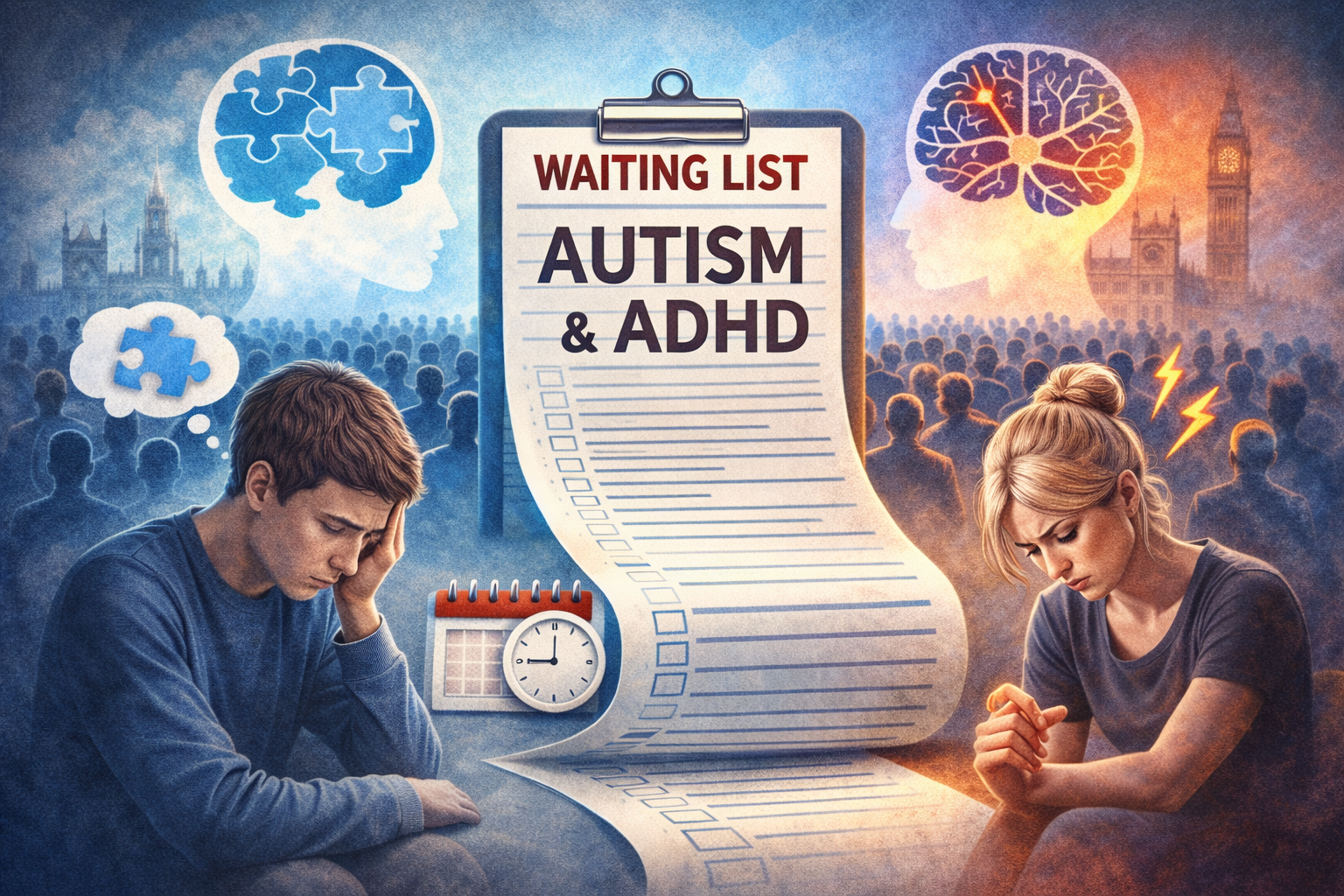
Waiting lists have grown to unprecedented levels. In England alone, more than 236,000 people are now waiting for an autism assessment, with many facing delays far beyond recommended timeframes . At the same time, ADHD referrals have exploded, with over 562,000 open referrals for possible ADHD diagnoses and millions potentially awaiting assessment through different services .
This surge has sparked intense debate. Is this a sign of overdiagnosis? Or is society finally recognising and addressing conditions that were historically misunderstood or ignored?
This article explores the reasons behind the neurodiversity surge, the consequences of long waiting lists, and what the future may hold.
Understanding Neurodiversity in Modern Society
Neurodiversity is a concept that views neurological differences as natural variations of the human brain rather than disorders that must always be “fixed.” Conditions such as autism and ADHD fall under this umbrella.
Rather than seeing these conditions purely through a medical lens, neurodiversity promotes:
- Acceptance of different ways of thinking
- Recognition of unique strengths and abilities
- Support systems tailored to individual needs
This shift in perspective has played a major role in increasing awareness and diagnosis rates.
The Scale Of The Surge In England
The numbers tell a striking story.
Autism Waiting Lists
- Over 236,000 people waiting for autism assessments in England
- Average waiting time exceeding 17 months
- Nearly 90% waiting longer than the recommended 13 weeks
- A 53% increase in just two years
Some estimates commonly cited place the figure around 227,000 people, reflecting how consistently high the backlog has become.
ADHD Waiting Lists
- Over 562,000 open referrals for ADHD assessment
- Up to 2.7 million people potentially waiting across services
- Around 60% of adults waiting more than a year
These figures highlight a system under immense strain.
Why Are So Many More People Seeking Diagnoses
The surge in demand is not driven by a single factor. Instead, it reflects a combination of societal, cultural, and medical changes.
Increased Awareness and Education
One of the biggest drivers is awareness.
In the past, autism and ADHD were often:
- Misunderstood
- Underdiagnosed
- Associated only with severe cases
Today, there is greater recognition that these conditions exist on a spectrum. Many individuals who previously went unnoticed are now seeking assessments.
Changing Diagnostic Criteria
Diagnostic frameworks have evolved, allowing for broader recognition of symptoms.
For example:
- Autism is now understood as a spectrum with varying presentations
- ADHD is increasingly recognised in adults, not just children
This has significantly expanded the number of people eligible for diagnosis.
The Role of Social Media
Platforms like TikTok and YouTube have played a surprisingly influential role.
They have:
- Increased awareness of symptoms
- Encouraged people to seek help
- Created communities for shared experiences
However, they have also contributed to self-diagnosis trends, which can complicate the pathway to formal assessment .
Post-Pandemic Mental Health Impact
The COVID-19 pandemic has had a lasting effect on mental health.
For many people:
- Remote work and isolation revealed previously unnoticed traits
- Stress and anxiety amplified symptoms
- Changes in routine highlighted executive function difficulties
This led to a surge in people seeking explanations and support.
Improved Recognition in Women and Adults
Historically, autism and ADHD were underdiagnosed in:
- Women
- Adults
- Minority groups
Recent research shows significant increases in diagnoses among these groups, particularly young women, suggesting that many cases were previously missed .
The Consequences Of Long Waiting Lists
The impact of long waiting times goes far beyond inconvenience.
Delayed Support and Intervention
Without a diagnosis, many people struggle to access:
- Educational support
- Workplace adjustments
- Mental health services
This can lead to worsening symptoms and reduced quality of life.
Mental Health Decline
Waiting for answers can be deeply distressing.
Many individuals experience:
- Anxiety
- Depression
- Feelings of uncertainty
In some cases, lack of support can lead to crisis situations .
Impact on Children and Families
For children, delays can affect:
- Academic performance
- Social development
- Behavioural support
Families often face years of uncertainty while trying to navigate the system.
Economic and Social Costs
Untreated ADHD and autism can have broader consequences, including:
- Reduced employment opportunities
- Increased healthcare costs
- Greater reliance on social support systems
The long-term economic impact is significant.
The NHS Under Pressure
The surge in demand has exposed structural challenges within the NHS.
Capacity Issues
The system simply does not have enough:
- Specialists
- Assessment centres
- Funding
Demand has outpaced capacity at an alarming rate.
Regional Inequalities
Access to services varies widely depending on location.
In some areas:
- Children may wait up to four years for an autism assessment
- Adults face even longer delays
This creates a postcode lottery in access to care.
Reliance on Private Providers
To cope with demand, the NHS increasingly relies on private providers.
However, this has led to concerns about:
- Quality of assessments
- Consistency of care
- A growing “two-tier” system
Recent reports suggest NHS spending on ADHD services has surged, partly due to outsourcing to private clinics .
Is This Overdiagnosis Or Unmet Need
This is one of the most debated questions.
The Overdiagnosis Argument
Some experts argue that:
- Increased awareness may lead to overdiagnosis
- Normal behaviours may be medicalised
- Social media may exaggerate symptoms
The Unmet Need Perspective
Others believe the surge reflects:
- Years of underdiagnosis
- Improved recognition of diverse presentations
- Greater willingness to seek help
Evidence suggests that many individuals, especially adults, have lived undiagnosed for years before seeking assessment.
The truth likely lies somewhere in between.
The Rise Of Self-Diagnosis
Self-diagnosis has become increasingly common.
Many people:
- Identify with symptoms online
- Seek community validation
- Approach healthcare professionals with pre-existing conclusions
While this can empower individuals, it also presents challenges:
- Risk of misdiagnosis
- Delays in appropriate treatment
- Increased pressure on assessment services
The Human Impact Behind The Numbers
Statistics only tell part of the story.
Behind every number is a person navigating:
- Confusion about their identity
- Frustration with long waiting times
- Challenges in daily life
For many, a diagnosis is not just a label. It is:
- A sense of validation
- A pathway to support
- An explanation for lifelong experiences
Potential Solutions To The Crisis
Addressing the neurodiversity surge requires systemic change.
Expanding NHS Capacity
Increasing the number of:
- Clinicians
- Assessment centres
- Funding
is essential to reduce waiting times.
Earlier Screening and Intervention
Identifying conditions earlier can:
- Reduce long-term impact
- Improve outcomes
- Ease pressure on adult services
Better Training for Professionals
Improved training for:
- Teachers
- GPs
- Employers
can help identify and support neurodivergent individuals without requiring formal diagnosis in every case.
Integrating Support Without Diagnosis
One key issue is that many services require a formal diagnosis.
Providing support based on need rather than diagnosis could:
- Reduce pressure on assessment systems
- Ensure timely help
Use of Technology
Digital tools and AI could streamline:
- Screening processes
- Initial assessments
- Patient management
The Future Of Neurodiversity In The UK
The rise in autism and ADHD diagnoses is unlikely to slow down anytime soon.
Government reviews and NHS reforms are already underway to address the crisis .
Future developments may include:
- Standardised national assessment pathways
- Increased funding and workforce expansion
- Better integration of services
More importantly, society’s understanding of neurodiversity will continue to evolve.
A Cultural Shift In How We See The Brain
The neurodiversity surge is not just a healthcare issue. It is a cultural shift.
We are moving from a model that:
- Labels differences as disorders
to one that:
- Recognises diversity in thinking and behaviour
This shift has profound implications for:
- Education systems
- Workplace environments
- Social attitudes
Final Thoughts
The sharp rise in autism and ADHD diagnoses reflects a complex intersection of awareness, societal change, and healthcare limitations.
While the growing waiting lists in England highlight serious systemic challenges, they also reveal something deeper. More people are seeking to understand themselves, and society is becoming more open to conversations about neurodiversity.
The challenge now is ensuring that the system can keep up.
Without significant investment and reform, long waiting times will continue to impact millions of lives. But with the right approach, this surge could mark a turning point toward a more inclusive and supportive society.
Disclaimer
This article is for informational purposes only and does not constitute medical or psychological advice. If you suspect you or someone you know may have autism or ADHD, consult a qualified healthcare professional for assessment and guidance.