
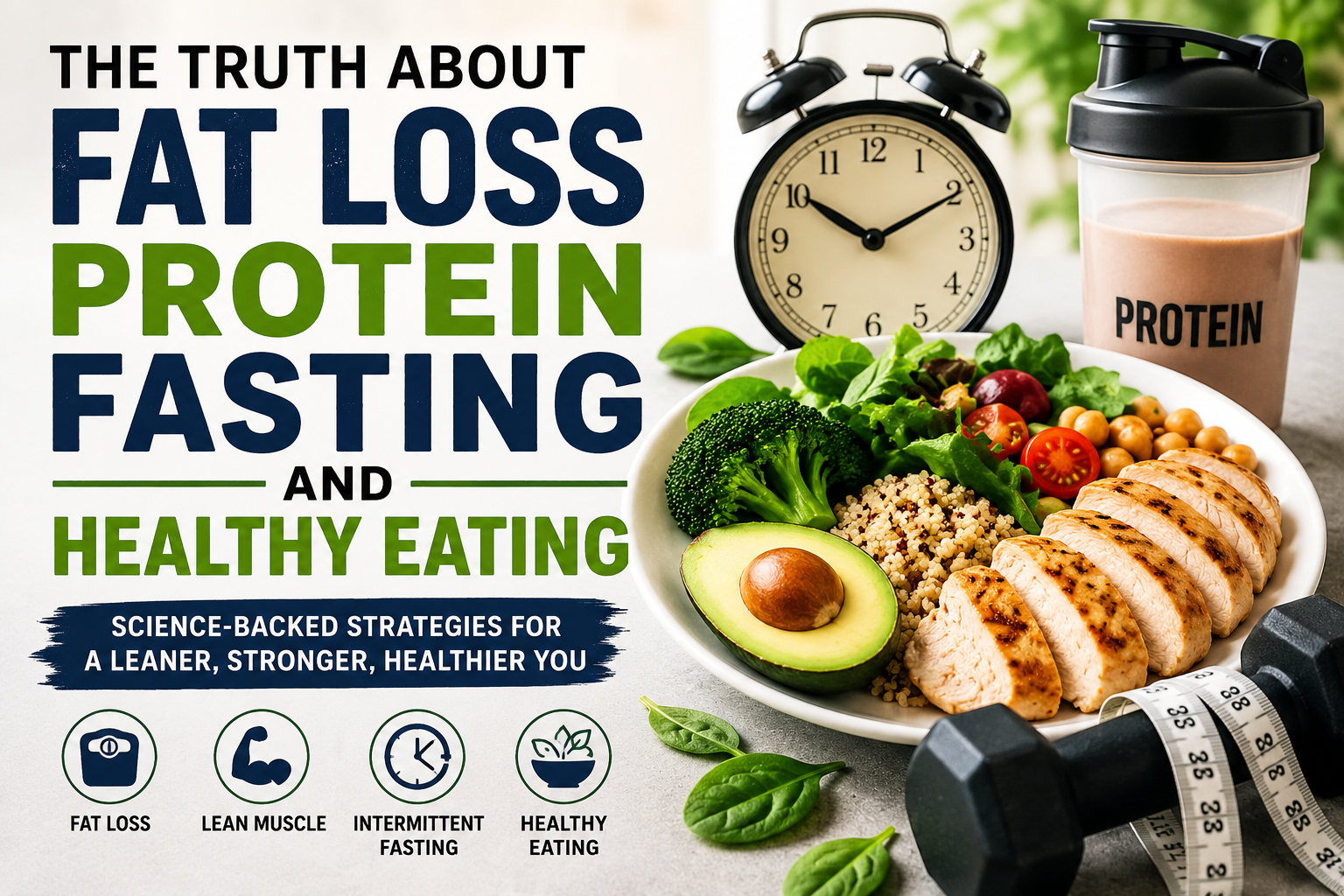
Nutrition is one of the most debated subjects in modern health and fitness. Every year, new diets emerge promising rapid fat loss, effortless muscle gain, and superior health. From ketogenic diets and intermittent fasting to carnivore eating and plant-based nutrition, consumers are constantly bombarded with conflicting advice.
The challenge is that much of the nutrition information available online is driven by opinions, personal experiences, or marketing rather than scientific evidence.
In a fascinating discussion between Andrew Huberman and Dr. Layne Norton, one of the world’s leading experts in nutritional science and protein metabolism, many of the biggest nutrition myths were examined through the lens of evidence-based research. The conversation explored calorie balance, protein intake, muscle growth, artificial sweeteners, fasting, gut health, supplements, and the most effective strategies for long-term fat loss and health.
This article distills the key lessons from that discussion and transforms them into practical advice you can use to improve your health, lose body fat, build lean muscle, and create sustainable eating habits.
Understanding Energy Balance And Why Calories Still Matter
One of the most misunderstood concepts in nutrition is energy balance.
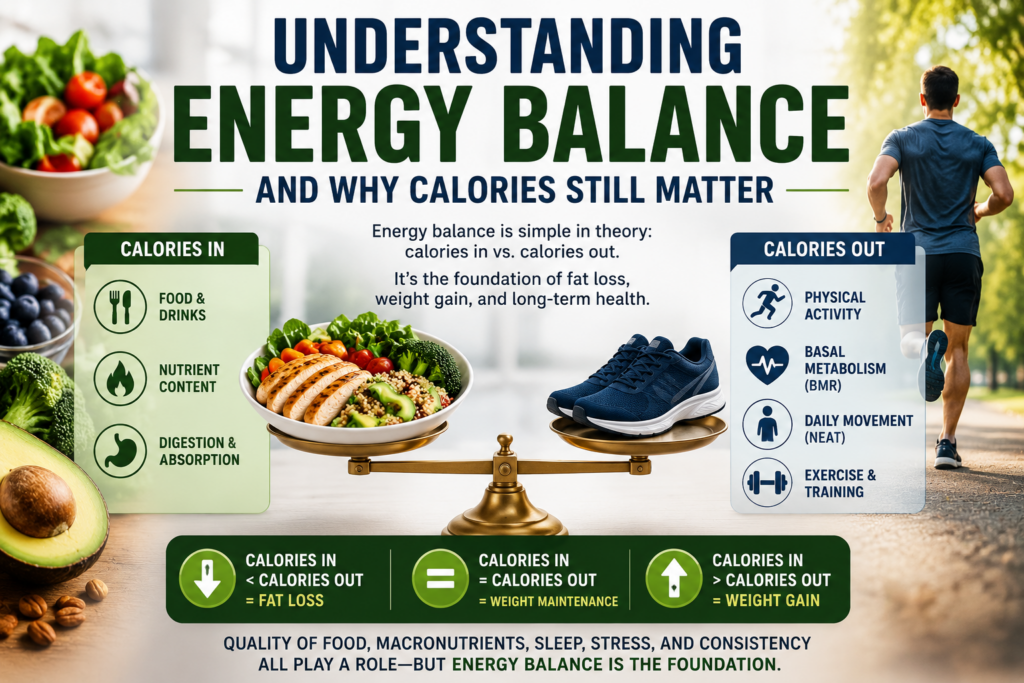
Many people dismiss the phrase “calories in versus calories out” as overly simplistic. However, according to Dr. Norton, while the phrase itself may sound simple, the biological processes behind it are incredibly complex.
At its core, a calorie is simply a unit of energy. Food contains stored chemical energy within its molecular bonds. When we digest and metabolize food, that energy is released and converted into ATP, the body’s primary energy currency.
The human body uses energy for:
- Breathing
- Heart function
- Brain activity
- Digestion
- Hormone production
- Physical activity
- Exercise
- Recovery
- Muscle growth
When energy intake exceeds energy expenditure, weight gain occurs.
When energy expenditure exceeds intake, weight loss occurs.
While hormones, genetics, sleep, stress, food quality, and appetite regulation all influence this equation, none of them eliminate the fundamental laws of thermodynamics.
Understanding this concept provides the foundation for effective fat loss and body composition management.
Many diets appear successful because they help individuals create a calorie deficit, whether intentionally or unintentionally.
The diet itself may vary, but the underlying mechanism remains consistent.
Why Most Diets Work At First
One of the biggest reasons people become confused about nutrition is that many completely different diets seem to work.
People lose weight using:
- Keto
- Vegan diets
- Carnivore diets
- Mediterranean diets
- Low-fat diets
- Intermittent fasting
- Paleo diets
If these approaches are so different, how can they all produce results?
The answer lies in adherence.
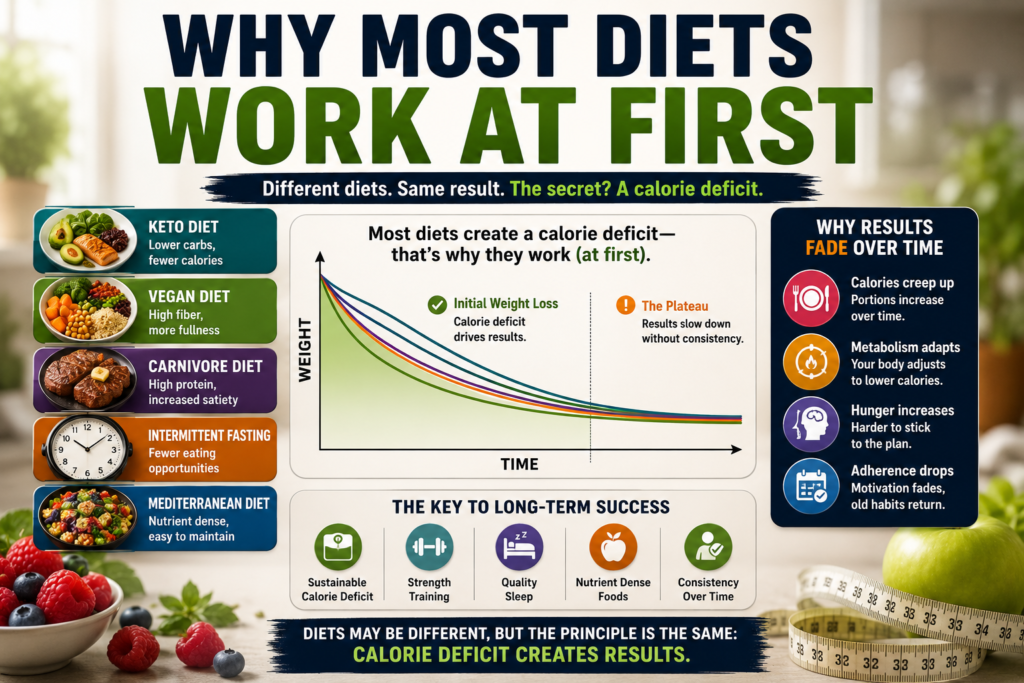
Most successful diets help people eat fewer calories while maintaining consistency.
A ketogenic diet may reduce hunger.
A plant-based diet may increase fullness due to fiber.
Intermittent fasting may reduce eating opportunities.
A carnivore diet may increase satiety through protein.
Different diets use different mechanisms, but successful fat loss ultimately comes down to maintaining a calorie deficit long enough for results to occur.
This doesn’t mean food quality is irrelevant.
Food quality influences:
- Health markers
- Satiety
- Energy levels
- Nutrient intake
- Long-term sustainability
However, for pure fat loss, energy balance remains the primary driver.
Protein Is The Most Important Macronutrient For Body Composition
Among all nutritional variables, protein stands out as the most powerful.
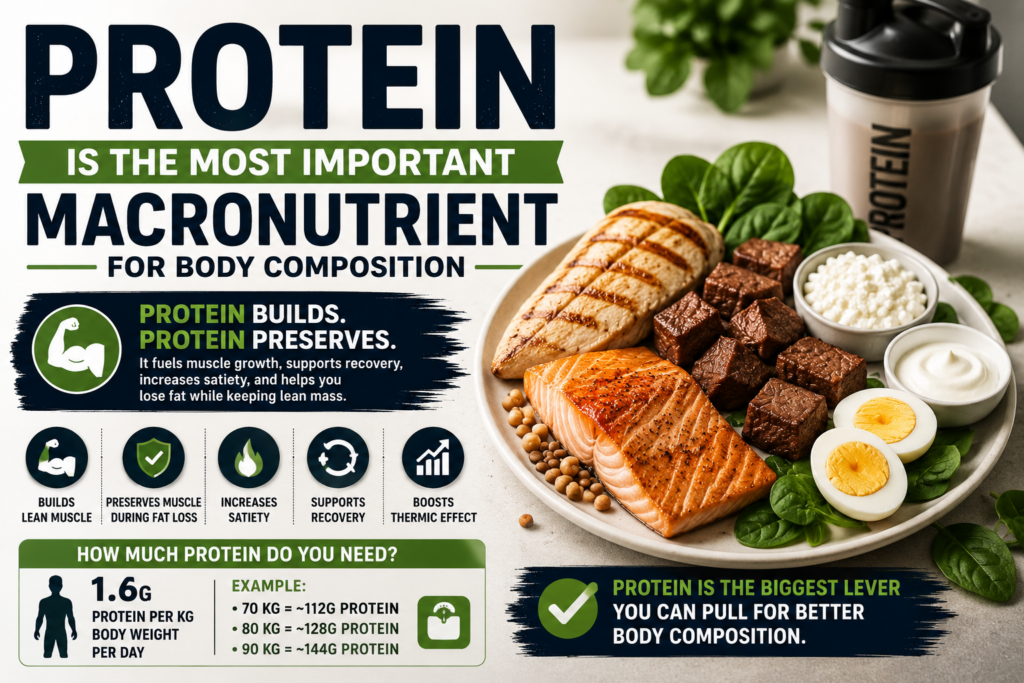
Dr. Norton describes protein as the biggest lever people can pull when attempting to improve body composition.
Protein serves several important functions:
- Builds muscle tissue
- Preserves muscle during dieting
- Supports recovery
- Increases satiety
- Has a high thermic effect
- Supports immune function
Unlike carbohydrates and fats, protein is directly responsible for providing amino acids required for muscle protein synthesis.
One of the most valuable insights from the discussion involves daily protein intake recommendations.
According to the evidence reviewed, muscle-building benefits largely plateau around:
1.6 g protein per kg body weight per day
Dr. Norton explains that higher intakes may provide additional benefits, but the returns become progressively smaller.
For example:
- 70 kg person: approximately 112 g protein daily
- 80 kg person: approximately 128 g protein daily
- 90 kg person: approximately 144 g protein daily
For many individuals seeking fat loss and muscle retention, this recommendation provides an excellent target.
Why Protein Helps Fat Loss
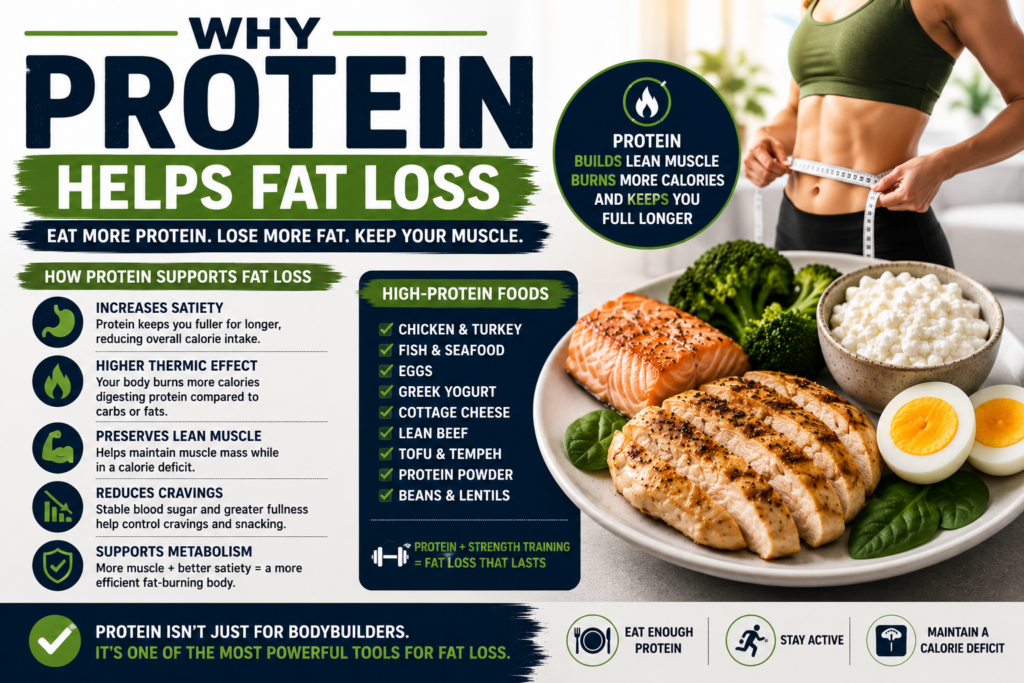
Most people associate protein exclusively with bodybuilding.
However, protein is equally important for fat loss.
One reason is satiety.
Protein-rich meals tend to keep people fuller for longer periods compared to meals dominated by fats or refined carbohydrates.
Another advantage is the thermic effect of food.
Digesting protein requires more energy than digesting carbohydrates or fats.
This means the body burns more calories processing protein.
Protein also helps preserve lean mass during calorie deficits.
Without sufficient protein, weight loss often includes muscle loss alongside fat loss.
Maintaining muscle mass is critical because muscle tissue contributes significantly to metabolic health and long-term weight maintenance.
People who prioritize protein often find dieting easier, experience less hunger, and retain more lean tissue.
Building Lean Muscle The Smart Way
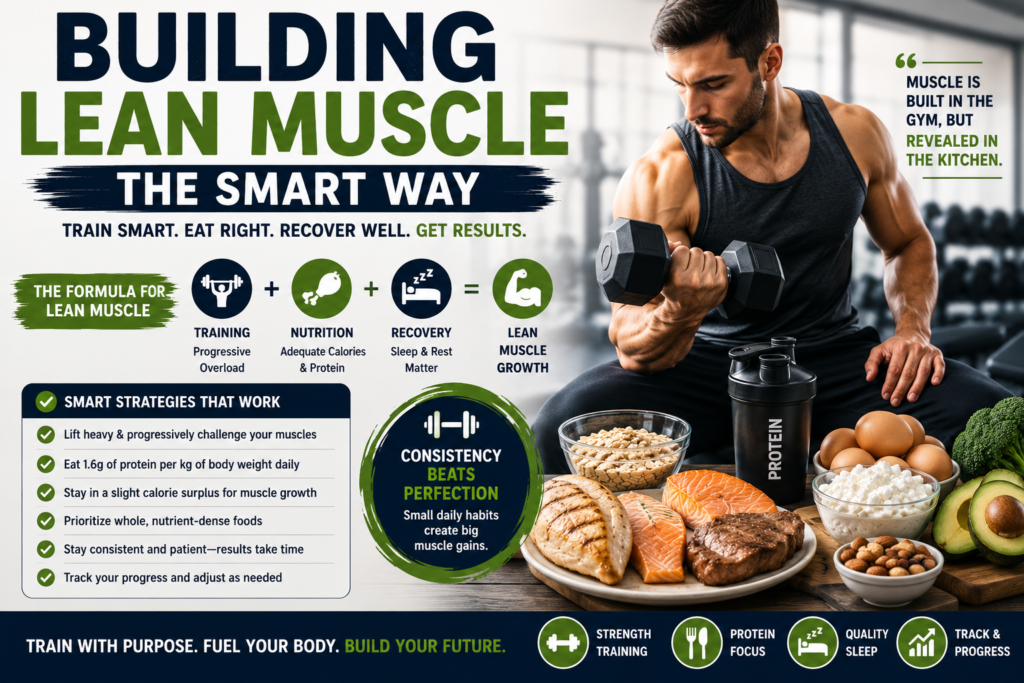
Muscle growth requires several ingredients working together.
These include:
- Progressive resistance training
- Adequate protein
- Sufficient calories
- Recovery
- Sleep
Many beginners focus almost entirely on training while ignoring nutrition.
Others focus on supplements while neglecting the basics.
The reality is that muscle growth is driven primarily by training stimulus combined with adequate nutrition.
Protein provides the raw materials.
Training provides the signal.
Recovery provides the opportunity for adaptation.
The most effective strategy involves consistency across all three areas rather than chasing shortcuts.
The Truth About Intermittent Fasting
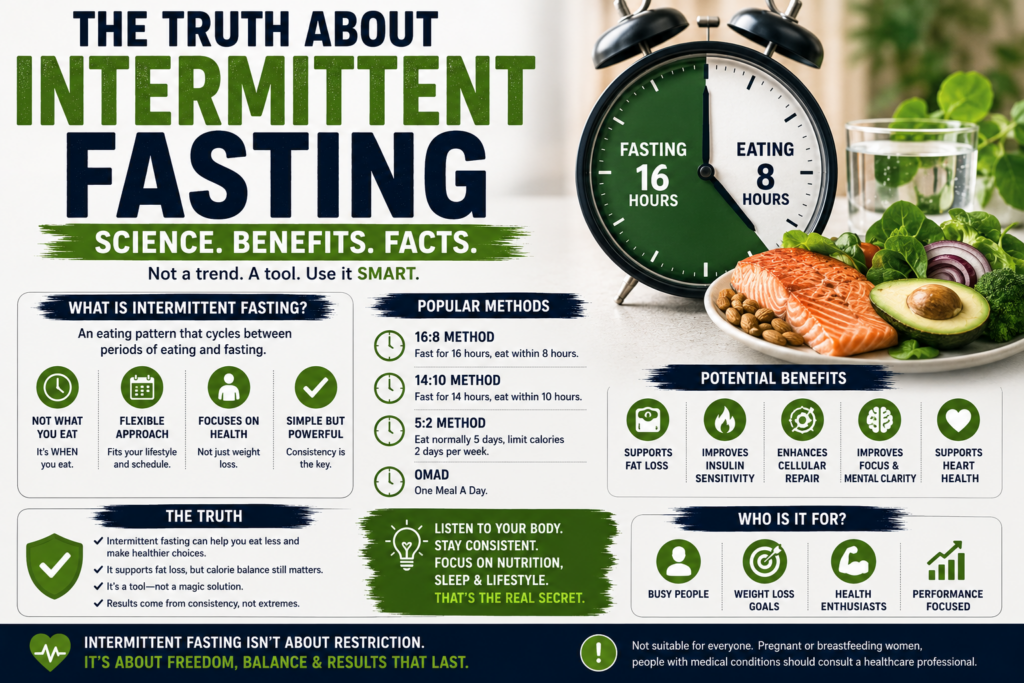
Intermittent fasting has become one of the most popular nutrition strategies in recent years.
Supporters often claim it provides unique fat-loss advantages beyond calorie reduction.
The scientific evidence suggests a more nuanced reality.
The Huberman-Norton discussion explored fasting and time-restricted eating in considerable detail.
Intermittent fasting can be effective because it reduces the number of hours available for eating.
When eating opportunities decrease, calorie intake often decreases as well.
For some individuals this creates a sustainable calorie deficit.
However, fasting is not necessarily superior to traditional calorie restriction when calories and protein are matched.
Its effectiveness depends largely on adherence.
Some people thrive on fasting.
Others become hungry, irritable, and prone to overeating.
The best dietary approach is the one you can maintain consistently.
Artificial Sweeteners And The Reality Behind The Fear
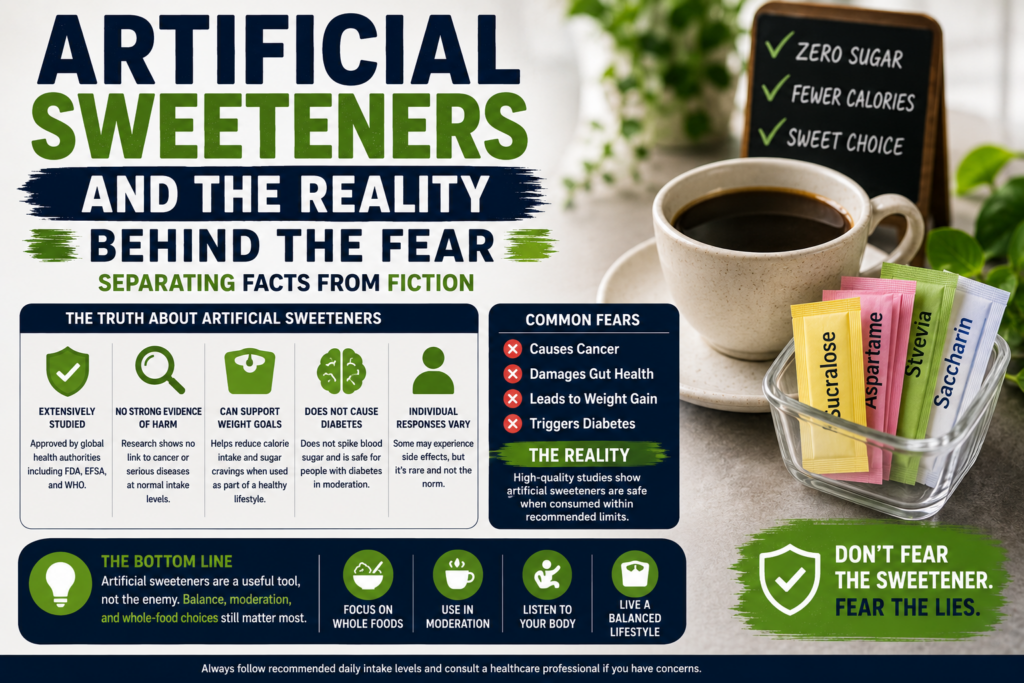
Artificial sweeteners remain one of the most controversial subjects in nutrition.
Many people worry about:
- Cancer risk
- Blood sugar problems
- Insulin resistance
- Gut microbiome disruption
- Weight gain
Dr. Norton takes a practical evidence-based perspective.
According to the discussion, replacing sugar-sweetened beverages with artificially sweetened beverages consistently improves important health outcomes.
Research shows improvements in:
- Body weight
- Adiposity
- Blood sugar control
- Calorie intake
One of the most striking examples involved individuals losing massive amounts of weight simply by replacing sugary drinks with diet alternatives.
For someone consuming multiple sugary soft drinks daily, this single change can eliminate hundreds of calories.
That calorie reduction alone may produce significant fat loss.
What The Research Says About Blood Sugar
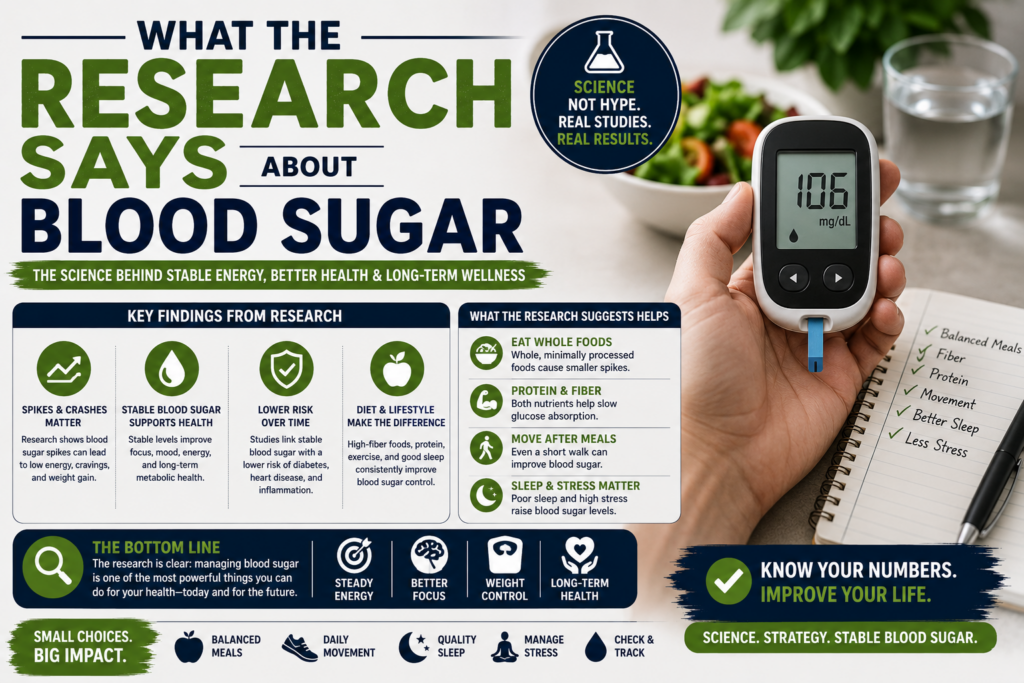
Artificial sweeteners are not all identical.
Different compounds affect the body differently.
According to the discussion:
- Aspartame appears to have little impact on blood sugar or insulin.
- Stevia appears largely neutral.
- Saccharin and sucralose have mixed findings depending on study design.
The key takeaway is that many alarming headlines arise from studies with methodological limitations.
When evaluating nutrition science, context matters.
A single study rarely provides definitive answers.
The totality of evidence is far more important.
Gut Health And The Microbiome
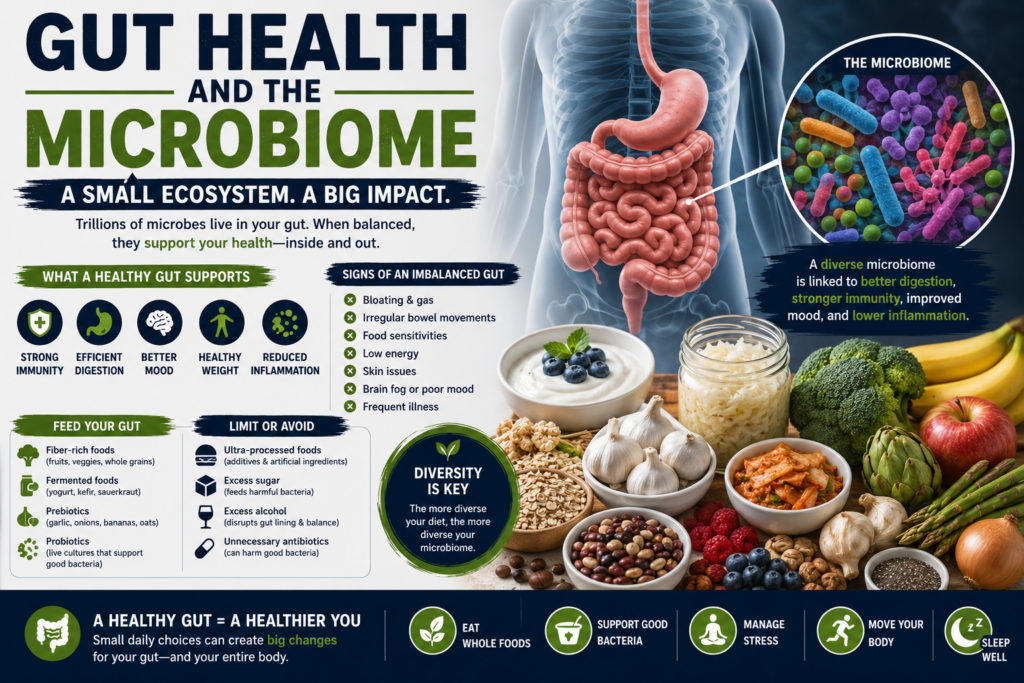
The human gut contains trillions of microorganisms collectively known as the microbiome.
These bacteria influence:
- Digestion
- Immune function
- Metabolism
- Nutrient absorption
- Inflammation
The discussion highlighted an important point.
Scientists still do not fully agree on what constitutes the ideal microbiome.
While diversity appears beneficial, there is no universally accepted blueprint for a perfect gut ecosystem.
This uncertainty is important because many products and services claim to optimize the microbiome despite limited evidence.
The best-supported strategies for gut health remain surprisingly simple:
- Eat fiber-rich foods
- Consume fruits and vegetables
- Exercise regularly
- Manage stress
- Sleep adequately
- Maintain a healthy body weight
These habits consistently correlate with better metabolic and digestive health.
The Importance Of Fiber
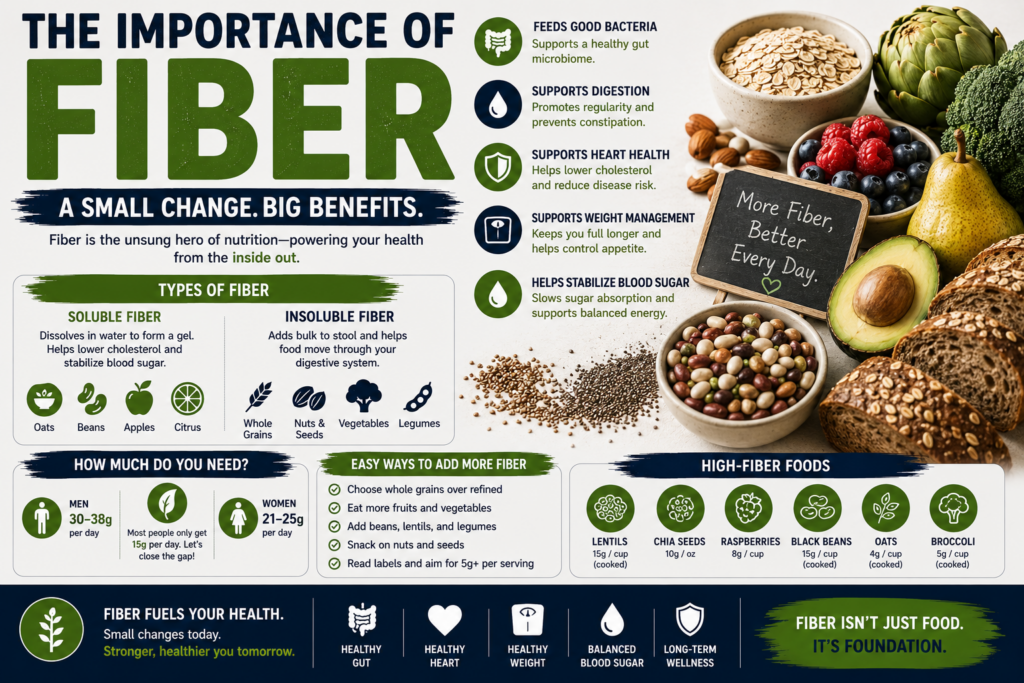
Fiber is one of the most underrated nutrients.
Unlike protein, fiber receives relatively little attention despite its profound health benefits.
Adequate fiber intake supports:
- Digestive health
- Blood sugar regulation
- Satiety
- Cholesterol reduction
- Microbiome diversity
Many people focus on eliminating foods.
A more productive approach is adding beneficial foods.
Increasing:
- Vegetables
- Fruits
- Beans
- Lentils
- Whole grains
often improves diet quality dramatically without requiring extreme restrictions.
Comparing Popular Diets
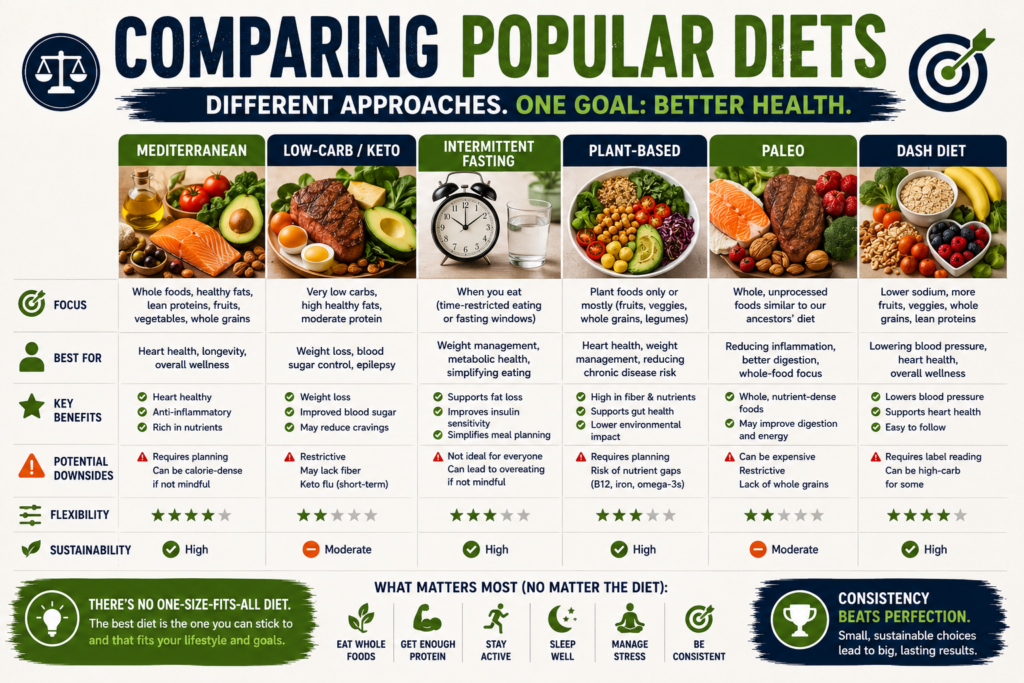
One of the strengths of the discussion was its balanced evaluation of popular eating styles.
Ketogenic Diets
Keto diets can reduce appetite and help some individuals maintain calorie deficits.
However, they are not inherently superior for fat loss when calories are matched.
Vegan Diets
Vegan diets can provide excellent health outcomes when properly planned.
Special attention must be paid to protein quality and essential nutrients.
Carnivore Diets
Carnivore diets may simplify eating and increase satiety through high protein intake.
However, long-term research remains limited.
Mediterranean Diets
Mediterranean-style eating patterns have some of the strongest evidence supporting long-term health.
These diets emphasize:
- Fruits
- Vegetables
- Olive oil
- Fish
- Whole grains
- Legumes
Omnivorous Diets
Balanced omnivorous diets remain highly effective when focused on nutrient-dense foods and appropriate calorie intake.
The common thread among successful diets is consistency rather than ideology.
Why Sustainability Beats Perfection
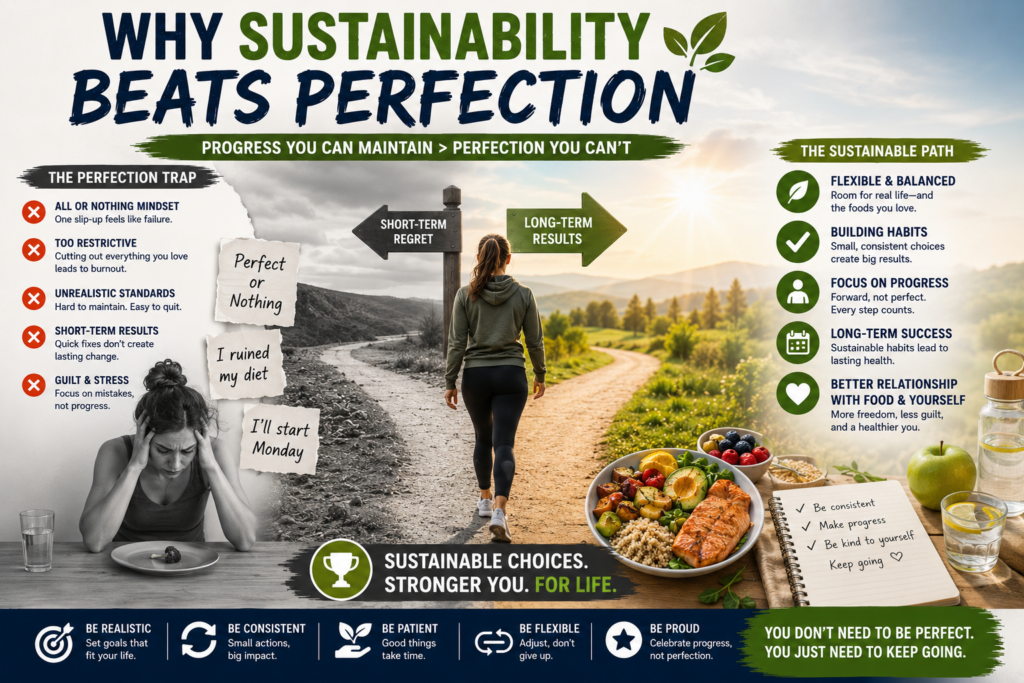
One of the biggest mistakes people make is pursuing perfect nutrition.
Perfection is unnecessary.
Sustainability matters more.
The best diet is not the diet that looks best on paper.
The best diet is the one you can follow consistently for years.
This means considering:
- Food preferences
- Lifestyle
- Family obligations
- Work schedule
- Social events
A moderately effective diet followed consistently will outperform the perfect diet abandoned after three weeks.
Supplements That Actually Matter
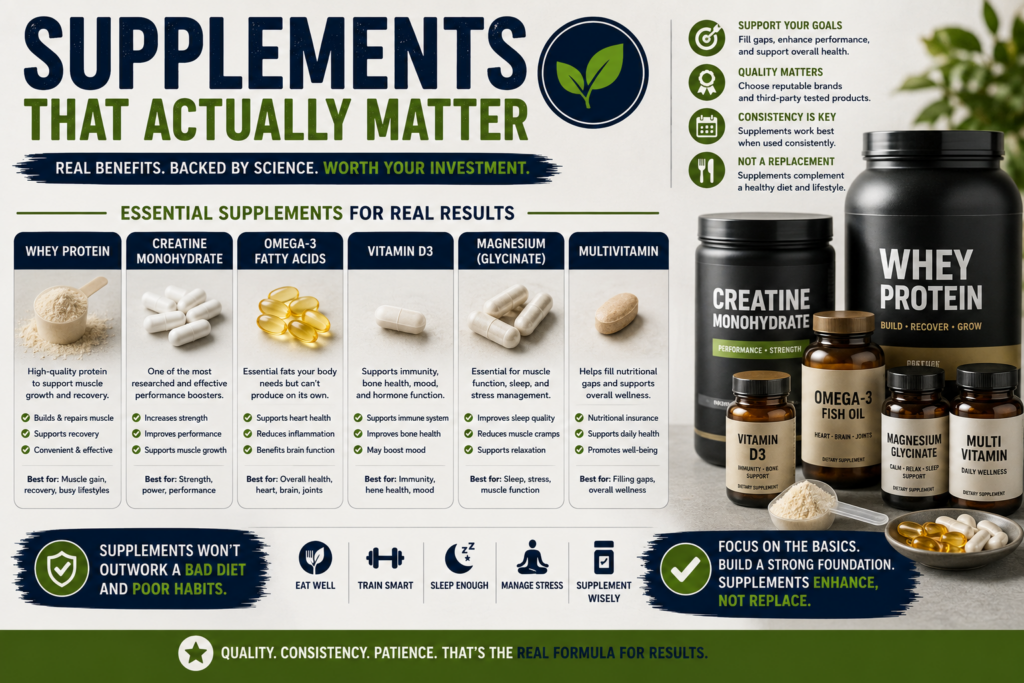
The supplement industry generates billions of pounds every year.
Unfortunately, many products offer little measurable benefit.
The discussion emphasized focusing on supplements supported by strong scientific evidence.
Supplements should complement good nutrition, not replace it.
The foundation should always be:
- Adequate protein
- Proper calorie intake
- Strength training
- Sleep
- Stress management
Only after those areas are addressed should supplementation become a priority.
Many people spend hundreds of pounds on supplements while neglecting basic habits that would provide significantly greater results.
Why Exercise Remains Essential
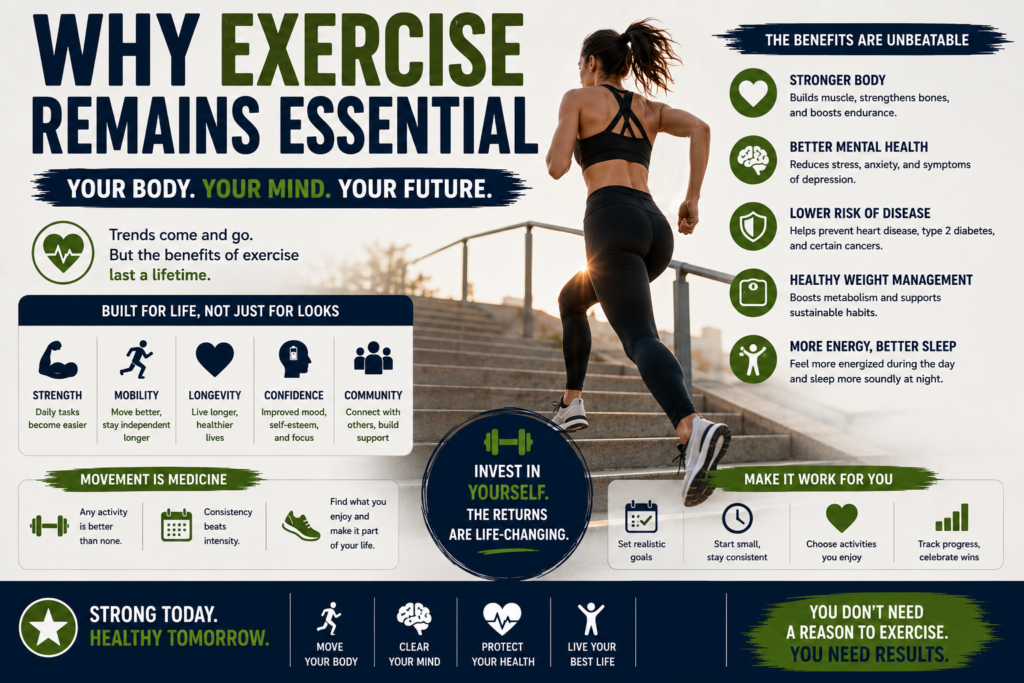
Nutrition drives body composition.
Exercise enhances it.
Dr. Norton makes an important observation regarding biological responses.
Many healthy activities produce temporary stress responses.
Exercise increases:
- Heart rate
- Blood pressure
- Inflammation
- Oxidative stress
Yet exercise improves long-term health dramatically.
This illustrates why short-term biological responses should not automatically be interpreted as harmful.
The body adapts.
The long-term outcome matters far more than the immediate response.
Strength training remains one of the most effective tools for:
- Muscle retention
- Metabolic health
- Functional strength
- Healthy aging
Combining resistance training with sound nutrition produces the best overall results.
Avoiding Nutrition Extremes
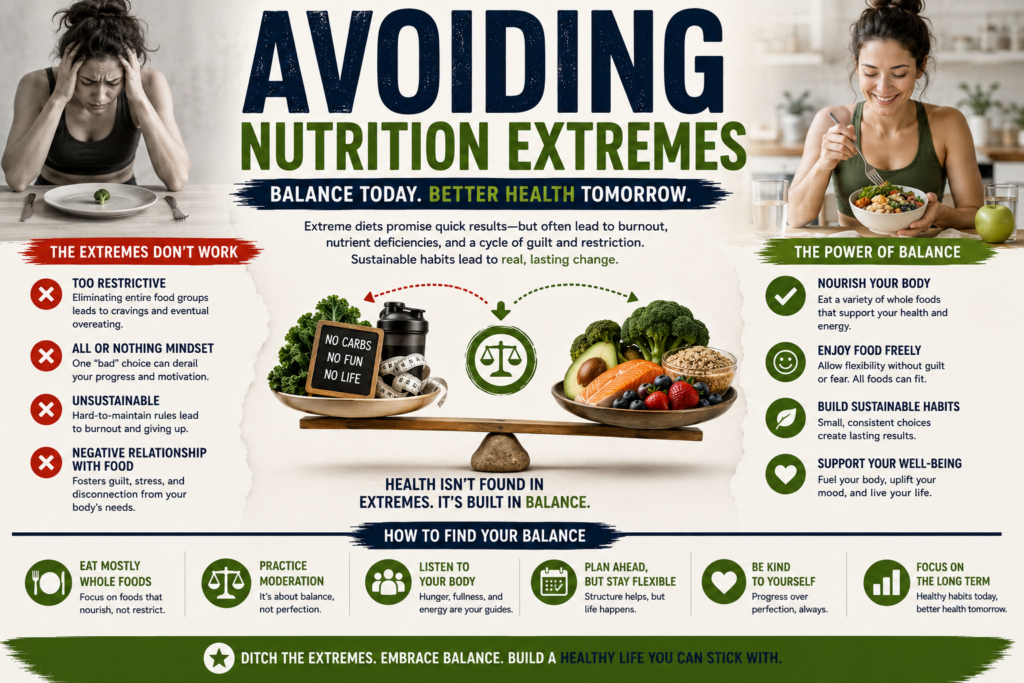
The nutrition world often promotes extreme thinking.
Foods become labeled as:
- Toxic
- Dangerous
- Miracle foods
- Superfoods
Reality is usually more moderate.
Most health outcomes result from overall dietary patterns rather than individual foods.
Eating a balanced diet rich in minimally processed foods while maintaining appropriate calorie intake will outperform obsessive dietary perfectionism.
Consistency beats intensity.
Moderation beats extremism.
Science beats ideology.
The Most Effective Nutrition Strategy For Most People
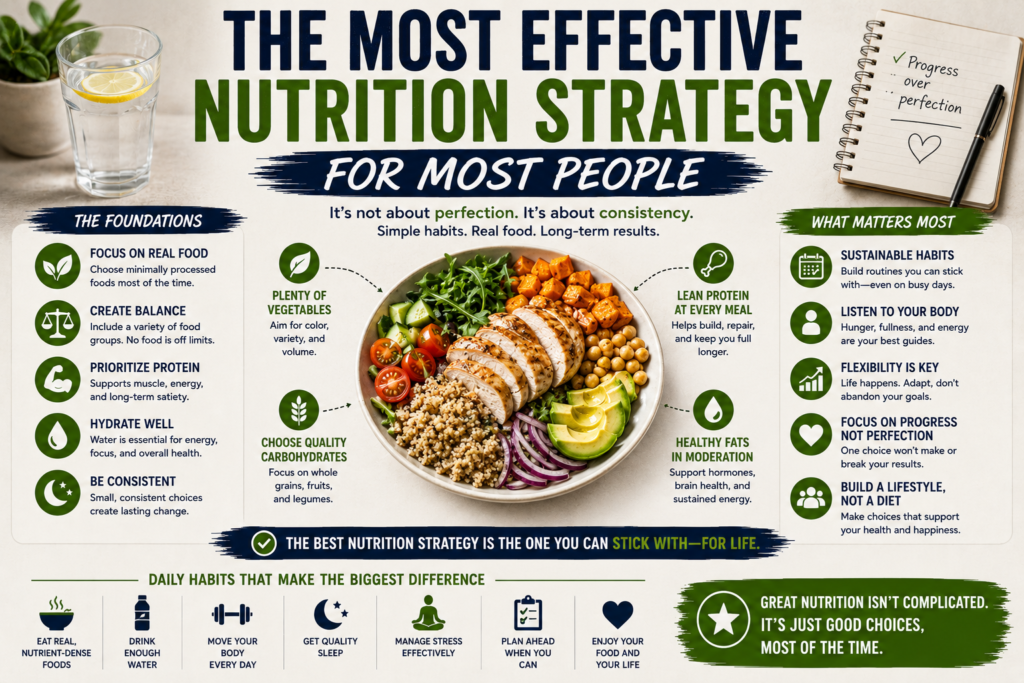
If we simplify everything discussed in the Huberman and Norton conversation into a practical framework, it would look something like this:
- Prioritize protein.
- Maintain a calorie intake aligned with your goals.
- Strength train regularly.
- Eat plenty of fruits and vegetables.
- Consume adequate fiber.
- Sleep seven to nine hours per night.
- Stay physically active.
- Use artificial sweeteners strategically if they help adherence.
- Avoid unnecessary dietary extremes.
- Focus on long-term consistency.
These principles may not sound revolutionary.
That is precisely why they work.
The fundamentals have remained remarkably consistent despite decades of nutrition debate.
Building A Healthier Future Through Evidence Based Nutrition
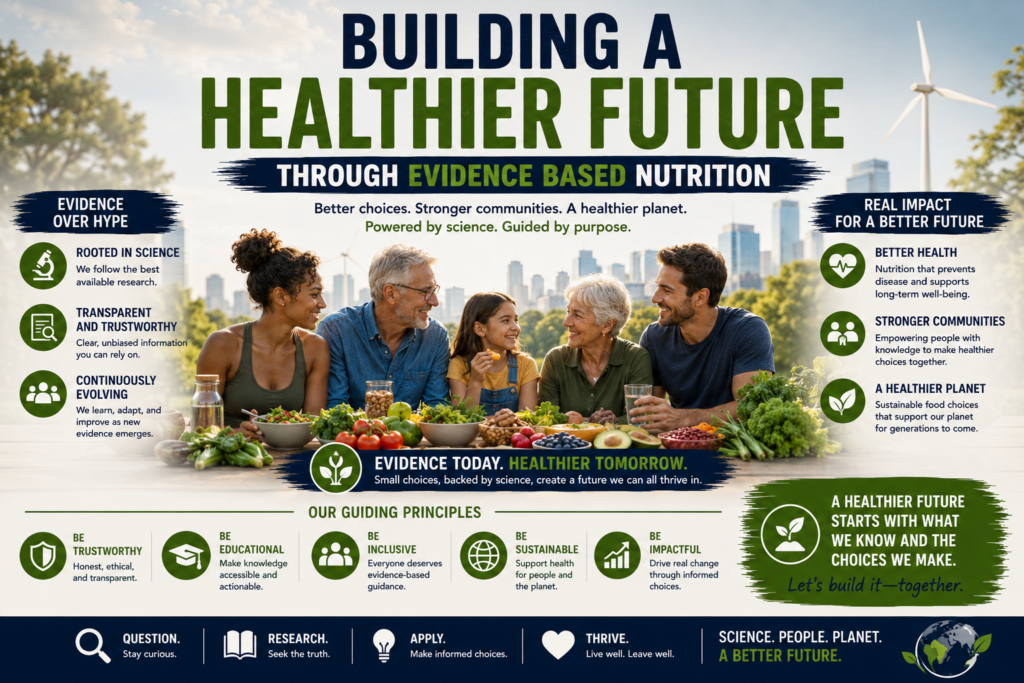
The modern nutrition landscape is crowded with misinformation, marketing claims, and ideological battles.
Yet when you examine the highest-quality scientific evidence, a clear picture emerges.
Successful nutrition is not about finding the perfect diet.
It is about creating sustainable habits that support your goals.
Protein intake matters.
Calorie balance matters.
Resistance training matters.
Food quality matters.
Sleep matters.
Consistency matters most of all.
The science discussed by Andrew Huberman and Dr. Layne Norton reminds us that effective nutrition does not require complicated rules or extreme restrictions. Instead, long-term success comes from understanding the fundamentals, applying them consistently, and making decisions based on evidence rather than hype.
By focusing on these proven principles, you can improve your health, lose excess body fat, build lean muscle, and create a sustainable lifestyle that serves you for years to come.
Disclaimer
The information provided in this article is for educational and informational purposes only. While every effort has been made to ensure accuracy, the content is not intended to replace professional medical, nutritional, fitness, or healthcare advice.
The views and concepts discussed are based on publicly available information, scientific research, expert opinions, and interpretations of the topics covered. Individual health needs, dietary requirements, and fitness goals vary from person to person, and results may differ.
Before making significant changes to your diet, exercise routine, supplementation, or lifestyle habits, you should consult with a qualified healthcare professional, registered dietitian, physician, or other appropriate medical expert.
The author and publisher assume no responsibility for any loss, injury, or damage resulting from the use of information contained in this article. Readers are encouraged to conduct their own research and make informed decisions based on their individual circumstances.
By reading this article, you acknowledge that any actions you take based on the information provided are done at your own discretion and risk.ented in this article.