
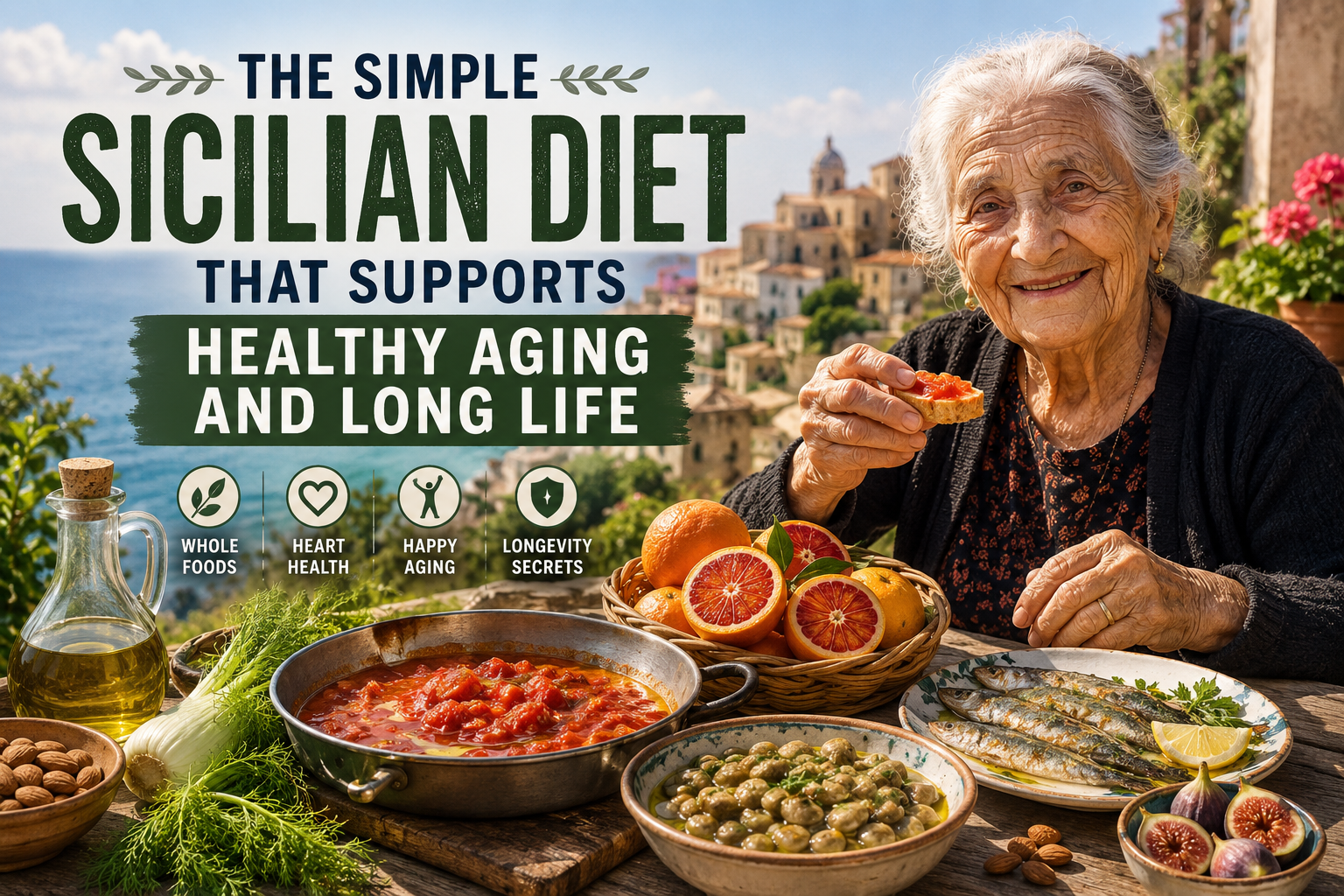
People around the world have long been fascinated by individuals who live well into their nineties and beyond. While modern medicine has extended life expectancy, there are still certain regions where remarkable longevity appears to be woven into everyday life. One such place is Sicily, particularly the inland province of Ragusa, where generations of residents have routinely reached advanced ages while maintaining their independence and vitality.
Among these remarkable individuals is Concetta Ferrara, a woman who celebrated her ninety-sixth birthday while still walking daily to her local market, carrying her groceries home, and enjoying a lifestyle that has barely changed for decades. What makes her story extraordinary is not simply her age. It is the fact that medical testing revealed biological markers more commonly associated with someone thirty years younger.
Her story is not unique. Across parts of Sicily, researchers have documented unusually high numbers of centenarians and nonagenarians who continue to live active lives. Their secret is not hidden in expensive supplements, complicated diets, or cutting-edge medical treatments. Instead, it lies in a traditional way of eating known as cucina povera, or the “poor kitchen.”
Ironically, this simple approach to food may be one of the richest longevity traditions on Earth.
The Forgotten Longevity Corridor Of Sicily
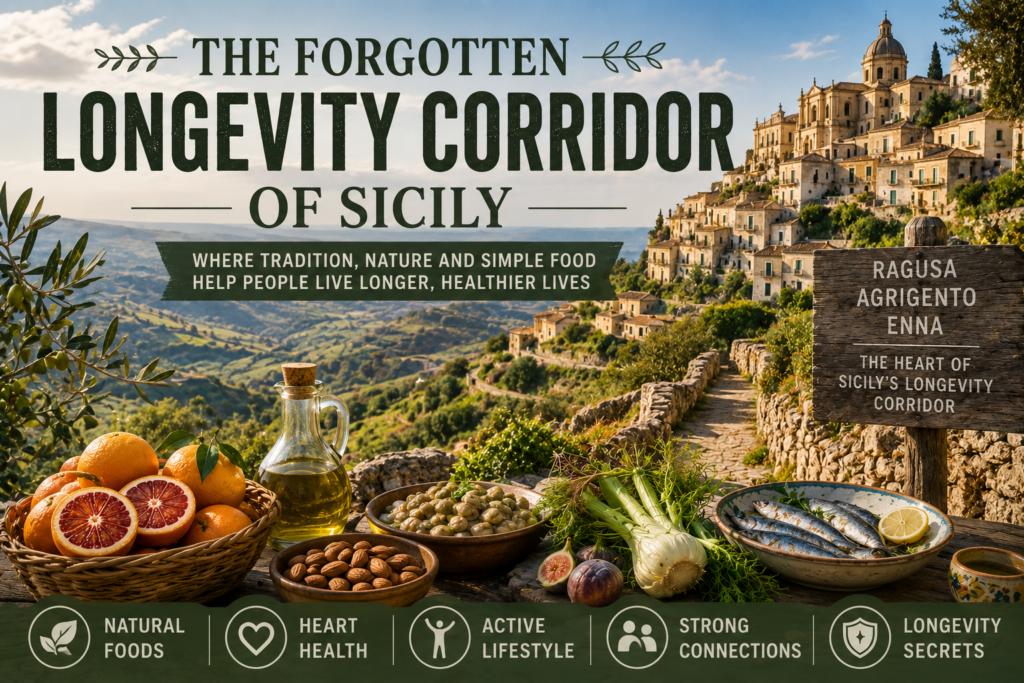
When people discuss longevity hotspots, they often mention places like Okinawa in Japan or the Blue Zones of Sardinia. However, fewer people know about Sicily’s longevity corridor stretching through the provinces of Ragusa and Agrigento.
For decades, demographic data has shown that these regions consistently produce unusually high numbers of residents who live beyond ninety and one hundred years of age while remaining physically and mentally independent.
Unlike many modern health trends, this longevity pattern emerged naturally over centuries. The residents of inland Sicily did not intentionally create an anti-aging diet. They simply ate what was available.
The landscape shaped the menu. Economic hardship limited food choices. Traditional agriculture dictated what families could grow or afford. As a result, generations developed a dietary pattern centered on legumes, vegetables, olive oil, small fish, nuts, and seasonal fruits.
What is fascinating is that modern nutritional science has repeatedly confirmed that these same foods contain compounds associated with reduced inflammation, better cardiovascular health, improved metabolic function, healthier gut bacteria, and preserved muscle mass during aging.
In other words, the traditional Sicilian diet accidentally became one of the world’s most effective longevity diets.
The foundation of this eating pattern revolves around six simple foods:
- Cooked tomatoes in extra virgin olive oil
- Dried fava beans
- Sardines
- Blood oranges
- Fresh figs
- Almonds
These foods appear repeatedly in the kitchens of Sicilian centenarians and form the backbone of their daily meals.
Why Cooked Tomatoes And Olive Oil Are A Longevity Powerhouse
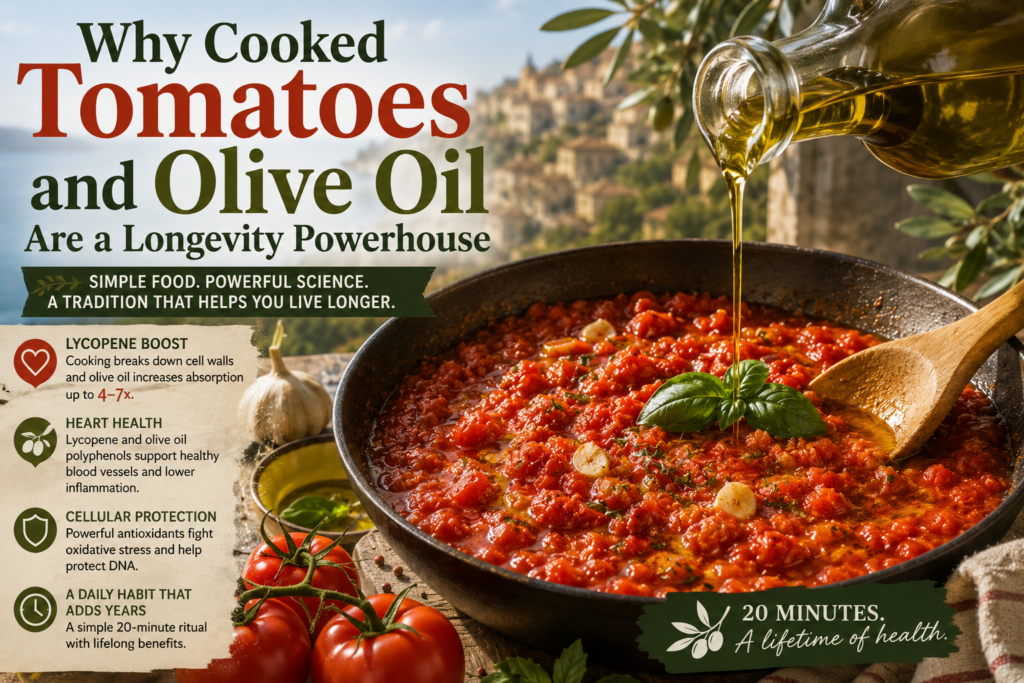
Perhaps the most important daily ritual among Sicilian centenarians is the preparation of tomatoes cooked slowly in extra virgin olive oil.
At first glance, this seems like an ordinary Mediterranean dish. However, science reveals why this simple combination is so powerful.
Tomatoes contain lycopene, a carotenoid responsible for their red color. Lycopene has been extensively studied for its ability to protect cells from oxidative damage and support cardiovascular health.
The problem is that raw tomatoes do not provide lycopene efficiently.
Lycopene is fat-soluble, meaning it requires dietary fat for proper absorption. It is also trapped within the cellular structure of the tomato itself.
Slow cooking breaks down these cell walls. Olive oil supplies the fat needed for absorption.
The result is dramatically improved bioavailability.
When Sicilian cooks slowly simmer tomatoes with olive oil for twenty minutes or more, they create a food that delivers far more usable lycopene than raw tomatoes ever could.
This daily tomato sauce is often eaten alongside vegetables, legumes, fish, bread, or eggs. It is not considered a special dish. It is simply part of everyday life.
Extra virgin olive oil contributes additional benefits.
Rich in oleic acid and polyphenols, olive oil has been linked to:
- Lower inflammation
- Better cardiovascular health
- Improved cholesterol profiles
- Reduced oxidative stress
- Enhanced cellular protection
For Sicilian centenarians, olive oil is not merely a cooking ingredient. It serves as the nutritional foundation upon which the rest of the diet is built.
Nearly every meal contains it.
This consistent daily exposure may explain why so many older Sicilians maintain healthy blood vessels and cardiovascular function well into advanced age.
The Role Of Fava Beans In Healthy Aging
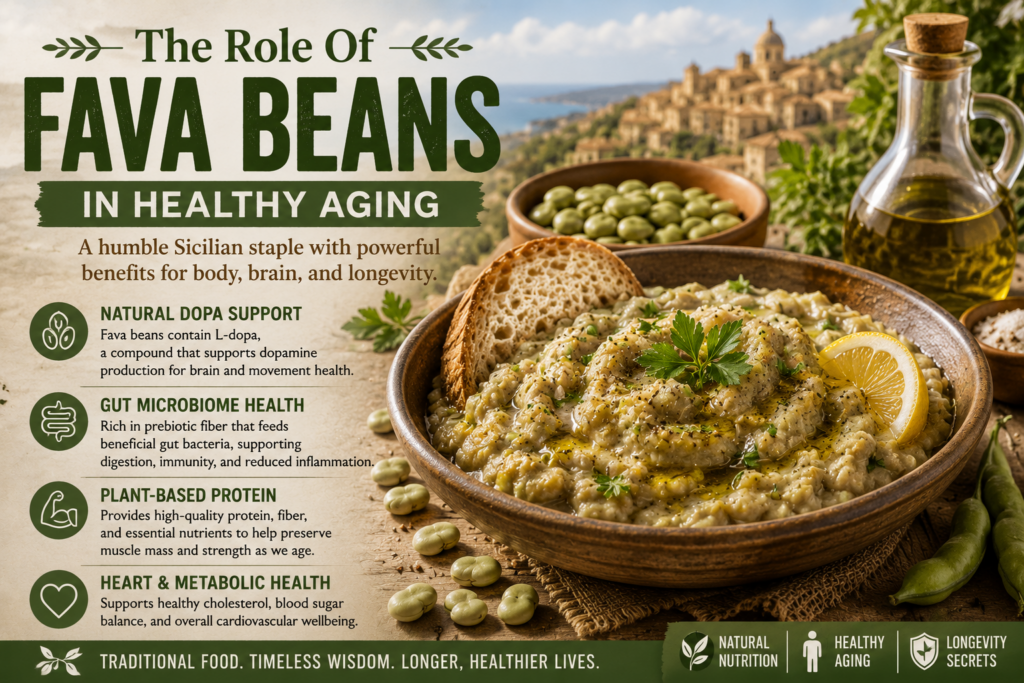
For centuries, dried fava beans have been one of Sicily’s most important staple foods.
Before modern refrigeration and food transportation, beans provided a reliable source of protein, fiber, and calories for working families.
Today, researchers are discovering that these humble legumes may play a significant role in healthy aging.
Traditional Sicilian fava bean dishes involve soaking dried beans overnight before simmering them into a thick, creamy puree known as macco di fave.
The preparation is simple:
- Soak overnight
- Simmer until soft
- Add olive oil
- Season with lemon, salt, and herbs
Despite their simplicity, fava beans contain an impressive nutritional profile.
They are rich in:
- Protein
- Fiber
- Folate
- Magnesium
- Potassium
- Polyphenols
Perhaps most interestingly, fava beans naturally contain L-dopa, a compound that converts into dopamine within the body.
Dopamine plays a crucial role in:
- Movement
- Coordination
- Motivation
- Mental sharpness
- Cognitive performance
Although the amount of L-dopa in fava beans is far lower than pharmaceutical levels used for Parkinson’s treatment, researchers continue to investigate whether long-term consumption contributes to better cognitive health.
Even more significant may be their impact on the gut microbiome.
Fava beans provide prebiotic fibers that feed beneficial gut bacteria. Studies involving long-lived Italians repeatedly show that centenarians tend to maintain far greater gut microbial diversity than average elderly adults.
This diversity appears strongly associated with:
- Better immunity
- Reduced inflammation
- Improved digestion
- Enhanced metabolic health
Legumes are consistently identified as one of the strongest dietary predictors of longevity.
For those unable to find fava beans, lentils, chickpeas, and other legumes offer many of the same benefits.
The key is frequency.
Sicilian centenarians typically consume legumes three to four times every week.
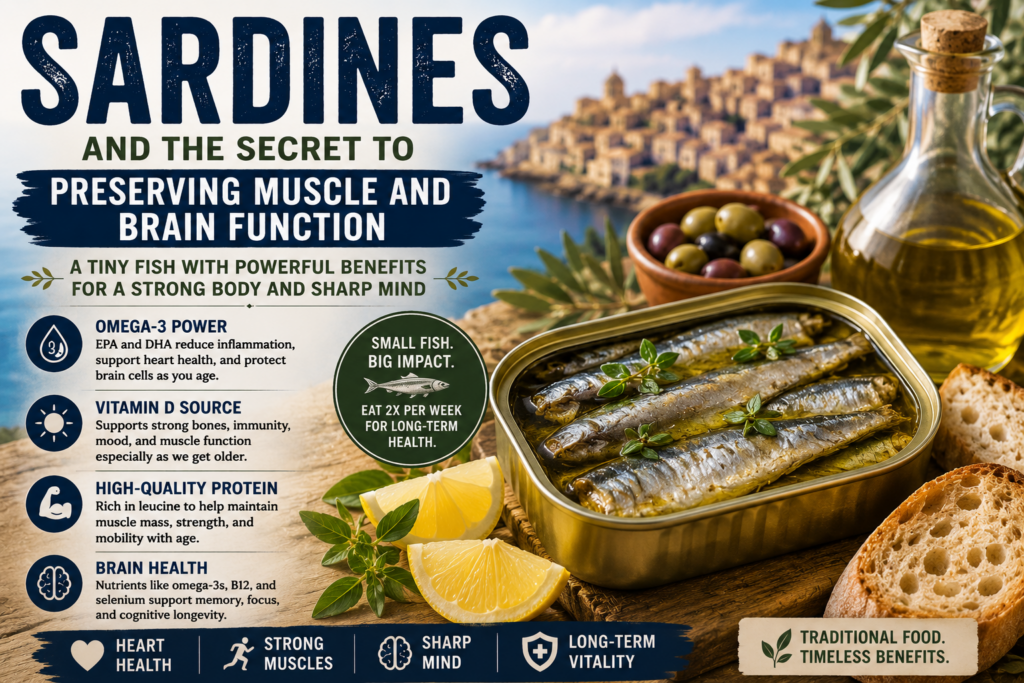
Sardines And The Secret To Preserving Muscle And Brain Function
One of the most overlooked longevity foods in the modern diet is sardines.
Many people focus on expensive salmon, tuna, or supplement capsules while ignoring one of the most nutrient-dense foods available.
Sicilian centenarians have been eating sardines for generations.
Fresh sardines are preferred when available, but canned sardines packed in olive oil are also widely consumed.
Importantly, canning preserves most of the nutrients that matter.
Sardines provide three critical components of healthy aging:
Omega-3 Fatty Acids
EPA and DHA omega-3 fats help regulate inflammation throughout the body.
Chronic inflammation is one of the major drivers of aging and age-related disease.
Regular omega-3 intake has been linked to:
- Improved heart health
- Better brain function
- Reduced inflammation
- Lower cardiovascular risk
Vitamin D
Vitamin D deficiency is common among older adults.
Sardines naturally provide vitamin D alongside supporting nutrients such as selenium and zinc.
Vitamin D supports:
- Immune function
- Bone health
- Muscle strength
- Hormonal balance
High Quality Protein
As people age, maintaining muscle mass becomes increasingly important.
Loss of muscle is strongly associated with:
- Frailty
- Falls
- Loss of independence
- Reduced quality of life
Sardines deliver highly bioavailable protein rich in leucine, an amino acid that stimulates muscle protein synthesis.
This makes sardines one of the most effective foods for preserving strength during aging.
For Sicilian centenarians, sardines are not a health food.
They are simply a normal part of life.
That consistency may be one of the biggest reasons they continue enjoying excellent physical function well into old age.
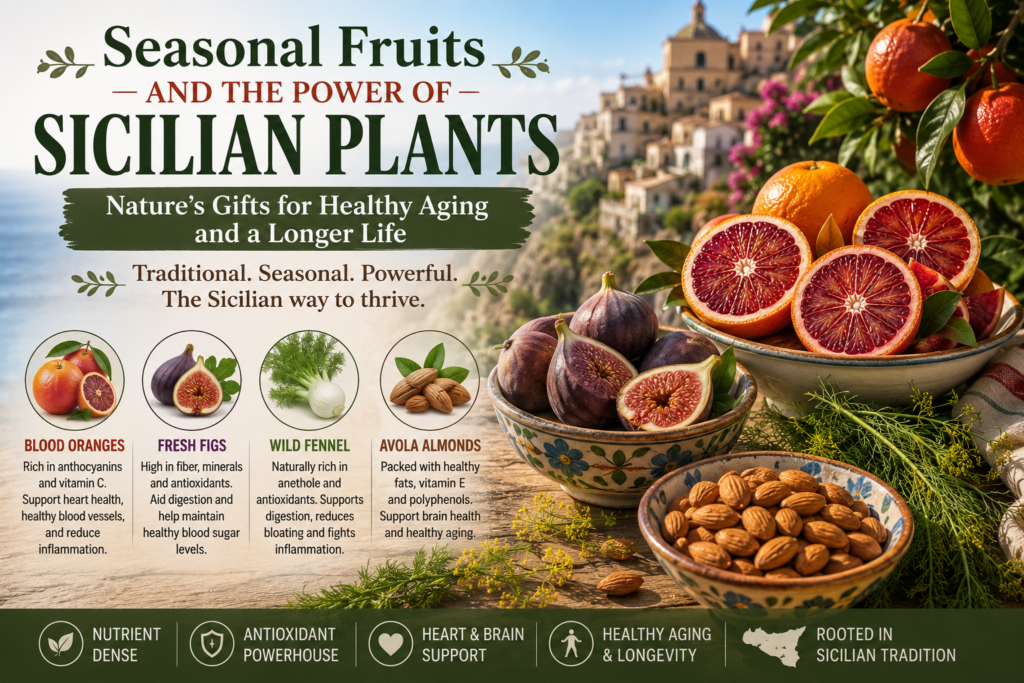
Seasonal Fruits And The Power Of Sicilian Plants
The Sicilian diet does not rely heavily on year-round fruit consumption.
Instead, it follows the seasons.
Two fruits stand out in particular.
Blood Oranges
Blood oranges thrive in Sicily’s unique climate, particularly around Mount Etna.
Their deep red color comes from anthocyanins, powerful antioxidants also found in berries.
Research suggests anthocyanins may help:
- Improve blood vessel function
- Reduce oxidative stress
- Support heart health
- Protect cognitive function
Sicilian centenarians often consume blood oranges throughout winter and spring.
Fresh Figs
During summer months, figs replace blood oranges.
Despite their sweetness, figs provide:
- Fiber
- Potassium
- Calcium
- Antioxidants
Their fiber content helps moderate blood sugar responses while supporting digestive health.
Wild Fennel
Wild fennel appears in countless Sicilian dishes.
Unlike cultivated varieties, wild fennel contains high concentrations of aromatic compounds and antioxidants.
It contributes flavor while potentially supporting digestion and reducing inflammation.
Almonds
A small dish of almonds frequently sits on the kitchen table of Sicilian households.
These nuts provide:
- Healthy fats
- Vitamin E
- Magnesium
- Polyphenols
- Protein
Research consistently links nut consumption with reduced mortality and improved cardiovascular health.
Most centenarians consume a modest handful daily rather than large portions.
The lesson here is not about eating enormous quantities.
It is about consistent exposure to nutrient-rich foods over many decades.
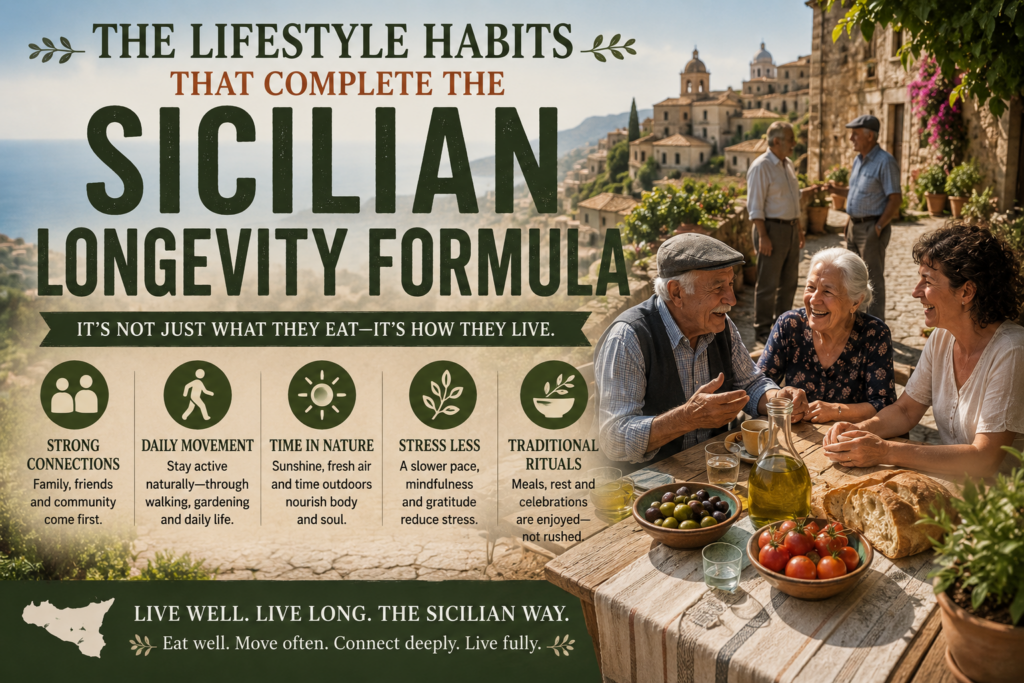
The Lifestyle Habits That Complete The Sicilian Longevity Formula
Food alone does not explain the remarkable longevity observed in Sicily.
The lifestyle surrounding the food matters just as much.
One striking example is the weekly market routine.
For people like Concetta, visiting the market is more than shopping.
It involves:
- Walking
- Carrying groceries
- Climbing stairs
- Social interaction
- Mental engagement
Researchers repeatedly find that these forms of natural movement may be more beneficial than structured exercise programs that people struggle to maintain.
Centenarians rarely think of themselves as exercising.
Instead, movement is naturally integrated into everyday life.
Another important factor is social connection.
Market visits create opportunities for conversation and community interaction.
Social isolation is increasingly recognized as a major risk factor for poor health and early mortality.
Strong social relationships contribute to:
- Better mental health
- Reduced stress
- Lower inflammation
- Improved cognitive resilience
The Sicilian lifestyle also avoids one common modern habit.
Protein is distributed throughout the day rather than concentrated into a single evening meal.
Many modern adults eat minimal protein at breakfast and lunch before consuming a large protein-heavy dinner.
Sicilian centenarians typically consume small amounts of protein several times daily.
This pattern appears particularly effective for preserving muscle mass as people age.
A typical day might include:
- Eggs in the morning
- Legumes at lunch
- Almonds in the afternoon
- Fish later in the day
- Small amounts of cheese in the evening
This steady distribution may help support muscle maintenance more effectively than one large protein intake.
How To Follow The Sicilian Centenarian Diet In Your Own Life
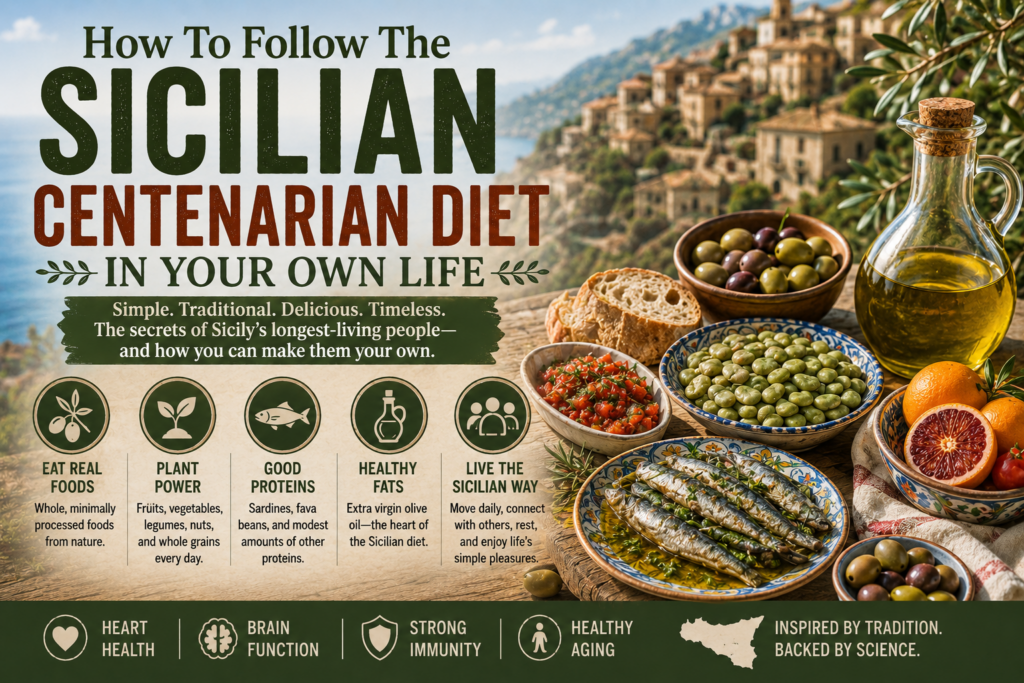
The beauty of the Sicilian longevity diet is its simplicity.
You do not need exotic ingredients or expensive supplements.
You can begin with a few straightforward changes.
Week One
Cook tomatoes in extra virgin olive oil every day.
Simmer crushed tomatoes with two tablespoons of olive oil for twenty minutes and enjoy them alongside meals.
Week Two
Add sardines twice weekly.
Choose fresh sardines when available or canned sardines packed in olive oil.
Week Three
Introduce legumes three times weekly.
Fava beans are traditional, but lentils, chickpeas, and other legumes work well.
Week Four
Add a daily handful of almonds.
Keep them visible and easily accessible.
Week Five
Include seasonal fruits and herbs.
Choose blood oranges when available and fresh figs during summer months.
Add fennel to meals whenever possible.
The goal is not perfection.
The goal is consistency.
The Sicilian centenarians did not achieve longevity by following a strict program for a few months.
They followed simple habits for decades.
That is the true lesson from Ragusa.
The foods themselves matter. The nutrients matter. The science matters.
But perhaps the most powerful lesson is that longevity often comes from ordinary actions repeated consistently over a lifetime.
A pot of tomatoes slowly simmering in olive oil.
A bowl of beans soaked overnight.
A can of sardines opened for lunch.
A handful of almonds in the afternoon.
A walk to the market.
A conversation with a neighbor.
These habits may seem small on their own.
Together, they create a lifestyle that has helped generations of Sicilians live longer, healthier, and more independent lives. In a world obsessed with complicated solutions, the longevity secrets of Sicily remind us that sometimes the simplest traditions are the most powerful.
Disclaimer
The information provided in this article is for educational and informational purposes only. While every effort has been made to ensure accuracy, the content is not intended to replace professional medical, nutritional, fitness, or healthcare advice.
The views and concepts discussed are based on publicly available information, scientific research, expert opinions, and interpretations of the topics covered. Individual health needs, dietary requirements, and fitness goals vary from person to person, and results may differ.
Before making significant changes to your diet, exercise routine, supplementation, or lifestyle habits, you should consult with a qualified healthcare professional, registered dietitian, physician, or other appropriate medical expert.
The author and publisher assume no responsibility for any loss, injury, or damage resulting from the use of information contained in this article. Readers are encouraged to conduct their own research and make informed decisions based on their individual circumstances.
By reading this article, you acknowledge that any actions you take based on the information provided are done at your own discretion and risk.ented in this article.