
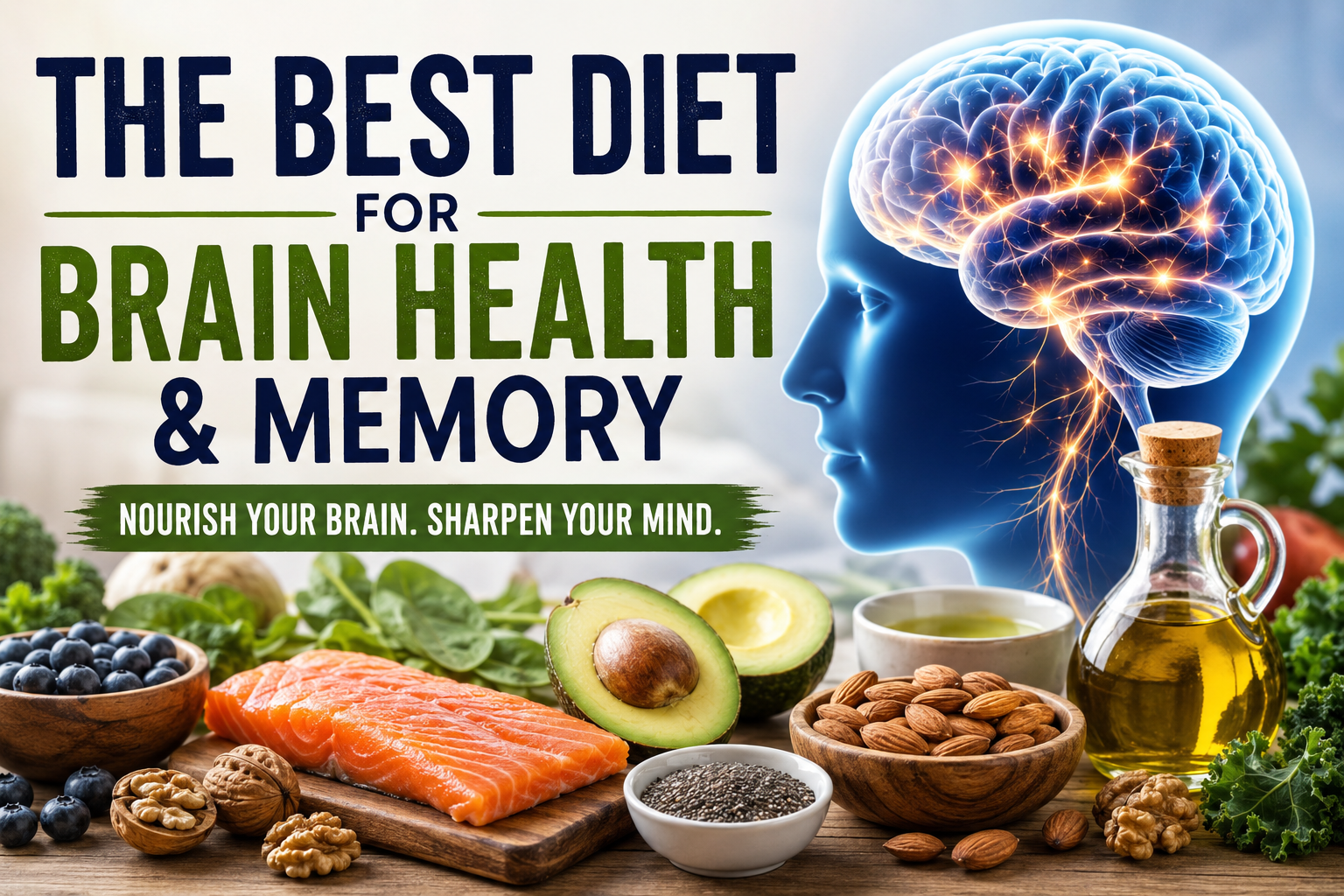
Your brain controls every aspect of your life. From your ability to think clearly and stay focused to your memory, emotions, productivity, and decision-making, everything depends on the health of your brain and nervous system. Yet many people spend more time thinking about diets for weight loss or physical appearance than they do about nutrition for cognitive performance and long-term brain health.
Modern science is now revealing something incredibly important. The foods we eat do not just provide energy for the body. They also provide the structural building blocks for the very brain cells that allow us to think, learn, remember, and function effectively every day. Certain nutrients can support neuron health, improve communication between brain cells, enhance focus, and even help protect against cognitive decline over time.
At the same time, poor dietary habits, chronic inflammation, lack of sleep, and unhealthy lifestyle choices may slowly damage brain function and reduce mental clarity. Many people experience symptoms like brain fog, poor concentration, low motivation, and memory problems without realizing that nutrition may be playing a major role.
The good news is that the brain responds remarkably well to positive lifestyle changes. By eating the right foods, improving cardiovascular health, getting quality sleep, staying physically active, and supporting the body with essential nutrients, it may be possible to improve mental performance and support long-term cognitive health.
In this article, we will explore the best diet for brain health and memory, including the foods, nutrients, and habits that research suggests can help optimize focus, cognitive performance, emotional well-being, and overall brain function.
Why Your Brain Depends On What You Eat
Every single thought you have, every memory you create, every emotion you feel, and every movement you make depends on the health of your brain and nervous system. Most people understand that food affects body weight and physical health, but far fewer truly understand that nutrition also directly shapes the structure and performance of the human brain.
The reality is simple. The foods you eat today help determine how well your brain functions tomorrow.
Modern science now clearly shows that nutrition plays a major role in focus, memory, mental clarity, mood, cognitive performance, and long-term brain health. Researchers have discovered that certain foods can support neuron function, strengthen the integrity of brain cells, reduce inflammation, improve blood flow to the brain, and even help lower the risk of cognitive decline later in life.
At the same time, poor dietary habits can gradually damage the systems responsible for concentration, learning, memory retention, and emotional stability.
Your brain is not isolated from the rest of your body. It is connected to every organ, every nerve pathway, and every system that keeps you alive. This means the quality of your nutrition influences far more than your waistline. It influences your ability to think clearly, stay motivated, maintain emotional balance, and perform at your best mentally.
The fascinating part is that your brain is built from the nutrients you consume. The structural foundations of neurons themselves come directly from your diet. This means the food on your plate is not just fuel. It is construction material for your nervous system.
Many people spend years trying to improve productivity, motivation, focus, and memory without first addressing the biological foundation behind those abilities. Yet no supplement, productivity technique, or motivational strategy can fully compensate for poor nutrition over the long term.
If you want better mental performance, sharper focus, stronger memory, and long-term cognitive protection, your diet matters enormously.
We are going to explore the best diet for brain health and memory based on scientific understanding of how nutrition affects the brain. We will look at the foods that directly support neuron function, the nutrients your brain desperately needs, the lifestyle habits that improve cognitive performance, and the dietary patterns that may help preserve mental sharpness as you age.
The goal is not perfection. The goal is building a brain that functions at its highest potential for as long as possible.
The Brain Is Built From What You Eat
Most people think of the brain primarily as an electrical organ. While that is true to some extent, the brain is also a physical structure made from nutrients, fats, proteins, minerals, water, and other biological components.
Your neurons, the nerve cells responsible for thinking, memory, focus, and communication throughout the nervous system, rely heavily on structural fats to maintain their integrity.
One of the biggest misconceptions about fat is that all fats are harmful. In reality, certain fats are absolutely essential for human survival and optimal brain performance.
The brain itself is composed largely of fat. Not the same kind of fat stored around the stomach or organs, but structural fats that form the membranes surrounding neurons and support communication between brain cells.
These neuronal membranes are incredibly important because they regulate how signals travel throughout the nervous system. Every thought, movement, emotion, and memory depends on the proper functioning of these cells.
Without the right nutritional building blocks, neuron function can suffer.
This is why essential fatty acids are so important.
Omega 3 fatty acids, particularly EPA and DHA, play a major role in supporting brain health, mood, cognitive performance, and memory. Research increasingly shows that many people do not consume enough Omega 3 fats in their daily diet.
At the same time, modern diets are often overloaded with processed foods, excessive sugar, unhealthy oils, and inflammatory ingredients that may negatively impact brain function over time.
Your brain requires quality raw materials.
The healthier those raw materials are, the better your brain is able to function.
This is one reason why highly processed diets often leave people feeling mentally sluggish, emotionally unstable, unfocused, and low in energy. The body may technically be receiving calories, but the brain may still be lacking critical nutrients needed for optimal performance.
When you consistently feed your brain nutrient-dense foods rich in healthy fats, antioxidants, vitamins, and minerals, you create a stronger biological environment for mental clarity and long-term cognitive health.
Omega 3 Fatty Acids And Brain Function
If there is one nutrient group consistently linked to better brain health, it is Omega 3 fatty acids.
Omega 3s are considered essential fats because the body cannot produce them efficiently on its own. They must come from food or supplementation.
Two of the most important forms are EPA and DHA.
These fatty acids contribute directly to the structure and flexibility of neuron membranes. They also support communication between brain cells and help regulate inflammation within the nervous system.
Research has associated higher Omega 3 intake with improvements in mood, concentration, cognitive performance, and long-term brain protection.
Some studies even suggest that adequate Omega 3 consumption may help support individuals dealing with depression and emotional instability.
One reason Omega 3s are so valuable is because they help maintain the health and fluidity of neuronal membranes. When these membranes function properly, communication throughout the brain becomes more efficient.
This matters because your brain is constantly sending electrical and chemical signals throughout the nervous system every second of the day.
Poor membrane integrity can negatively affect this communication process.
Foods naturally rich in Omega 3s include:
- Salmon
- Sardines
- Mackerel
- Herring
- Anchovies
- Oysters
- Tuna
- Caviar
- Chia seeds
- Walnuts
- Flaxseeds
- Soybeans
- Hemp seeds
Many experts now recommend aiming for meaningful Omega 3 intake consistently throughout the week.
For people who do not regularly eat fish or seafood, supplementation may become useful.
Fish oil supplements, algae-based Omega 3 supplements, and krill oil are commonly used options.
However, whole food sources remain highly valuable because they also contain additional nutrients beneficial for brain function, including minerals, amino acids, and antioxidants.
One of the most important things to understand is consistency.
Eating healthy occasionally is not enough.
The brain responds best to long-term dietary patterns rather than temporary short-term improvements.
Sleep Exercise And Brain Health
Although nutrition plays a major role in brain function, diet alone cannot fully optimize cognitive performance.
Two other factors are absolutely critical:
- Sleep
- Cardiovascular exercise
Without proper sleep, even the best diet in the world cannot fully protect brain performance.
Sleep is when the brain repairs itself, consolidates memories, regulates emotional processing, and clears waste products from neural tissue.
Chronic sleep deprivation has been linked to:
- Poor concentration
- Memory problems
- Reduced learning ability
- Mood instability
- Increased stress hormones
- Higher risk of cognitive decline
Your brain requires deep restorative sleep regularly to function properly.
Many people underestimate how damaging long-term sleep deprivation can become.
Similarly, cardiovascular exercise has profound benefits for brain health.
The brain consumes enormous amounts of oxygen and nutrients delivered through blood circulation. Healthy cardiovascular function improves blood flow to the brain, supporting neuron health and cognitive performance.
Exercise has also been associated with increased production of brain-derived neurotrophic factor, often called BDNF.
BDNF helps support neuron growth, repair, and adaptability.
Regular cardiovascular exercise may help improve:
- Focus
- Memory
- Mental clarity
- Mood
- Learning capacity
- Long-term brain resilience
General recommendations often suggest around 150 to 180 minutes of cardiovascular exercise weekly.
Walking, cycling, swimming, jogging, rowing, and other aerobic activities can all contribute positively.
The combination of quality sleep, consistent exercise, and nutrient-rich foods creates a powerful foundation for brain health.
The Best Foods For Memory And Cognitive Performance
Certain foods appear repeatedly in scientific discussions surrounding cognitive health and memory performance.
These foods tend to share common characteristics:
- High nutrient density
- Anti-inflammatory properties
- Rich antioxidant content
- Healthy fats
- Support for blood flow and neuron function
Here are some of the most powerful brain-supporting foods.
Fatty Fish
Fatty fish remains one of the best brain foods available due to its rich Omega 3 content.
Salmon, sardines, mackerel, herring, and anchovies are especially valuable.
These fish provide DHA and EPA, which are heavily involved in neuron structure and communication.
Blueberries
Blueberries are packed with antioxidants called flavonoids.
These compounds may help reduce oxidative stress and inflammation in the brain.
Some research suggests blueberries may support memory and cognitive performance over time.
Eggs
Eggs contain several nutrients important for brain function, including:
- Choline
- Vitamin B12
- Protein
- Healthy fats
Choline is especially important because it contributes to acetylcholine production, a neurotransmitter heavily involved in memory and learning.
Leafy Green Vegetables
Spinach, kale, broccoli, and similar vegetables provide vitamins, minerals, antioxidants, and plant compounds linked to brain protection.
These vegetables are rich in nutrients like folate and vitamin K.
Nuts And Seeds
Walnuts, almonds, chia seeds, flaxseeds, and pumpkin seeds provide healthy fats, minerals, and antioxidants.
Walnuts are particularly associated with brain health due to their Omega 3 content.
Dark Chocolate
High-quality dark chocolate contains flavonoids and antioxidants that may support blood flow to the brain.
Moderate consumption may benefit focus and mood.
Avocados
Avocados provide healthy monounsaturated fats that support circulation and overall brain health.
Healthy blood flow is essential for optimal cognitive performance.
Green Tea
Green tea contains compounds such as L-theanine and caffeine, which may help improve alertness, focus, and calm concentration.
Turmeric
Turmeric contains curcumin, a compound studied for its anti-inflammatory and antioxidant effects.
Some evidence suggests curcumin may support memory and mood.
Foods That May Harm Brain Health
Just as certain foods support the brain, others may negatively impact cognitive function when consumed excessively.
Modern processed diets often contain ingredients linked to inflammation, poor metabolic health, and reduced cognitive performance.
These include:
- Excess refined sugar
- Ultra-processed foods
- Excess trans fats
- Highly processed vegetable oils
- Excess alcohol
- Frequent junk food consumption
High sugar intake can create blood sugar instability that affects energy, focus, mood, and long-term metabolic health.
Over time, chronic inflammation and poor cardiovascular health may also negatively affect the brain.
Highly processed foods are often calorie-dense but nutrient-poor, meaning they provide little support for actual neuron health.
This does not mean you must eliminate every unhealthy food forever.
However, building the majority of your diet around nutrient-dense whole foods can dramatically improve how you feel mentally and physically.
Blood Sugar Stability And Mental Performance
One overlooked aspect of brain nutrition is blood sugar stability.
The brain relies heavily on glucose for energy.
However, large spikes and crashes in blood sugar can create mental fatigue, irritability, poor focus, and inconsistent energy levels.
Many people experience this after consuming highly sugary meals or processed snacks.
You may temporarily feel energized before crashing mentally afterward.
A more stable approach to nutrition often supports steadier mental performance.
This usually involves:
- Higher protein intake
- Healthy fats
- Fibre-rich carbohydrates
- Reduced processed sugar
- Balanced meals
When blood sugar remains more stable throughout the day, concentration and mental clarity often improve.
Hydration And Cognitive Function
The brain is highly dependent on hydration.
Even mild dehydration can negatively affect concentration, mood, memory, and mental performance.
Many people simply do not drink enough water consistently.
Coffee, energy drinks, and sugary beverages often replace proper hydration.
While caffeine can temporarily improve alertness, excessive intake combined with poor hydration may create problems later.
Proper hydration supports circulation, nutrient delivery, temperature regulation, and brain function overall.
Sometimes mental fatigue is simply dehydration in disguise.
The Gut Brain Connection
Modern research increasingly shows a powerful connection between gut health and brain health.
The gut contains trillions of microorganisms collectively known as the gut microbiome.
These microorganisms appear to influence:
- Mood
- Immune function
- Inflammation
- Neurotransmitter production
- Cognitive health
An unhealthy gut environment may contribute to inflammation and negatively affect mental well-being.
Foods that support gut health include:
- Yogurt
- Kefir
- Fermented vegetables
- Fibre-rich foods
- Fruits
- Vegetables
- Whole grains
A healthy gut environment may indirectly support better cognitive performance and emotional stability.
Can Ketogenic Diets Help The Brain
Ketogenic diets have received enormous attention in recent years.
A ketogenic diet drastically reduces carbohydrate intake and shifts the body toward producing ketones for energy.
Some evidence suggests ketones may provide an alternative fuel source for the brain.
Ketogenic diets have historically been used in medical settings for epilepsy treatment.
Researchers are now exploring potential applications related to cognitive performance and neurological conditions.
However, ketogenic diets are not necessary for everyone.
Some people report improved mental clarity on ketogenic diets, while others function better with moderate healthy carbohydrate intake.
The most important factor is finding a sustainable dietary approach built around nutrient quality rather than extreme restriction.
Brain Health And Inflammation
Chronic inflammation may contribute to cognitive decline and poor mental performance over time.
Inflammation can be influenced by:
- Diet
- Sleep quality
- Stress
- Exercise habits
- Obesity
- Smoking
- Alcohol consumption
Anti-inflammatory dietary patterns often emphasize:
- Vegetables
- Fruits
- Healthy fats
- Fish
- Nuts
- Seeds
- Whole foods
At the same time, they minimize heavily processed foods and excess sugar.
Reducing chronic inflammation may help support healthier brain aging.
How Food Influences Mood And Mental Clarity
Many people separate emotional health from nutrition, but the two are deeply connected.
Your brain relies on nutrients to produce neurotransmitters involved in mood regulation.
Deficiencies in certain nutrients may negatively affect emotional well-being.
Omega 3 fatty acids, B vitamins, magnesium, zinc, and amino acids all play important roles in brain chemistry.
Poor dietary habits can contribute to fatigue, low motivation, irritability, and brain fog.
Meanwhile, balanced nutrition often supports greater mental stability and emotional resilience.
Food is not a cure for all mental health challenges, but it absolutely influences the biological environment within which your brain operates.
The Mediterranean Diet And Brain Longevity
One dietary pattern repeatedly associated with better long-term brain health is the Mediterranean diet.
This style of eating emphasizes:
- Fish
- Olive oil
- Vegetables
- Fruits
- Nuts
- Seeds
- Beans
- Whole grains
- Moderate healthy fats
It minimizes heavily processed foods and excess sugar.
Many researchers consider the Mediterranean diet one of the most evidence-supported eating patterns for overall health and cognitive longevity.
One reason may be its combination of anti-inflammatory foods, healthy fats, antioxidants, and cardiovascular benefits.
Remember, brain health and heart health are closely connected.
Healthy blood flow supports healthy cognition.
How To Build A Brain Healthy Diet
Improving brain nutrition does not require perfection or extreme dieting.
Small consistent changes matter far more than temporary intense efforts.
A practical brain-supportive diet may include:
Daily Habits
- Drink enough water
- Eat protein regularly
- Consume healthy fats
- Include vegetables daily
- Prioritize sleep
- Exercise consistently
- Reduce ultra-processed foods
- Limit excessive sugar intake
Weekly Habits
- Eat fatty fish several times weekly
- Include nuts and seeds
- Consume antioxidant-rich fruits
- Maintain cardiovascular exercise
- Plan meals ahead of time
Long-Term Habits
- Maintain healthy body weight
- Protect cardiovascular health
- Reduce chronic stress
- Stay mentally active
- Build sustainable nutrition habits
The goal is creating a lifestyle that supports brain performance for decades.
Why Consistency Matters More Than Perfection
One of the biggest mistakes people make is looking for a miracle food, supplement, or diet.
Brain health does not work that way.
The brain responds to long-term patterns.
A single healthy meal will not transform cognition overnight.
Likewise, one unhealthy meal will not destroy your brain.
Consistency is what matters.
The cumulative effect of thousands of daily decisions shapes your physical and cognitive future.
Small improvements sustained over years can create massive benefits.
This is especially important because brain decline often develops gradually over time.
Protecting your cognitive health early may pay enormous dividends later in life.
Your Lifestyle Shapes Your Brain
Your brain is constantly adapting to your environment, behaviors, and nutrition.
Everything matters:
- What you eat
- How you sleep
- How active you are
- Your stress levels
- Your relationships
- Your habits
- Your mental stimulation
Brain health is not controlled by one single factor.
It is the product of your overall lifestyle.
The exciting part is that many of these factors are within your control.
You may not be able to control genetics completely, but you can influence the environment in which your brain operates every day.
That environment is shaped by your habits.
Final Thoughts
The best diet for brain health and memory is not about chasing trends or following extreme restrictions. It is about giving your brain the nutrients, blood flow, recovery, and protection it needs to function at its highest level.
Modern science clearly shows that nutrition directly influences cognitive performance, neuron health, mood, focus, and long-term brain resilience.
Healthy fats, especially Omega 3 fatty acids, appear particularly important because they help form the structural foundation of brain cells themselves.
At the same time, sleep, exercise, hydration, cardiovascular health, stress management, and consistent healthy habits all work together to support cognitive performance.
Your brain is one of the most valuable assets you possess.
It influences every area of your life.
The ability to think clearly, remember effectively, focus deeply, regulate emotions, and continue learning throughout life is priceless.
The good news is that your daily choices can help support and protect those abilities.
The foods you eat today may shape the quality of your thinking tomorrow.
Disclaimer
The information provided in this article is for educational and informational purposes only and is not intended as medical advice, diagnosis, or treatment. While every effort has been made to ensure accuracy, brain health, nutrition, and cognitive performance are complex subjects that can vary greatly from person to person. Always consult a qualified healthcare professional, doctor, registered dietitian, or medical specialist before making significant changes to your diet, lifestyle, supplement routine, or treatment plan.
This content discusses general nutrition, brain health, memory, Omega 3 fatty acids, exercise, sleep, and lifestyle habits based on publicly available research and scientific discussions. It should not be considered a substitute for professional medical guidance or individualized healthcare recommendations.
Any references to specific foods, supplements, diets, or health strategies are not guarantees of results. Individual responses may differ depending on age, genetics, medical history, medications, allergies, and existing health conditions. If you have concerns regarding memory loss, cognitive decline, mental health, or neurological conditions, seek advice from a licensed medical professional immediately.
The author and publisher of this content are not responsible for any loss, injury, or health issues that may arise from the use or misuse of the information presented in this article.