
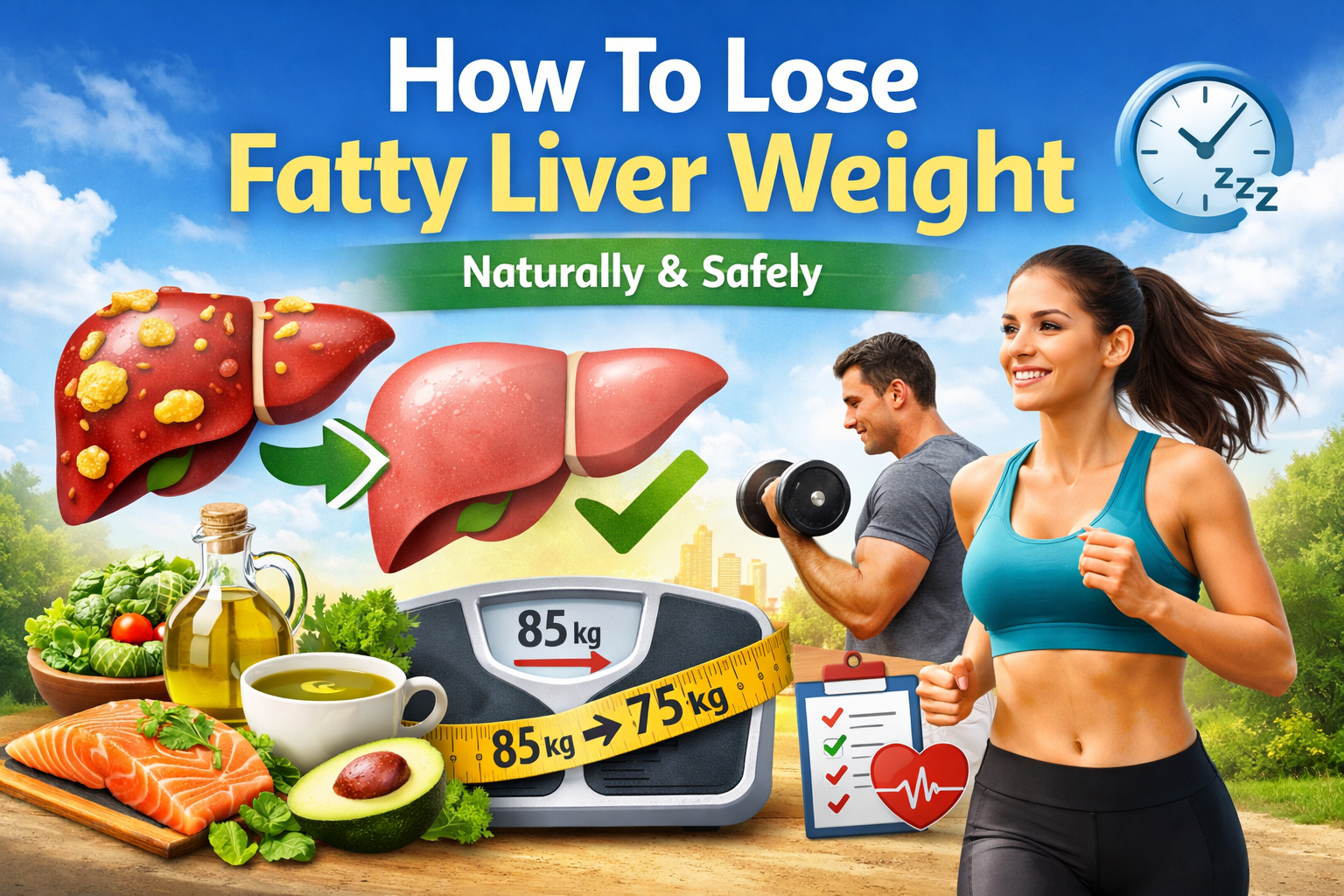
Fatty liver disease is becoming increasingly common, especially in modern lifestyles where processed foods, sedentary habits, and high stress levels dominate daily life. Many people only find out they have it during routine blood tests or scans, often without any obvious symptoms.
If you have been diagnosed with fatty liver or suspect you may be at risk, the encouraging news is that it is often reversible. Losing fatty liver weight is not just about reducing numbers on a scale. It is about restoring your liver’s ability to function properly and protecting your long-term health.
This comprehensive guide will walk you through exactly how to lose fatty liver weight effectively, sustainably, and in a way that supports overall wellbeing while also being optimised for long-term success.
Understanding Fatty Liver And Why It Develops
Fatty liver occurs when excess fat builds up in liver cells. The most common type is Nonalcoholic Fatty Liver Disease, which is not caused by alcohol but by lifestyle and metabolic factors.
Your liver plays a crucial role in processing nutrients, regulating metabolism, and removing toxins. When too much fat accumulates, these functions begin to slow down, which can lead to inflammation and more serious liver conditions over time.
The primary causes of fatty liver include:
Excess calorie consumption is one of the biggest drivers. When you eat more calories than your body needs, the surplus is stored as fat, and some of that fat accumulates in the liver.
High sugar intake, particularly from fructose found in sugary drinks and processed foods, directly contributes to liver fat because it is metabolised in the liver.
Sedentary lifestyle reduces your body’s ability to burn fat efficiently, making it easier for fat to accumulate.
Insulin resistance plays a major role as well. When your body becomes less responsive to insulin, it stores more fat, especially around the abdomen and liver.
Understanding these causes is the first step toward reversing the condition.
The Strong Connection Between Fatty Liver And Weight Gain
Fatty liver is closely linked to excess body weight, especially abdominal fat. This type of fat, known as visceral fat, surrounds your internal organs and is particularly harmful.
When visceral fat increases, it disrupts hormonal balance and contributes to insulin resistance. This creates a cycle where your body becomes more efficient at storing fat and less efficient at burning it.
As a result, losing weight becomes more difficult, and liver fat continues to build up.
Breaking this cycle requires a combination of dietary changes, physical activity, and improved lifestyle habits. Once insulin sensitivity improves, your body becomes better at burning fat, including fat stored in the liver.
The Most Effective Diet To Lose Fatty Liver Weight
Diet is the most powerful tool you have to reverse fatty liver. You do not need extreme or restrictive diets. What matters most is consistency and quality of food.
A balanced, whole-food-based approach works best.
Start by focusing on whole, unprocessed foods. These include lean proteins such as chicken, fish, and eggs, along with vegetables, fruits in moderation, whole grains, and healthy fats like olive oil and nuts.
One of the most effective eating patterns for fatty liver is the Mediterranean-style diet. This approach emphasises natural foods, healthy fats, and balanced nutrition, which helps reduce inflammation and improve liver health.
Reducing sugar intake is critical. Sugary drinks, desserts, and processed snacks are major contributors to liver fat. Fructose, in particular, is processed by the liver and can quickly turn into fat.
Refined carbohydrates such as white bread, pastries, and sugary cereals should also be limited. These foods spike blood sugar and insulin levels, encouraging fat storage.
Increasing protein intake can make a significant difference. Protein helps you feel full, supports muscle maintenance, and boosts metabolism. Including protein in every meal can help control hunger and promote fat loss.
Healthy fats should not be avoided. In fact, they are essential. Foods like avocados, nuts, seeds, and olive oil support metabolic health and help reduce inflammation.
Hydration is another key factor. Drinking enough water helps your body process fat more efficiently and supports overall health.
Exercise Strategies That Burn Liver Fat
Exercise plays a powerful role in reducing liver fat and improving metabolic health. Even if weight loss is gradual, physical activity can directly reduce fat stored in the liver.
Walking is one of the simplest and most effective forms of exercise. A daily target of around 8,000 to 10,000 steps can significantly improve your health over time.
Strength training is equally important. Building muscle increases your resting metabolic rate, meaning your body burns more calories even at rest. It also improves insulin sensitivity, which helps reduce fat storage.
High-intensity workouts, such as short bursts of intense activity followed by rest, can be particularly effective for fat loss. However, these should be approached gradually if you are new to exercise.
Consistency matters more than intensity. A sustainable routine that you can maintain long term is far more effective than short bursts of extreme effort.
How Much Weight You Need To Lose To Reverse Fatty Liver
You do not need to lose extreme amounts of weight to see improvements in fatty liver.
Research shows that losing around 5 to 10 percent of your body weight can significantly reduce liver fat and improve liver function.
For example, if you weigh 85 kg, losing just 4 to 8 kg can make a meaningful difference.
Safe and sustainable weight loss typically ranges from 0.5 to 1 kg per week. This gradual approach reduces stress on the body and increases the likelihood of maintaining the results.
Rapid weight loss is not recommended, as it can sometimes worsen liver inflammation. The goal is steady, consistent progress.
Lifestyle Changes That Accelerate Fat Loss
Beyond diet and exercise, lifestyle factors play a crucial role in reversing fatty liver.
Sleep is one of the most overlooked aspects. Poor sleep disrupts hormones that regulate hunger and fat storage, making it harder to lose weight. Aim for 7 to 9 hours of quality sleep each night.
Stress management is equally important. Chronic stress increases cortisol levels, which promotes fat storage, especially around the abdomen and liver.
Simple strategies such as walking outdoors, practising mindfulness, or reducing screen time can help lower stress levels.
Avoiding alcohol or limiting it significantly is also essential, as it places additional strain on the liver.
Building a consistent daily routine can help reinforce healthy habits and improve long-term outcomes.
Foods And Drinks That Support Liver Health
Certain foods have been shown to support liver function and reduce fat accumulation.
Coffee, when consumed without sugar, has been linked to improved liver health and reduced inflammation.
Green tea is rich in antioxidants that support fat metabolism and overall health.
Garlic may help reduce fat accumulation and improve metabolic function.
Leafy green vegetables such as spinach and kale help reduce fat storage and provide essential nutrients.
Including these foods regularly as part of a balanced diet can enhance your progress.
Common Mistakes That Prevent Fatty Liver Weight Loss
Many people struggle to lose fatty liver weight because of common but avoidable mistakes.
One of the biggest mistakes is relying on crash diets. These approaches are difficult to maintain and often lead to weight regain.
Another issue is underestimating calorie intake. Even healthy foods can contribute to weight gain if consumed in excess.
Hidden sugars are also a problem. Many products marketed as healthy contain high levels of sugar.
Inconsistency is perhaps the most significant barrier. Long-term success requires steady, ongoing effort rather than short bursts of motivation.
Late-night eating and frequent snacking can also slow progress, especially when combined with sedentary habits.
Can Fatty Liver Be Reversed Completely
In many cases, fatty liver can be reversed, especially when caught early.
The liver has a remarkable ability to heal itself when the underlying causes are addressed. By improving diet, increasing physical activity, and adopting healthier lifestyle habits, it is possible to reduce and even eliminate excess liver fat.
However, if the condition progresses to more advanced stages, medical intervention may be required.
This is why early action is so important.
A Simple Daily Plan To Lose Fatty Liver Weight
A structured routine can make the process much easier.
Start your day with a balanced breakfast that includes protein, such as eggs or yoghurt, along with healthy fats and fibre.
Stay active throughout the day. If you have a sedentary job, try to take short walking breaks whenever possible.
For lunch and dinner, focus on lean protein, vegetables, and healthy fats. Keep portion sizes moderate and avoid processed foods.
Incorporate exercise into your routine, whether it is walking, strength training, or a combination of both.
Stay hydrated and aim to maintain a consistent sleep schedule.
Over time, these small habits compound into significant results.
Final Thoughts On Losing Fatty Liver Weight
Losing fatty liver weight is not about extreme measures or quick fixes. It is about making sustainable changes that support your overall health.
By focusing on whole foods, reducing sugar intake, staying active, and improving your lifestyle habits, you can reverse fatty liver and significantly improve your wellbeing.
The journey requires patience and consistency, but the results are worth it. Not only will you improve your liver health, but you will also feel more energetic, focused, and in control of your health.
Disclaimer
This article is for informational purposes only and does not constitute medical advice. Always consult a qualified healthcare professional before making any changes to your diet, exercise, or lifestyle, especially if you have a medical condition such as fatty liver disease.