
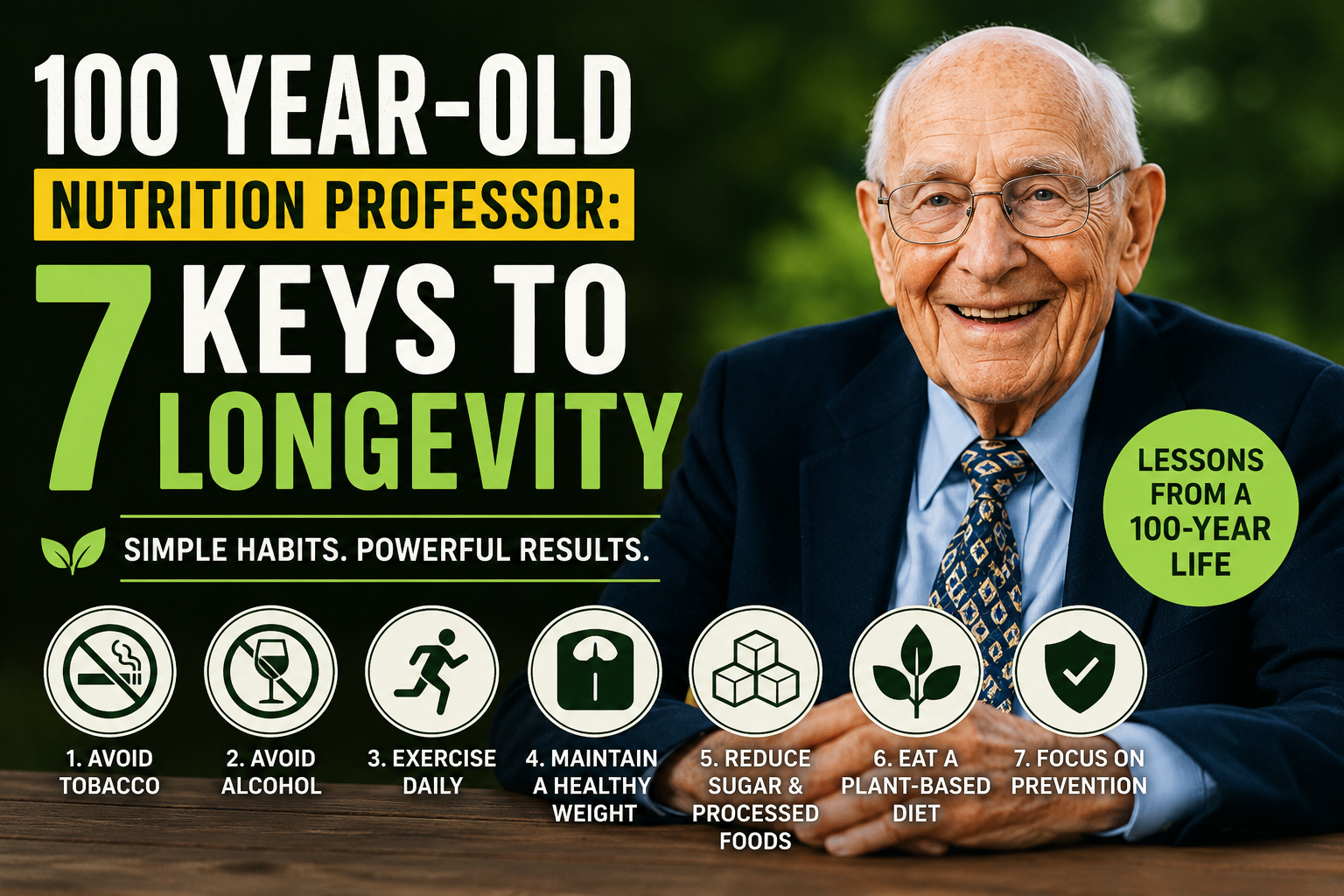
Most people believe living to 100 requires exceptional genetics, expensive treatments, or pure luck. Yet there are individuals around the world proving that long life can often be built through daily habits, disciplined choices, and simple lifestyle principles followed consistently over time.
One of those people is Dr. John Scharffenberg, a nutrition professor who remained active, energetic, mentally sharp, and independent at 100 years old. Even at his age, he continued travelling internationally, lecturing around the world, driving long distances, and educating people about health and disease prevention. His message was surprisingly simple. Many of the biggest diseases affecting modern society can be dramatically reduced through lifestyle changes.
Heart disease, stroke, diabetes, obesity, high blood pressure, and many chronic illnesses are not always inevitable consequences of ageing. According to Dr. Scharffenberg, many of these conditions are heavily influenced by how people live every day.
In a world where millions of people rely heavily on medication while neglecting the foundations of health, his advice feels both refreshing and powerful. Instead of focusing purely on treatment, he focused on prevention. Instead of waiting until disease develops, he encouraged people to create lifestyles that protect their bodies before serious health problems appear.
The truth is that modern lifestyles are slowly destroying the health of many people. Highly processed foods, excessive sugar consumption, inactivity, poor sleep, stress, smoking, and alcohol have become normalised. At the same time, rates of obesity, diabetes, cardiovascular disease, and mental health struggles continue to rise across the world.
Dr. Scharffenberg believed much of this can be changed.
His approach to longevity was not based on complicated theories or unrealistic routines. It was based on practical daily habits that ordinary people can apply immediately. Eat better. Move more. Avoid harmful substances. Control weight. Reduce processed foods. Live intentionally.
Simple principles. Massive impact.
In this article, we will explore the seven major longevity principles taught by Dr. John Scharffenberg, along with the science behind why these habits matter so much. You will also discover how these lessons can help improve your energy, physical health, mental clarity, and overall quality of life as you get older.
The goal is not simply to live longer. The goal is to live better.
Why Modern Lifestyle Is Destroying Long Term Health
One of the biggest problems in modern society is that unhealthy living has become completely normal. Many people wake up exhausted, eat processed foods throughout the day, spend most of their time sitting down, experience constant stress, and rely heavily on stimulants or medication just to function.
Over time, these habits slowly damage the body.
What makes this even more dangerous is that the effects are often invisible in the beginning. Someone may feel relatively fine while high blood pressure quietly develops. Excess sugar may slowly increase insulin resistance for years before diabetes appears. Cholesterol plaque can accumulate silently before a heart attack suddenly occurs.
Dr. Scharffenberg explained that many chronic diseases are heavily linked to lifestyle factors.
This means people have far more control over their future health than they realise.
Modern convenience has made life physically easier, but it has also reduced natural movement dramatically. Many jobs now involve sitting for long periods. Entertainment revolves around screens. Food delivery services remove even more physical activity from daily life.
At the same time, processed foods are engineered to be addictive. High sugar, high fat, and highly processed meals stimulate cravings that encourage overeating. Many people are no longer eating primarily for nourishment. They are eating for emotional comfort, stress relief, or temporary pleasure.
This combination creates the perfect environment for chronic disease.
The frightening reality is that millions of people are ageing faster than they should be. Energy levels decline earlier. Mobility decreases sooner. Weight gain accelerates. Mental clarity suffers. Chronic inflammation quietly increases inside the body.
Yet much of this is preventable.
Longevity is not just about genetics. Daily habits shape health outcomes more than many people realise.
The body responds continuously to lifestyle choices. Every meal, every workout, every hour of sleep, and every harmful habit either strengthens health or weakens it.
This is why prevention matters so much.
Many people wait until a serious diagnosis appears before making changes. But by then, years of damage may already exist. Dr. Scharffenberg’s message focused on avoiding that situation entirely by building healthier habits before disease develops.
His philosophy was simple. Protect the body consistently and it will reward you over time.
The First Longevity Secret Is Avoiding Tobacco Completely
Dr. Scharffenberg identified tobacco as one of the biggest lifestyle risk factors affecting health and longevity.
This is something medical science has confirmed repeatedly for decades.
Smoking damages nearly every organ in the body. It increases the risk of heart disease, lung cancer, stroke, chronic obstructive pulmonary disease, circulation problems, and multiple other serious illnesses.
Tobacco accelerates ageing both internally and externally.
The chemicals in cigarettes create oxidative stress throughout the body. Blood vessels become damaged. Oxygen delivery becomes impaired. Inflammation increases. Cellular health declines.
Many smokers also experience lower physical stamina, reduced lung capacity, and weaker cardiovascular function over time.
One of the most dangerous aspects of smoking is that the damage accumulates gradually. Someone may smoke for years before major symptoms appear. Unfortunately, by the time serious illness develops, significant damage may already exist.
Dr. Scharffenberg also pointed out an interesting observation regarding smoking and diseases such as Alzheimer’s. Many smokers never reach advanced old age because smoking-related diseases shorten lifespan earlier.
This highlights an important truth about longevity. Long life is closely connected to preventing premature disease.
The good news is that quitting smoking creates immediate benefits. Blood circulation begins improving quickly. Lung function gradually recovers. Heart disease risk declines over time. Energy levels often improve significantly.
Even people who have smoked for years can experience major health improvements after quitting.
One of the greatest decisions a person can make for long term health is eliminating tobacco entirely.
No supplement, medication, or exercise routine can fully compensate for the damage smoking causes.
If someone truly wants to increase their chances of living a longer and healthier life, avoiding tobacco must become a non-negotiable priority.
Why Alcohol May Be More Harmful Than Most People Realise
For many years, moderate alcohol consumption was often considered relatively harmless. Some people even believed small amounts of alcohol might provide health benefits.
However, Dr. Scharffenberg referenced large studies showing that even small amounts of alcohol can increase health risks.
Alcohol affects the body in multiple negative ways.
It increases inflammation, disrupts sleep quality, impairs liver function, and contributes to various cancers. It also affects mental health, cognitive performance, and decision-making abilities.
Many people underestimate how strongly alcohol affects recovery, energy, hormones, and long term brain health.
Even occasional drinking can negatively impact sleep architecture, reducing deep restorative sleep that the body needs for repair and recovery.
Excessive alcohol consumption also contributes heavily to weight gain. Alcoholic drinks are often loaded with empty calories while simultaneously lowering self-control around food choices.
Over time, this can contribute to obesity and metabolic dysfunction.
Alcohol also creates psychological dependency patterns in many people. It becomes associated with stress relief, social interaction, celebration, or emotional escape.
The problem is that these coping mechanisms often mask underlying issues rather than solving them.
Many highly successful and health-conscious individuals eventually reduce or eliminate alcohol entirely because they notice improvements in energy, focus, recovery, productivity, and emotional stability.
Long term health is built through consistency. Anything that repeatedly disrupts physical recovery and internal balance eventually creates consequences.
Dr. Scharffenberg’s perspective reflects a growing body of research suggesting that alcohol may not be as harmless as society often portrays it.
People seeking longevity should seriously evaluate how alcohol affects their physical and mental wellbeing.
Exercise Is One Of The Most Powerful Anti Ageing Tools
One of the strongest messages Dr. Scharffenberg emphasised was the importance of exercise.
Movement is essential for human health.
The human body was designed to move regularly. Yet many modern lifestyles involve prolonged sitting and minimal physical activity.
This creates enormous health problems.
Exercise improves cardiovascular health, strengthens muscles and bones, supports brain function, improves mood, increases insulin sensitivity, enhances circulation, and helps regulate weight.
It also dramatically reduces the risk of many chronic diseases.
Dr. Scharffenberg made an extremely powerful point regarding exercise. He explained that someone who exercises daily may outlive individuals who appear healthier on paper but remain inactive.
That statement reveals how powerful physical activity truly is.
Exercise acts like medicine for the body.
Regular movement improves blood flow to the brain, helping maintain cognitive function as people age. It supports hormone balance, reduces inflammation, and helps preserve mobility and independence later in life.
One of the most important aspects of exercise is consistency.
Many people approach fitness with extreme short term intensity before eventually quitting. Longevity is built through sustainable routines maintained over years.
Walking daily, strength training several times per week, maintaining mobility, and staying physically active throughout life can create enormous long term benefits.
Dr. Scharffenberg also highlighted that midlife is an especially important period for exercise.
This is often the stage where people become more sedentary while simultaneously increasing food intake.
Unfortunately, this combination accelerates weight gain and health decline.
As people age, maintaining muscle mass becomes increasingly important. Muscle supports metabolism, mobility, balance, and overall physical function.
Strength training is especially valuable for preserving independence later in life.
The reality is simple.
The body weakens when it is not used.
Movement keeps the body alive, resilient, and capable.
Controlling Body Weight Improves Longevity And Energy
Obesity has become one of the biggest health challenges worldwide.
Dr. Scharffenberg identified overweight and obesity as major lifestyle risk factors connected to chronic disease.
Excess body fat places stress on nearly every system in the body.
It increases the risk of heart disease, diabetes, high blood pressure, joint problems, sleep apnea, certain cancers, and inflammation.
Many people view weight gain purely as a cosmetic issue, but the reality is far more serious. Excess weight significantly affects internal health and long term lifespan.
One important point Dr. Scharffenberg discussed was the relationship between addiction and overeating.
Modern processed foods are designed to stimulate cravings. High sugar, high fat, and highly processed meals can trigger powerful reward responses in the brain.
This makes overeating extremely common.
Emotional eating also plays a major role for many people. Stress, loneliness, anxiety, boredom, and unhappiness often drive unhealthy eating habits.
Sustainable weight management requires more than temporary dieting. It requires changing daily habits and improving the overall relationship with food.
One of the biggest mistakes people make is searching for quick fixes.
Extreme diets may create temporary results, but long term success usually comes from building realistic routines that can be maintained consistently.
This includes:
- Eating more whole foods
- Reducing processed sugar
- Controlling portion sizes
- Increasing physical activity
- Improving sleep
- Managing stress
- Building better daily discipline
Healthy body weight supports better energy levels, improved mobility, lower inflammation, and stronger metabolic health.
People often notice dramatic improvements in confidence and mental wellbeing as physical health improves.
Longevity is not just about living longer. It is about maintaining quality of life.
Maintaining a healthy weight plays a major role in achieving that.
Why Sugar And Processed Foods Create Massive Health Problems
Modern diets contain enormous amounts of added sugar and highly processed foods.
Dr. Scharffenberg specifically warned about excessive sugar intake and heavy meat consumption as major contributors to disease.
Sugar affects the body far beyond simple weight gain.
Excessive sugar intake contributes to insulin resistance, inflammation, fatty liver disease, obesity, diabetes, and cardiovascular problems.
Many processed foods also contain large amounts of hidden sugars.
Soft drinks, desserts, sauces, cereals, snacks, and even supposedly healthy products often contain shockingly high sugar levels.
One major problem is that sugar activates reward pathways in the brain, encouraging repeated cravings and overeating.
This creates a cycle where people continuously seek more processed foods while natural whole foods become less satisfying.
Dr. Scharffenberg shared a story about a patient consuming extremely large quantities of ice cream and added sugar every night, resulting in severe cholesterol and triglyceride problems.
This illustrates how poor dietary habits slowly damage metabolic health.
Processed foods also tend to lack fibre, vitamins, minerals, and nutritional density. They provide calories without proper nourishment.
Whole foods work very differently inside the body.
Fruits, vegetables, legumes, nuts, seeds, and whole grains provide nutrients that support cellular health, digestion, immune function, and cardiovascular health.
These foods also help regulate appetite more effectively.
One of the most important health habits a person can develop is learning to eat primarily whole, minimally processed foods.
Small consistent improvements create major long term benefits.
Replacing sugary drinks with water. Eating more vegetables. Reducing processed snacks. Cooking more meals at home.
These changes may appear simple, but over years they can completely transform health outcomes.
The Longevity Benefits Of A Mostly Plant Based Diet
Dr. Scharffenberg strongly supported vegetarian and plant-focused eating patterns.
He explained that many official health recommendations indirectly point towards plant-based eating because reducing saturated fat often means reducing animal products.
Plant-focused diets are consistently associated with lower rates of heart disease, obesity, diabetes, and certain cancers.
This does not necessarily mean every person must become fully vegetarian immediately. However, increasing plant foods while reducing heavily processed meats and unhealthy fats can significantly improve health.
Plant foods contain fibre, antioxidants, vitamins, minerals, and phytonutrients that support long term health.
Fibre is especially important because it supports digestion, blood sugar regulation, cholesterol control, and gut health.
Most processed modern diets are severely lacking in fibre.
Meanwhile, excessive intake of processed meats and saturated fats has been linked to various chronic diseases.
Dr. Scharffenberg also referenced recommendations supporting vegetarian-style diets for optimal health outcomes.
Some of the healthiest populations in the world consume diets heavily based on plants, legumes, vegetables, fruits, and minimally processed foods.
One major advantage of plant-focused eating is that these foods are often naturally less calorie-dense while being more nutritionally dense.
This helps with both weight management and disease prevention.
Eating more plants does not need to feel restrictive.
Healthy meals can still be enjoyable, satisfying, and diverse.
Simple improvements like increasing vegetable intake, eating more beans and legumes, reducing processed meats, and choosing healthier fats can create powerful long term benefits.
Prevention Is More Powerful Than Medication Alone
One of the strongest themes throughout Dr. Scharffenberg’s message was prevention.
Modern healthcare systems often focus heavily on treating disease after it appears. However, lifestyle medicine focuses on preventing disease from developing in the first place.
Dr. Scharffenberg discussed how many people rely heavily on medication while neglecting the lifestyle factors causing health problems.
Medication certainly has an important place in healthcare. But many chronic diseases are strongly influenced by lifestyle choices.
High blood pressure, obesity, diabetes, and cardiovascular disease are often deeply connected to daily habits.
No pill can fully compensate for consistently unhealthy living.
This is why prevention matters so much.
The body constantly responds to behaviour patterns.
Healthy habits compound positively over time. Unhealthy habits compound negatively.
The difference may not appear dramatic after one day or one week. But over years, the results become enormous.
One person develops strength, mobility, energy, and vitality.
Another develops chronic illness, fatigue, and dependency.
The gap often comes from daily habits repeated consistently over long periods.
Prevention also creates freedom.
Good health allows people to travel, remain independent, stay mentally sharp, enjoy relationships, and continue pursuing meaningful experiences later in life.
Poor health can gradually limit freedom in every area.
This is one reason why investing in health is one of the most valuable things a person can do.
Without health, many other achievements lose meaning.
The Biggest Challenge Is Getting People To Change
Perhaps the most important insight Dr. Scharffenberg shared was that knowledge alone is not enough.
Most people already know many healthy habits.
They know smoking is harmful. They know exercise matters. They know processed foods are unhealthy.
The challenge is consistency.
Human beings naturally seek comfort, convenience, and immediate gratification. Unfortunately, many healthy behaviours require discipline and delayed gratification.
Exercise requires effort.
Healthy eating requires self-control.
Long term thinking requires patience.
This is why mindset becomes extremely important.
People rarely transform their lives permanently through motivation alone. Lasting change usually happens through identity shifts and daily discipline.
Healthy living must eventually become part of who a person is, not just something they occasionally attempt.
One useful strategy is focusing on small sustainable improvements rather than extreme overnight transformations.
Trying to completely change every habit at once often leads to burnout and inconsistency.
Instead:
- Start walking daily
- Drink more water
- Reduce sugary drinks
- Improve sleep
- Add more vegetables
- Exercise several times weekly
- Gradually reduce processed foods
These simple actions compound over time.
Long term health is built through repetition.
The people who experience the greatest transformations are usually not the people who make the biggest short term changes. They are the people who maintain good habits consistently for years.
Longevity Is About More Than Just Living Longer
Many people misunderstand longevity.
Living longer alone is not necessarily the goal.
The real goal is maintaining quality of life.
There is a huge difference between simply existing at an old age and remaining energetic, mobile, mentally sharp, and independent.
Dr. Scharffenberg represented this concept powerfully.
Even at 100 years old, he continued travelling internationally, lecturing, driving, and living independently.
That level of vitality is what most people truly desire.
Health creates possibilities.
It allows people to spend time with family, pursue passions, continue learning, travel, and enjoy life more fully.
Poor health slowly removes those opportunities.
This is why lifestyle habits matter so much earlier in life.
The decisions made in your 20s, 30s, 40s, and 50s often shape the quality of life experienced later on.
Many people sacrifice health temporarily for convenience, only to spend years later trying to recover it.
The better approach is protecting health proactively.
Longevity should not feel like punishment or restriction. Healthy living can actually improve enjoyment of life dramatically.
Better energy.
Better sleep.
Better confidence.
Better mobility.
Better mental clarity.
Better emotional stability.
The body functions better when it is cared for properly.
That is one of the most powerful lessons behind Dr. Scharffenberg’s message.
Building Your Own Longevity Lifestyle Starting Today
The most important thing about health advice is implementation.
Information without action changes nothing.
The good news is that improving health does not require perfection. Small consistent changes can create massive long term results.
You do not need to transform your entire life overnight.
Start with simple actions:
- Walk daily
- Exercise regularly
- Reduce processed foods
- Eat more whole foods
- Sleep properly
- Reduce sugar intake
- Avoid smoking
- Limit alcohol
- Manage stress
- Maintain healthy body weight
These habits may appear basic, but they are incredibly powerful when maintained consistently.
The human body has remarkable ability to heal and improve when given proper support.
Energy increases.
Inflammation decreases.
Fitness improves.
Mental clarity sharpens.
Confidence grows.
One healthy habit often creates momentum for additional positive changes.
The key is consistency over intensity.
Many people search for shortcuts, miracle supplements, or complicated solutions. Yet the foundations of health remain relatively simple.
Move regularly.
Eat intelligently.
Protect your body.
Think long term.
The people who age best are usually those who consistently respect these principles over decades.
Longevity is not created through one perfect decision. It is created through thousands of daily decisions repeated consistently across a lifetime.
Dr. John Scharffenberg’s life stands as proof of what disciplined living can achieve.
At 100 years old, he continued demonstrating that ageing does not automatically mean weakness, dependency, or decline.
The body responds to how it is treated.
And the habits you choose today are shaping the person you will eventually become tomorrow.
Disclaimer
The information provided in this article is for educational and informational purposes only and should not be considered medical advice, diagnosis, or treatment. The longevity principles, nutrition insights, and lifestyle recommendations discussed are based on publicly available interviews, speeches, and research associated with Dr. John Scharffenberg.
Everyone’s body, health condition, and medical history are different. Always consult a qualified doctor, healthcare provider, or registered nutrition professional before making major changes to your diet, exercise routine, fasting habits, supplementation, or lifestyle, especially if you have existing medical conditions or take medication.
This article does not guarantee specific health outcomes, disease prevention, or increased lifespan. Any actions you take based on the information in this content are done at your own discretion and risk. The author and publisher are not responsible for any health issues, injuries, or consequences that may arise from applying the information discussed in this article.