
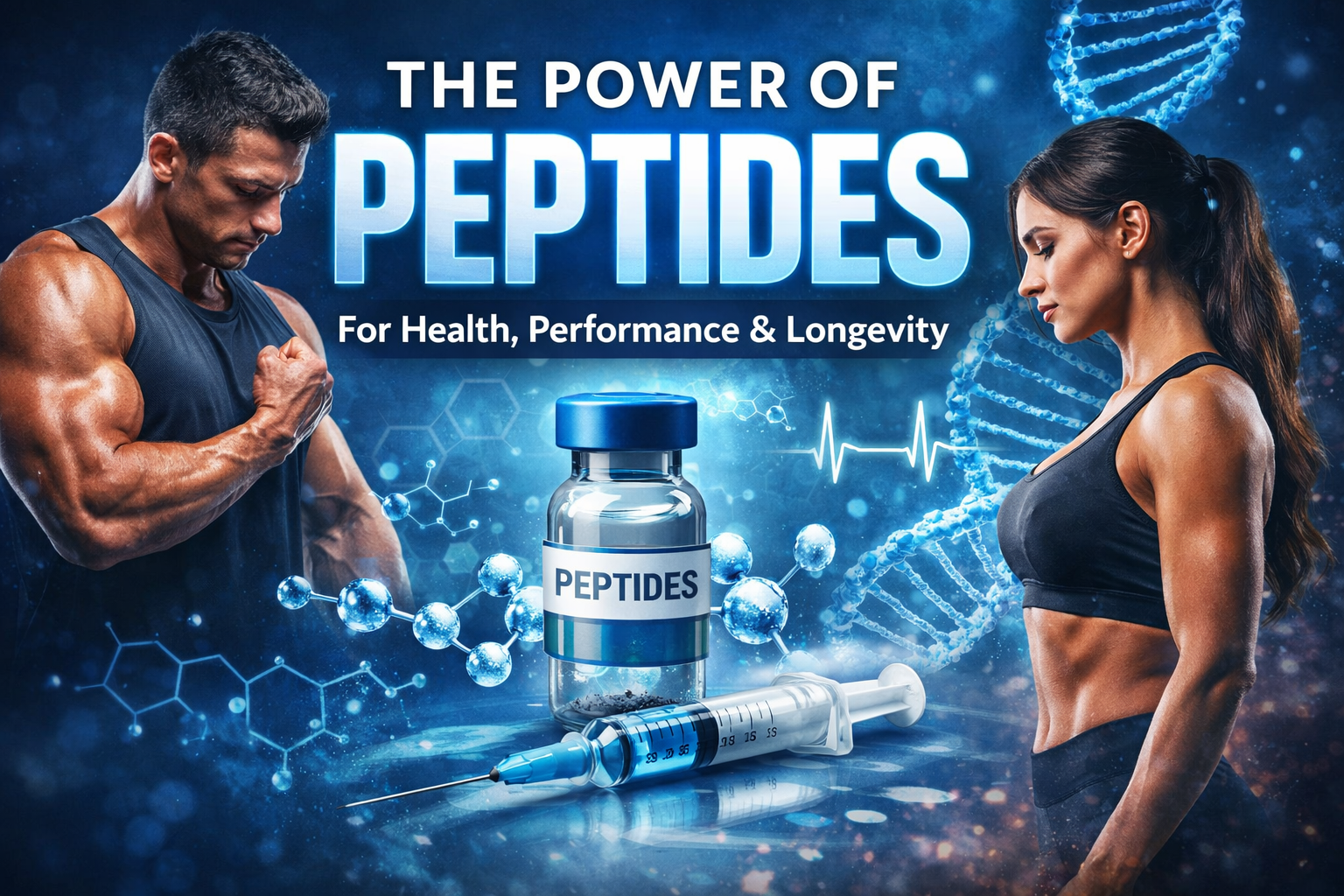
Peptides are quickly becoming one of the most talked-about topics in health, fitness, and anti-aging circles. From professional athletes to everyday people looking to improve their wellbeing, peptides are being explored as powerful tools for enhancing performance, accelerating recovery, and even slowing down the aging process.
But what exactly are peptides, and do they live up to the hype?
This guide breaks everything down in a clear, practical way so you can understand how peptides work, what they do, and whether they might be right for you.
What Are Peptides And Why They Matter
At their core, peptides are short chains of amino acids, which are the building blocks of proteins. If proteins are like full sentences, peptides are small phrases that carry specific instructions within the body.
These small molecules play a crucial role in many biological processes. They act as signaling agents, telling your body what to do and when to do it. This includes:
- Releasing hormones
- Repairing tissues
- Regulating metabolism
- Supporting immune function
Your body naturally produces peptides, but production declines as you age. This is one of the reasons people begin to notice slower recovery, reduced muscle mass, and lower energy levels over time.
How Peptides Work In The Body
Peptides function by binding to receptors on the surface of cells. Think of them as messengers delivering instructions. Once they attach to a receptor, they trigger specific actions inside the body.
For example:
- Some peptides stimulate the release of growth hormone
- Others signal fat cells to break down stored fat
- Some promote collagen production for healthier skin
Because peptides are highly targeted, they tend to work more precisely than many traditional supplements.
Types Of Peptides And Their Uses
Not all peptides are the same. Different peptides serve different purposes, and understanding this is key to using them effectively.
Growth Hormone Peptides
These peptides stimulate the body to produce more natural growth hormone. Popular examples include:
- CJC-1295
- Ipamorelin
They are often used for muscle growth, fat loss, and recovery.
Healing and Recovery Peptides
Some peptides are known for their powerful healing properties.
- BPC-157 is widely discussed for injury recovery
- TB-500 is associated with tissue repair and inflammation reduction
These are often used by athletes dealing with injuries.
Fat Loss Peptides
Certain peptides help the body burn fat more efficiently.
- AOD-9604 is designed to target fat metabolism
- Some peptides increase lipolysis, which is the breakdown of fat
Skin and Anti-Aging Peptides
Peptides are also used in skincare and anti-aging treatments.
- They can boost collagen production
- Improve skin elasticity
- Reduce wrinkles
Benefits Of Peptides For Health And Fitness
Peptides have gained popularity because of their wide range of potential benefits.
Muscle Growth and Strength
Peptides that increase growth hormone can support lean muscle development. This is especially valuable for individuals who struggle to build muscle despite training consistently.
Faster Recovery
Recovery is one of the biggest advantages. Peptides may help:
- Reduce muscle soreness
- Speed up healing from injuries
- Improve sleep quality
Fat Loss
Some peptides help the body burn fat without affecting muscle mass. This makes them attractive for people trying to achieve a lean physique.
Anti-Aging Effects
As peptide production declines with age, supplementing certain peptides may help:
- Improve skin appearance
- Increase energy levels
- Support overall vitality
Improved Sleep and Mood
Certain peptides influence hormones that regulate sleep and mood, leading to better rest and improved mental clarity.
Are Peptides Safe To Use
This is one of the most important questions.
Peptides are generally considered safer than many synthetic drugs because they mimic substances your body already produces. However, safety depends on several factors:
- Quality of the peptide
- Correct dosage
- Proper medical supervision
Some potential risks include:
- Water retention
- Hormonal imbalances
- Injection site reactions
It is essential to approach peptides responsibly and avoid buying from unreliable sources.
Natural Ways To Boost Peptides In The Body
Before considering supplementation, it is worth knowing that you can naturally support peptide production.
Exercise Regularly
Resistance training and high-intensity workouts stimulate growth hormone and peptide activity.
Prioritise Sleep
Deep sleep is when your body produces the most growth hormone.
Eat Protein-Rich Foods
Foods rich in amino acids support peptide formation. Examples include:
- Eggs
- Chicken
- Fish
- Lentils
Manage Stress
Chronic stress can disrupt hormone balance and reduce peptide efficiency.
Peptides vs Supplements vs Steroids
Many people compare peptides with traditional supplements and anabolic steroids.
Peptides vs Supplements
- Supplements provide nutrients
- Peptides provide signals to the body
Peptides often have more targeted effects.
Peptides vs Steroids
- Steroids introduce external hormones
- Peptides encourage your body to produce its own
This is why peptides are often seen as a more natural alternative, although they still require caution.
The Future Of Peptides In Health And Medicine
Peptides are not just a trend. They are being actively researched in medicine for their potential to treat various conditions.
Areas of research include:
- Cancer therapies
- Diabetes management
- Immune system disorders
As science advances, peptides may become a mainstream part of modern healthcare.
Should You Consider Using Peptides
Peptides can be powerful tools, but they are not magic solutions. They work best when combined with:
- Proper diet
- Consistent training
- Good sleep habits
If you are considering peptides, it is wise to consult a qualified professional and ensure you are using high-quality, legitimate products.
Final Thoughts
Peptides sit at the intersection of science, fitness, and longevity. They offer exciting possibilities for improving health, enhancing performance, and slowing down aging.
However, like any powerful tool, they must be used wisely. Understanding how they work and respecting their potential risks is key.
For someone working long shifts, trying to build a better body, increase energy, and create a healthier future, peptides may be worth exploring as part of a broader strategy focused on discipline, consistency, and smart decisions.
Disclaimer
This article is for informational purposes only and does not constitute medical advice. Peptides can affect hormones and bodily functions, so you should consult a qualified healthcare professional before use.
Some peptides may not be approved for medical use in the UK, and their safety and long-term effects are still being studied. Use at your own risk and always seek professional guidance before making health-related decisions.