
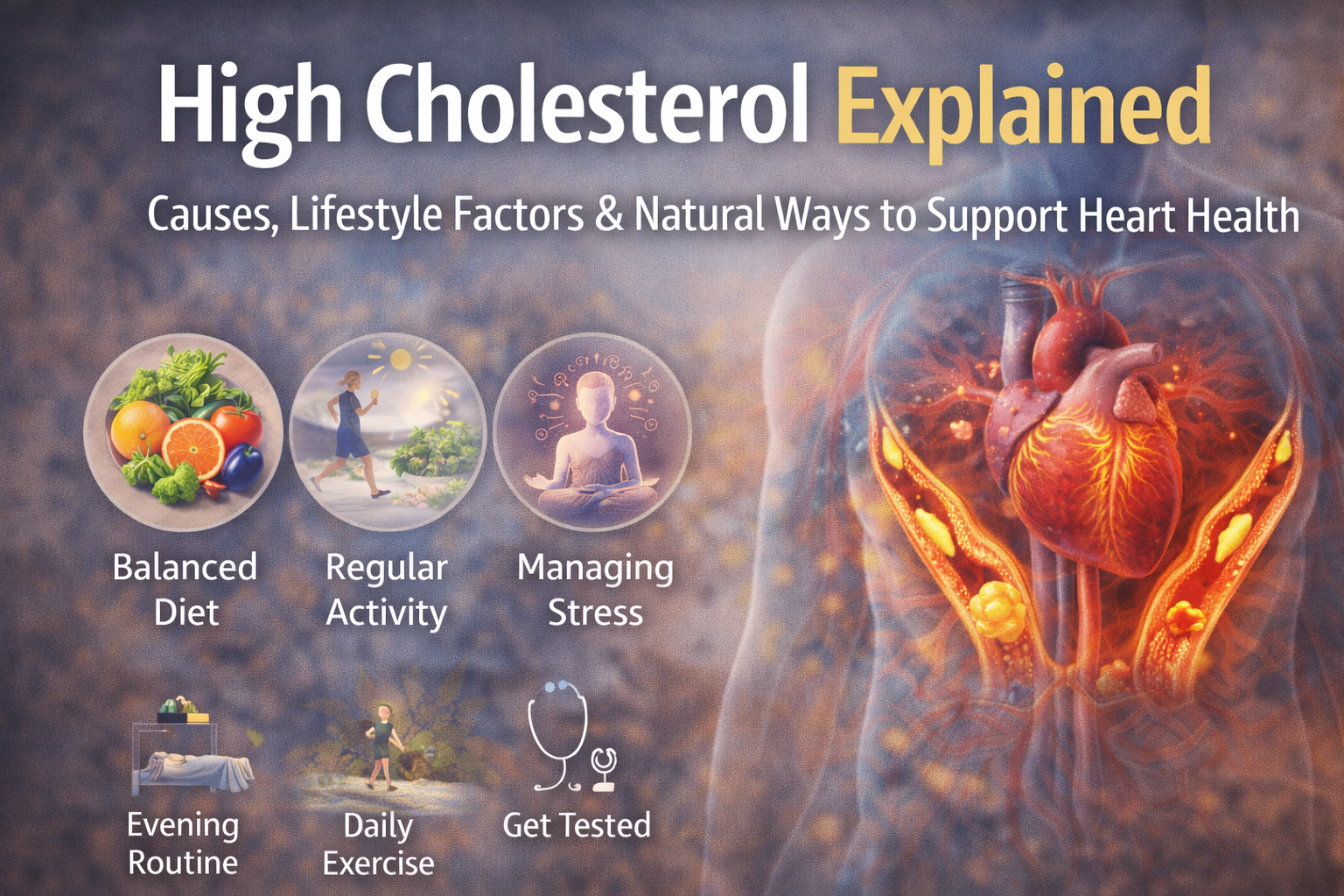
Cholesterol is one of the most widely discussed health topics in the UK, yet it remains one of the most misunderstood. Many people associate cholesterol with serious health concerns, strict dietary rules, or long-term medication, but the reality is more nuanced.
Cholesterol itself is not inherently harmful. In fact, it plays an essential role in the body, supporting hormone production, digestion, and cell structure. Problems tend to arise when cholesterol levels become unbalanced over time, often influenced by lifestyle, genetics, and broader health factors.
This in-depth guide explains cholesterol in clear, practical terms. It explores what cholesterol is, how it works in the body, what influences cholesterol levels, and how everyday habits may support heart health naturally. The aim is not to provide medical treatment advice, but to help readers understand the topic well enough to make informed lifestyle choices.
What Cholesterol Is And Why The Body Needs It
Cholesterol is a waxy, fat-like substance found in every cell of the body. It is produced naturally by the liver and is also obtained through certain foods.
The Role Of Cholesterol In Everyday Health
Cholesterol plays several important roles, including:
- Supporting the structure of cell membranes
- Helping the body produce hormones such as vitamin D
- Aiding the production of bile acids needed for digestion
Without cholesterol, the body would not be able to function properly.
Dietary Cholesterol Versus Blood Cholesterol
There is often confusion between cholesterol found in food and cholesterol measured in blood tests. While diet plays a role, blood cholesterol levels are influenced by a combination of factors, not food alone.
Understanding LDL And HDL Cholesterol
Cholesterol travels through the bloodstream attached to proteins called lipoproteins. The two most commonly discussed types are LDL and HDL cholesterol.
What Is LDL Cholesterol
LDL is often referred to as “low-density lipoprotein” cholesterol. It carries cholesterol from the liver to the rest of the body.
When LDL levels are consistently high, cholesterol may build up in the walls of blood vessels, which can affect circulation over time.
What Is HDL Cholesterol
HDL stands for “high-density lipoprotein” cholesterol. It helps transport excess cholesterol back to the liver, where it can be processed and removed from the body.
Higher levels of HDL cholesterol are generally associated with better heart health.
What Causes High Cholesterol Levels
High cholesterol does not develop overnight. It is often the result of multiple contributing factors acting over time.
Dietary Patterns And Eating Habits
Diets high in saturated fats, trans fats, and ultra-processed foods may influence cholesterol levels. However, overall eating patterns matter more than individual foods.
Physical Inactivity And Sedentary Lifestyles
Lack of regular movement can affect how the body processes fats and sugars. Over time, inactivity may contribute to unfavourable cholesterol patterns.
Genetics And Family History
Some people inherit a tendency toward higher cholesterol levels. In these cases, lifestyle choices still matter, but genetics can play a significant role.
Age And Hormonal Changes
Cholesterol levels may change naturally with age. Hormonal shifts can also influence how cholesterol is produced and managed in the body.
The Link Between Cholesterol And Heart Health
Cholesterol is closely linked to cardiovascular health, which is why it is often discussed in relation to heart disease.
How Cholesterol Affects Blood Vessels
When cholesterol builds up in artery walls, it can reduce flexibility and restrict blood flow. This process develops gradually and may not cause noticeable symptoms in the early stages.
Why Balance Matters More Than Elimination
Cholesterol itself is not the enemy. The goal is maintaining balance rather than eliminating cholesterol altogether.
Lifestyle Habits That Support Healthy Cholesterol Levels
Supporting heart health involves consistent lifestyle habits rather than short-term changes.
Nutrition And Cholesterol Balance
A balanced diet that includes:
- Fruits and vegetables
- Whole grains
- Lean protein sources
- Healthy fats
may support healthier cholesterol patterns over time.
The Role Of Fibre In Cholesterol Support
Dietary fibre, particularly soluble fibre, is often associated with improved cholesterol balance. Fibre-rich foods include oats, legumes, fruits, and vegetables.
Physical Activity And Heart Health
Regular movement supports circulation and overall cardiovascular function. Activities such as walking, swimming, cycling, and resistance training may all contribute to heart health when practised consistently.
Weight Management And Cholesterol Levels
Body weight can influence cholesterol levels, particularly when excess weight is carried around the midsection.
Sustainable Weight Management Matters
Gradual, sustainable changes are more beneficial than extreme dieting. Consistency supports long-term heart health more effectively than rapid weight loss.
Stress, Sleep, And Cholesterol
Lifestyle factors beyond diet and exercise also influence cholesterol levels.
How Stress May Affect Cholesterol
Chronic stress can influence hormonal pathways that affect fat metabolism. Managing stress is an important but often overlooked part of heart health.
The Importance Of Quality Sleep
Poor sleep patterns may influence metabolic health. Consistent, restful sleep supports overall wellbeing, including cardiovascular health.
Alcohol, Smoking, And Cholesterol
Lifestyle choices such as alcohol consumption and smoking can affect cholesterol and heart health.
Alcohol And Heart Health
Moderate alcohol intake may have different effects depending on individual health factors. Excessive consumption is generally linked to poorer cardiovascular outcomes.
Smoking And Cholesterol Balance
Smoking can lower HDL cholesterol and damage blood vessels. Avoiding smoking supports both heart and overall health.
Common Myths About Cholesterol
Cholesterol is surrounded by misconceptions that can create unnecessary fear.
Myth One All Cholesterol Is Bad
Cholesterol is essential for survival. The issue lies in imbalance, not presence.
Myth Two Only Older People Need To Worry
High cholesterol can affect adults of all ages, particularly when lifestyle factors are involved.
Myth Three Diet Alone Controls Cholesterol
Diet is important, but genetics, activity levels, sleep, and stress also play major roles.
When Cholesterol Testing Is Recommended
Cholesterol levels are typically measured through blood tests.
Why Testing Matters
Testing provides a snapshot of cholesterol patterns and helps healthcare professionals assess overall cardiovascular risk.
Interpreting Results In Context
Results should always be interpreted alongside other health factors rather than in isolation.
When To Seek Professional Advice
Anyone with concerns about cholesterol or heart health should speak with a qualified healthcare professional.
Situations Where Guidance Is Helpful
- Family history of heart disease
- Persistently high cholesterol readings
- Concerns about lifestyle changes
- Questions about long-term heart health
Professional advice ensures decisions are personalised and safe.
A Practical And Balanced Approach To Cholesterol
Managing cholesterol is not about perfection or fear. It is about understanding how daily habits influence long-term health and making realistic, sustainable choices.
By focusing on balanced nutrition, regular movement, stress management, and quality sleep, many people can support heart health naturally over time.
Disclaimer
This article is for informational purposes only and does not constitute medical advice. It is not intended to diagnose, treat, cure, or prevent any medical condition. Always consult a qualified healthcare professional for personalised guidance regarding cholesterol or heart health.