
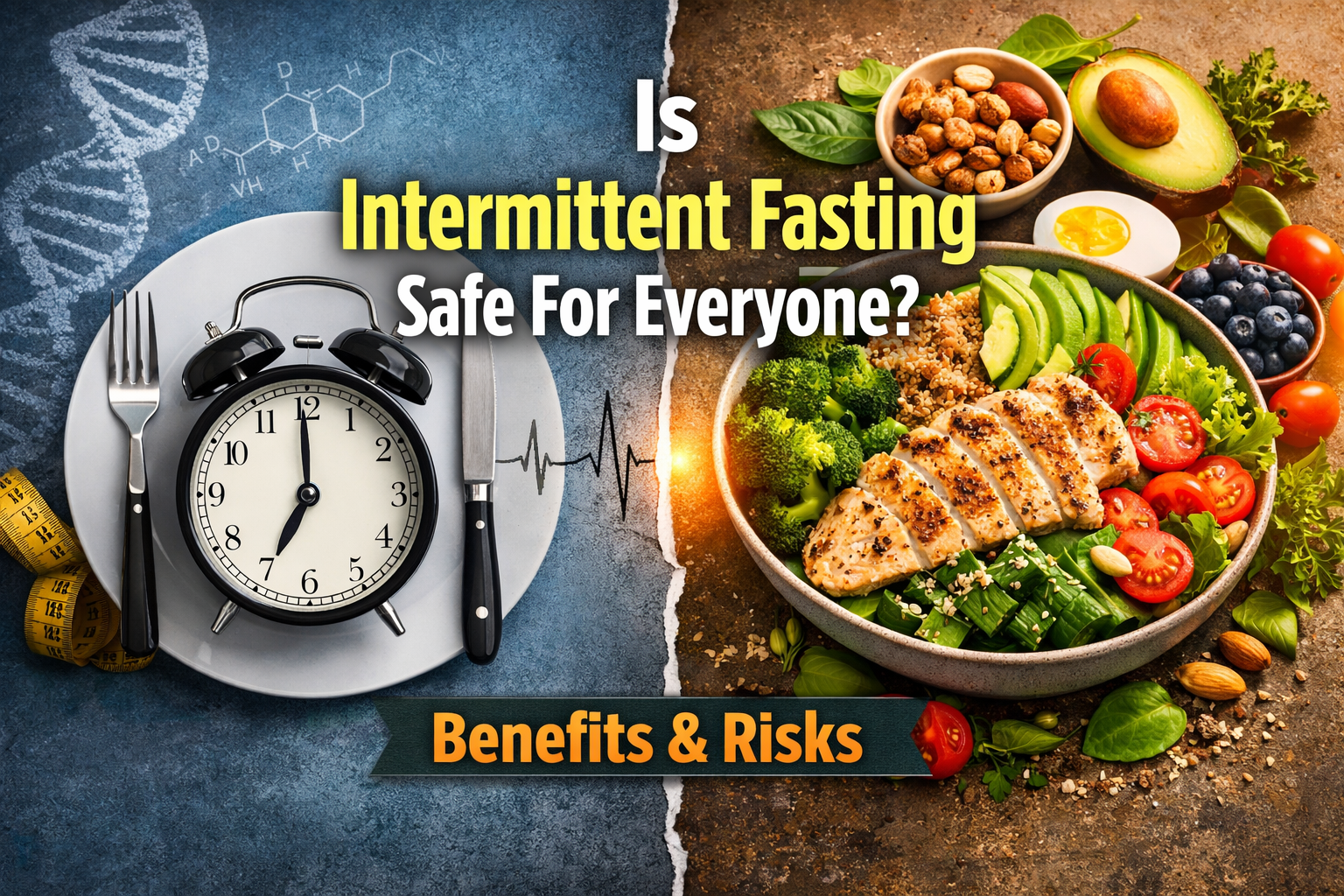
Intermittent fasting has become one of the most talked-about health trends of the last decade. From Silicon Valley executives and fitness influencers to busy parents and shift workers, people across the world are experimenting with eating within time-restricted windows rather than following traditional meal schedules. Supporters claim it helps with weight loss, metabolic health, mental clarity, and even longevity. Critics argue that it may cause hormonal imbalances, disordered eating, fatigue, and long-term health risks for certain individuals.
So where does the truth lie?
Is intermittent fasting genuinely safe for everyone, or is it a one-size-fits-all approach being oversold on social media?
The reality is more nuanced. Intermittent fasting can offer real benefits for some people, but it is not universally safe or appropriate. Factors such as age, gender, activity level, medical history, mental health, and lifestyle all influence how the body responds to fasting.
In this in-depth guide, we will explore what intermittent fasting really is, how it works inside the body, the potential benefits backed by science, the risks that are often overlooked, who should avoid it entirely, and how to approach fasting in a safer, more sustainable way if you choose to try it.
This article is written for general informational purposes and is not a substitute for medical advice.
What Is Intermittent Fasting And How Does It Work
Intermittent fasting is not a diet in the traditional sense. It does not prescribe specific foods, calories, or macronutrient ratios. Instead, it focuses on when you eat rather than what you eat. The central idea is to alternate periods of eating with periods of fasting, allowing the body time to rest from digestion and shift into different metabolic states.
Common Intermittent Fasting Methods
There are several popular forms of intermittent fasting, each with different fasting and eating windows.
The 16:8 method involves fasting for 16 hours each day and eating within an 8-hour window. For example, eating between 12 pm and 8 pm and fasting overnight.
The 14:10 method is a gentler approach, fasting for 14 hours and eating within a 10-hour window. This is often recommended for beginners.
The 5:2 diet involves eating normally for five days of the week and consuming very low calories on two non-consecutive days.
Alternate-day fasting involves fasting every other day or eating very few calories on fasting days.
One meal a day (OMAD) is an extreme form of intermittent fasting that involves eating all daily calories in a single meal.
Each of these approaches places different levels of stress on the body and may suit different individuals.
What Happens In The Body During Fasting
When you eat, your body primarily uses glucose from carbohydrates as its main energy source. Insulin levels rise to help move glucose into cells. Excess energy is stored as glycogen in the liver and muscles, or as fat.
During fasting, insulin levels fall, and the body begins to use stored energy. First, it burns glycogen. Once glycogen stores are depleted, the body shifts toward burning fat and producing ketones for energy. This metabolic switch is often cited as one of the key benefits of intermittent fasting.
Fasting also triggers cellular processes such as autophagy, a natural recycling system where damaged cells are broken down and repaired. This process is believed to play a role in longevity and disease prevention, although much of the research is still emerging.
However, the body’s response to fasting varies significantly between individuals. What feels energising for one person may feel draining or harmful for another.
Potential Benefits Of Intermittent Fasting
Intermittent fasting has gained popularity largely because many people report positive changes in their health and lifestyle. While not all claims are equally supported by research, several potential benefits are commonly associated with fasting.
Weight Loss And Fat Reduction
One of the most common reasons people try intermittent fasting is weight loss. By limiting the eating window, many people naturally reduce their overall calorie intake without consciously counting calories.
Fasting may also improve insulin sensitivity, making it easier for the body to access stored fat for energy. This can support fat loss, particularly around the abdomen, which is associated with higher health risks.
However, weight loss is not guaranteed. Some individuals compensate by overeating during eating windows, choosing highly processed foods, or experiencing binge-restrict cycles that stall progress.
Improved Metabolic Health
Some studies suggest that intermittent fasting may improve markers of metabolic health, such as blood sugar control, insulin sensitivity, and cholesterol levels.
Lower insulin levels during fasting periods may reduce the risk of insulin resistance, a key factor in the development of type 2 diabetes. Improved lipid profiles, including reductions in triglycerides, have also been observed in some individuals.
These effects appear to be more pronounced in people who are overweight or metabolically unhealthy at baseline.
Mental Clarity And Focus
Many people report improved mental clarity and concentration during fasting periods. This may be due to more stable blood sugar levels or increased ketone production, which can provide a steady fuel source for the brain.
Some also experience reduced brain fog and fewer energy crashes compared to frequent snacking throughout the day.
However, others experience irritability, poor concentration, and fatigue, particularly in the early stages of fasting.
Digestive Rest And Reduced Inflammation
Fasting gives the digestive system a break, which some people find helpful for managing bloating, indigestion, and reflux symptoms.
There is also evidence to suggest that fasting may reduce markers of inflammation, which is linked to chronic conditions such as heart disease, arthritis, and autoimmune disorders.
Simplicity And Lifestyle Convenience
For some people, intermittent fasting simplifies eating habits. Fewer meals can mean less meal planning, less cooking, and fewer food decisions.
This simplicity can make fasting easier to maintain than restrictive diets that require constant tracking and food rules.
Risks And Side Effects Of Intermittent Fasting
Despite its potential benefits, intermittent fasting is not without risks. These risks are often underplayed in popular media and can be significant for certain individuals.
Low Energy And Fatigue
One of the most common side effects of fasting is low energy, particularly during the initial adaptation phase. Some people feel weak, dizzy, or lightheaded, especially if they are physically active or have demanding jobs.
This can be problematic for people who drive for long hours, work night shifts, or perform manual labour.
Hormonal Disruption
Fasting can influence hormones that regulate hunger, stress, and reproduction. In some individuals, especially women, prolonged fasting may disrupt menstrual cycles or exacerbate hormonal imbalances.
Women’s bodies can be more sensitive to energy restriction due to evolutionary and biological factors. Chronic under-eating or extended fasting may signal stress to the body, leading to changes in cortisol and reproductive hormones.
Disordered Eating Patterns
Intermittent fasting can be risky for individuals with a history of eating disorders or disordered eating behaviours. The cycle of restriction and eating windows may trigger binge eating, guilt, or obsessive food thoughts.
Even for those without a diagnosed eating disorder, fasting can sometimes encourage an unhealthy relationship with food if not approached mindfully.
Nutrient Deficiencies
Reducing meal frequency can make it harder to meet daily nutrient needs, particularly if food choices are poor. Skipping meals may lead to insufficient intake of protein, fibre, vitamins, and minerals.
Over time, this can contribute to deficiencies that affect energy levels, immune function, and overall health.
Sleep Disturbances
Some people experience difficulty sleeping while fasting, particularly if hunger hormones are elevated at night. Poor sleep can counteract many of the potential benefits of fasting and negatively affect mood and metabolic health.
Stress On The Body
Fasting is a form of stress, even if it is a controlled one. While short-term stress can be beneficial, chronic stress without adequate recovery can have negative consequences.
People already under high physical or psychological stress may find that fasting adds to their burden rather than alleviating it.
Who Should Avoid Intermittent Fasting
Intermittent fasting is not appropriate for everyone. Certain groups of people should avoid fasting altogether or only attempt it under professional supervision.
Pregnant And Breastfeeding Women
During pregnancy and breastfeeding, the body’s nutritional needs increase significantly. Fasting during these periods can compromise both maternal and infant health.
Consistent energy and nutrient intake is essential for foetal development and milk production.
People With Eating Disorders Or A History Of Them
Anyone with a current or past eating disorder should avoid intermittent fasting. The structured restriction involved in fasting can trigger relapse or reinforce harmful behaviours.
Individuals With Diabetes Or Blood Sugar Disorders
People with diabetes, hypoglycaemia, or other blood sugar regulation issues may be at risk of dangerous blood sugar fluctuations while fasting.
Medication timing and dosage are also closely linked to food intake, making fasting potentially unsafe without medical guidance.
Those With Chronic Illness Or On Certain Medications
Fasting can interfere with medications that require food for proper absorption or to prevent side effects. Individuals with chronic illnesses should consult a healthcare professional before attempting any fasting regimen.
Highly Active Individuals And Athletes
Athletes or those with high physical demands may struggle to meet energy and recovery needs within restricted eating windows. Inadequate fuel can impair performance, increase injury risk, and slow recovery.
Teenagers And Young Adults Still Growing
Young people who are still growing require consistent nutrition to support physical and cognitive development. Fasting during these stages may interfere with growth and hormonal balance.
How To Approach Intermittent Fasting More Safely
For those who are generally healthy and interested in trying intermittent fasting, there are ways to reduce risks and improve sustainability.
Start Slowly And Listen To Your Body
Rather than jumping into a long fasting window, begin with a gentle approach such as a 12-hour overnight fast. Gradually extend the fasting period if it feels comfortable.
Pay attention to signs of excessive fatigue, dizziness, irritability, or changes in mood.
Prioritise Nutrient-Dense Foods
What you eat during your eating window matters just as much as when you eat. Focus on whole, nutrient-dense foods such as vegetables, fruits, lean proteins, healthy fats, and whole grains.
Avoid using fasting as an excuse to consume highly processed foods.
Stay Hydrated
Dehydration can worsen many fasting side effects. Drink water regularly and consider electrolytes if fasting for extended periods, especially in hot weather or during physical activity.
Avoid Extreme Fasting Protocols
More extreme methods such as OMAD or prolonged fasts carry higher risks and are not necessary to experience potential benefits. Moderate approaches tend to be more sustainable and safer.
Adjust Based On Life Circumstances
Fasting does not need to be rigid. It may not be suitable during periods of illness, high stress, travel, or intense physical demands.
Flexibility is key to maintaining a healthy relationship with food.
Seek Professional Guidance If Unsure
If you have underlying health conditions or concerns, consulting a registered dietitian or healthcare professional can help tailor an approach that aligns with your needs.
Is Intermittent Fasting Safe For Everyone Final Perspective
Intermittent fasting is neither a miracle solution nor a dangerous fad. It is a tool that may offer benefits for some people and risks for others.
For healthy adults who enjoy structure, simplicity, and can maintain adequate nutrition, intermittent fasting may support weight management, metabolic health, and lifestyle balance. For others, it may lead to fatigue, hormonal disruption, stress, or unhealthy eating patterns.
The key takeaway is that intermittent fasting is not universally safe or necessary. Health is deeply individual, shaped by biology, lifestyle, mental wellbeing, and personal history.
Rather than asking whether intermittent fasting is safe in general, the better question is whether it is appropriate for you.
Sustainable health comes from approaches that nourish the body, respect its signals, and fit realistically into daily life. No eating pattern, fasting or otherwise, should compromise physical or mental wellbeing in pursuit of short-term results.