

Fungal skin infections are annoying, stubborn, and way more common than people think. The good news is most mild cases clear up with the right over-the-counter antifungal and a few practical habits that make your skin a horrible place for fungus to live.
This guide walks you through what usually works, what often delays healing, when it’s time to see a GP, and a short list of Amazon UK products people commonly buy (creams, sprays, washes) to support treatment.
Important: This article is general information, not personal medical advice. If you’re unsure what your rash is (or it’s on a child, your face, your genitals, your scalp, or you have diabetes or a weakened immune system), speak to a pharmacist or GP.
What A Fungal Skin Infection Looks Like
“Fungal infection of the skin” is a broad label. In real life, it usually means one of these:
- Athlete’s foot (tinea pedis): peeling, itching, cracking skin between toes or on soles; thrives when feet stay warm and damp.
- Ringworm on the body (tinea corporis): a ring-shaped or circular patch that can slowly spread outward.
- Jock itch (tinea cruris): itchy red rash in the groin/inner thigh area, often worse with sweat and friction.
- Yeast-related rashes in skin folds (intertrigo): under breasts, belly folds, armpits, etc.
- Pityriasis versicolor: patchy lighter or darker areas (often chest/back) caused by yeast, more noticeable after sun exposure.
If you’re thinking, “That still sounds like eczema,” you’re not wrong—many rashes overlap. If a rash is spreading, ring-like, worse with sweat, or keeps returning, it’s worth treating as fungal (or asking a pharmacist to check).
One mistake that keeps people stuck
Using a steroid cream on a fungal rash can temporarily reduce redness and itch, but it may also make the infection spread or change appearance (sometimes called steroid-modified tinea or tinea incognito).
If you need anti-itch help, do it with professional advice, and ideally alongside an antifungal if fungus is suspected.
The Fastest Way To Clear It At Home
Think of it as a two-part plan:
- Kill the fungus
- Remove the conditions it loves (heat, moisture, occlusion)
Here’s a simple routine that covers both:
- Wash once daily with a gentle cleanser (or a medicated option if appropriate), then dry thoroughly—especially between toes and in skin folds.
- Apply antifungal to clean, dry skin. Cover the rash and a small border of normal skin around it.
- Keep the area dry all day: change socks/underwear daily, avoid tight synthetic fabrics, and rotate shoes so they fully dry.
- Don’t stop early. Continuing treatment after symptoms improve is a big deal for preventing relapse.
If you’re treating feet: dab dry (don’t aggressively rub), use a separate towel for feet, and wash it regularly.
How To Use Antifungal Cream Properly
Most over-the-counter antifungals fall into a few common ingredients (for example, terbinafine or clotrimazole).
How long does treatment usually take
- Clotrimazole: commonly 1–4 weeks, and it’s often recommended to keep using it for a period after symptoms improve to reduce recurrence.
- Terbinafine (topical): many people use it around 1–2 weeks, depending on location and product instructions.
Different areas heal at different speeds. Even once the fungus is controlled, skin can look rough or discoloured for a while.
Application tips that actually matter
- Apply to clean, fully dry skin.
- Use a thin layer and extend slightly beyond the rash edge.
- Be consistent—set a reminder if you’re the “I’ll do it later” type.
- Wash hands after applying (so you don’t spread it to other sites).
If it’s not improving
As a rule of thumb, if you’re not seeing improvement after following the label directions (or if it’s worsening/spreading), ask a pharmacist or GP. The NHS specifically recommends seeing a GP if ringworm hasn’t improved after pharmacist-recommended antifungal, and for scalp ringworm (often needs tablets).
The Best Soaps Powders And Support Products
A quick reality check: soap alone won’t cure most fungal skin infections. Antifungal treatment does the heavy lifting. But the right supporting products can help by keeping skin clean, dry, and less irritated—especially if you sweat a lot or you keep getting recurrences.
Below are Amazon UK-friendly options to look up by name. (Always read labels, check age restrictions, and ask a pharmacist if you’re pregnant, breastfeeding, or treating a child.)
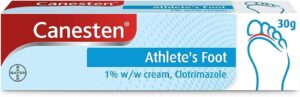
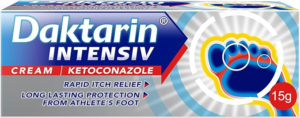
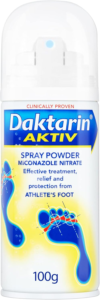
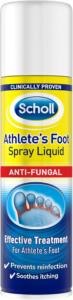
1) Antifungal creams and treatments
These are your main weapons for ringworm, jock itch, and many foot infections.
- Terbinafine-based creams (for example Lamisil AT 1% cream) are commonly used for athlete’s foot and jock itch, and terbinafine is a recognised antifungal used for multiple fungal skin infections.
- Clotrimazole-based creams (brand name Canesten) are widely used for athlete’s foot, ringworm, and other fungal skin infections.
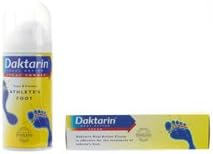
- Miconazole creams (such as Daktarin 2%) are used for fungal skin infections including athlete’s foot and “dhobie itch” (jock itch).
If you want a “quick win” approach for athlete’s foot, some guidance supports topical terbinafine as a first-line choice and often shorter courses.
2) Washes and soaps that support treatment
These can be helpful if you sweat a lot, have skin folds, or want a cleaner routine while treating.
- Gentle daily cleanser + thorough drying is often enough for most people.
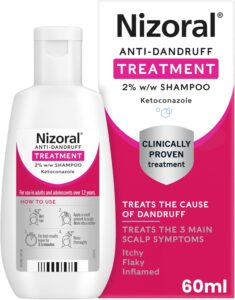
- Medicated shampoos (ketoconazole) are used for fungal conditions affecting the scalp and can also be used on the body in some situations like pityriasis versicolor, depending on instructions and professional advice.
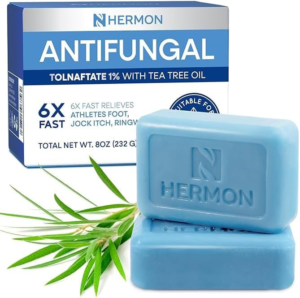
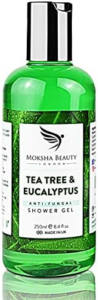
- Tea tree soaps/body washes: some people like them for freshness, but they can irritate sensitive skin. Treat them as a supporting product, not the cure (patch test first).
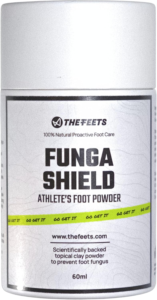
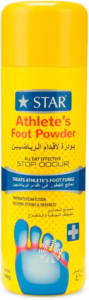
3) Powders and sprays for sweat and recurrence
These are especially useful for feet, groin, and skin folds.
- Powders/sprays can help keep skin dry, which makes reinfection less likely.
- Shoe sprays can help reduce fungal contamination inside footwear (use alongside the actual antifungal treatment).
When You Need A GP Prescription
Most uncomplicated fungal rashes respond to OTC treatment, but some situations need stronger treatment or confirmation of the diagnosis.
See a GP (or speak to a pharmacist urgently) if:
- It’s on your scalp (often needs prescription tablets and medicated shampoo).
- It’s not improving after proper OTC treatment.
- You have diabetes, are immunocompromised, or the rash is widespread.
- The skin is painful, oozing, crusting heavily, or you think there’s a bacterial infection on top.
In primary care, tests aren’t always necessary, but skin sampling can be arranged when confirmation is needed or cases keep recurring.
How To Stop It Coming Back
Clearing the rash is one thing. Keeping it away is where most people slip up. Fungal infections love repeat opportunities.
Do this for 2–4 weeks after it clears
- Keep the area dry (especially feet and groin).
- Wear clean socks daily and change if your feet get sweaty.
- Rotate shoes so they fully dry out between wears.
- Don’t share towels, and wash towels regularly during treatment.
Avoid the relapse triggers
- Tight, sweaty clothing for long periods
- Leaving damp gym kit in a bag
- Not finishing the antifungal course (even when it “looks better”)
Quick note on steroid creams
If you’re ever tempted to throw a steroid cream at an itchy rash “just to calm it down,” remember: topical steroids can worsen skin infections unless paired with proper anti-infective treatment under guidance.
Disclaimer
This article is for general information only and does not provide medical advice. Fungal skin rashes can look similar to other conditions (such as eczema, psoriasis, allergic reactions, or bacterial infections), so it’s important to get the right diagnosis. Always read and follow the instructions on any medicine or product label, and speak to a pharmacist or GP if you are unsure, pregnant or breastfeeding, treating a child, have diabetes, a weakened immune system, or if the rash is severe, spreading, painful, oozing, or not improving after treatment. In an emergency, contact NHS 111 or call 999.