
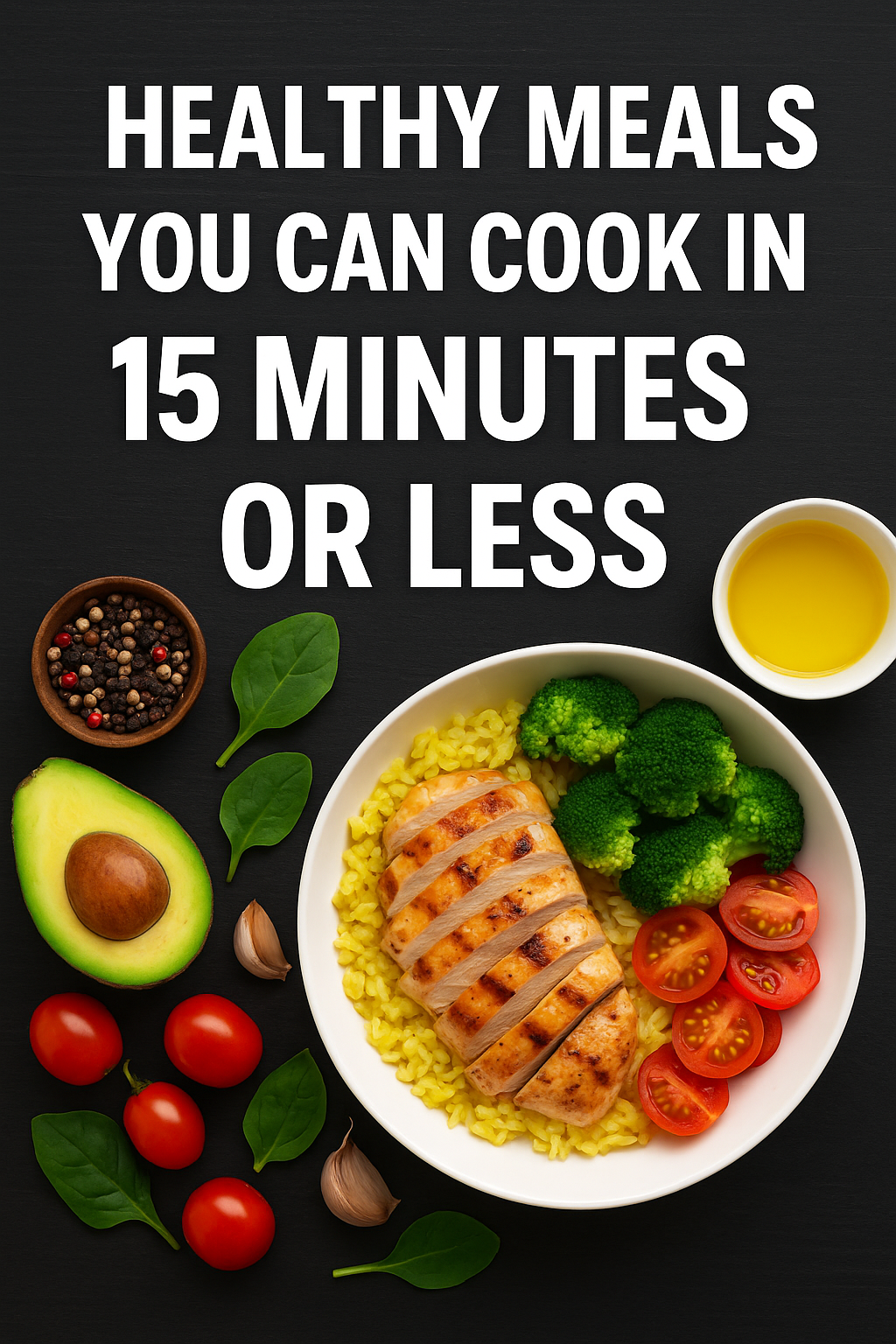
Modern life moves fast. Work deadlines, family responsibilities, long commutes, and digital distractions often leave little time for cooking. As a result, many people assume that eating healthily requires hours in the kitchen, complicated recipes, or expensive ingredients. That assumption is not only wrong, it is one of the biggest barriers preventing people from improving their health.
The truth is simple. You can cook nutritious, satisfying, and genuinely delicious meals in 15 minutes or less, even if you have limited cooking skills or a busy schedule. Healthy eating does not have to mean bland food, strict dieting, or endless meal prep sessions. With the right ingredients, smart techniques, and a basic understanding of nutrition, quick meals can be both nourishing and enjoyable.
This guide is designed for real people with real lives. Whether you are a busy professional, a parent, a student, or someone trying to improve their diet without stress, you will find practical ideas here. These meals are not about perfection. They are about consistency, balance, and making healthier choices easier than unhealthy ones.
By the end of this article, you will understand why quick meals can still be healthy, how to stock your kitchen for speed, and exactly what kinds of meals you can cook in under 15 minutes without sacrificing nutrition.
Why 15 Minute Meals Can Still Be Healthy
One of the biggest myths around healthy eating is that it takes time. In reality, many unhealthy meals take longer than healthy ones. Fast food queues, delivery waiting times, and processed meal preparation often exceed the time required to cook a simple, fresh dish at home.
Healthy meals are built on whole foods. Fresh vegetables, eggs, lean proteins, whole grains, healthy fats, and simple seasonings do not require complicated preparation. Most of them cook quickly, especially when portioned correctly.
Nutrient dense foods also tend to be more filling. When you eat meals rich in protein, fibre, and healthy fats, your body stays satisfied for longer. This reduces snacking, cravings, and overeating later in the day. In contrast, highly processed foods often leave you hungry again within hours.
Another advantage of quick home cooked meals is ingredient control. You decide how much salt, oil, sugar, and additives go into your food. This alone can significantly improve your health over time. Even basic changes like using olive oil instead of refined vegetable oil or cooking with herbs instead of heavy sauces make a difference.
Short cooking times can also preserve nutrients. Overcooking vegetables destroys vitamins, especially water soluble ones like vitamin C and B vitamins. Quick stir fries, sautés, and steaming methods help maintain nutritional value while enhancing flavour.
Most importantly, 15 minute meals encourage consistency. You are far more likely to eat healthily when it feels achievable. A plan that works every day is better than a perfect plan you abandon after a week.
Essential Ingredients To Keep For Quick Healthy Cooking
Fast healthy meals start with preparation, not cooking. Having the right ingredients available reduces decision fatigue and removes excuses. A well stocked kitchen does not need to be expensive or complex.
Proteins are the foundation of satisfying meals. Eggs are one of the fastest and most versatile options. They cook in minutes and pair well with vegetables, grains, and healthy fats. Canned fish such as tuna, salmon, and sardines are also excellent. They are affordable, nutrient rich, and require no cooking at all. Chicken breast, turkey mince, and prawns cook quickly when sliced or portioned properly.
Plant based proteins are equally useful. Lentils, chickpeas, black beans, and tofu can be used straight from the tin or packet. They absorb flavour quickly and work well in salads, wraps, and stir fries.
Vegetables should be easy and accessible. Fresh options like spinach, tomatoes, peppers, onions, mushrooms, and courgettes cook rapidly. Frozen vegetables are just as nutritious and often more convenient. They are already chopped and require minimal preparation.
Healthy carbohydrates provide energy without spikes. Wholegrain bread, brown rice microwave packets, quinoa, couscous, and oats are ideal. Couscous, in particular, cooks in under five minutes using hot water alone.
Healthy fats enhance flavour and nutrient absorption. Olive oil, avocado, nuts, seeds, and natural yoghurt are excellent choices. These ingredients add richness without excessive calories when used mindfully.
Finally, seasoning matters. Garlic, ginger, herbs, spices, lemon juice, and chilli flakes transform simple ingredients into satisfying meals. Good seasoning prevents boredom and reduces reliance on processed sauces.
Breakfast Meals You Can Make In 15 Minutes Or Less
Breakfast is often the first meal people skip when life gets busy. This is unfortunate, as a balanced breakfast can stabilise blood sugar, improve focus, and reduce overeating later in the day.
One of the fastest healthy breakfasts is eggs. Scrambled eggs with spinach and tomatoes take less than ten minutes from start to finish. Add wholegrain toast or a slice of avocado for extra fibre and healthy fats. Omelettes are equally quick and allow endless variations using leftover vegetables.
Greek yoghurt bowls are another excellent option. Combine plain Greek yoghurt with berries, nuts, seeds, and a drizzle of honey. This meal provides protein, probiotics, and antioxidants while requiring no cooking at all.
Overnight oats are prepared the night before but eaten in under a minute. Mix oats with milk or yoghurt, add fruit and seeds, and refrigerate. By morning, you have a ready made balanced breakfast.
Smoothies are ideal for people short on time or appetite. Blend frozen fruit, spinach, protein powder or yoghurt, and a liquid base. The entire process takes less than five minutes, including cleanup.
For savoury lovers, avocado toast topped with a boiled or poached egg offers a balanced combination of carbohydrates, protein, and fats. Using pre boiled eggs can reduce preparation time even further.
Breakfast does not need to be elaborate. What matters is including protein, fibre, and healthy fats to support sustained energy throughout the day.
Quick Lunch Ideas That Keep You Full And Energised
Lunch is where many people rely on convenience food, often high in refined carbohydrates and low in nutrients. With a little planning, lunch can be quick, affordable, and nourishing.
Salads do not have to be boring. A protein focused salad with grilled chicken, tuna, or chickpeas becomes a complete meal. Use pre washed greens, canned protein, chopped vegetables, and a simple olive oil and lemon dressing.
Wraps and sandwiches can be healthy when built correctly. Wholegrain wraps filled with hummus, grilled vegetables, and lean protein provide fibre and sustained energy. Avoid sugary sauces and focus on flavour from herbs and spices.
Stir fried meals are ideal for lunch. Using a single pan, sauté vegetables and protein with garlic and ginger. Add soy sauce or spices and serve over microwave brown rice. This entire meal can be prepared in under 15 minutes.
Leftovers are underrated. Cooking extra portions at dinner creates ready made lunches with no additional effort. Reheating a healthy meal is often faster than preparing a sandwich.
Soups can also be quick when using pre cooked lentils, frozen vegetables, and stock. A simple vegetable and lentil soup can be ready in ten minutes and provides hydration, fibre, and protein.
A good lunch should leave you satisfied but not sluggish. Balancing protein, fibre, and healthy fats helps maintain focus and energy throughout the afternoon.
15 Minute Dinner Recipes For Busy Evenings
Dinner is often the most stressful meal of the day. Fatigue, hunger, and time pressure lead many people to order takeaway or rely on processed food. Quick dinners offer a solution that supports both health and routine.
Stir fries are one of the fastest dinners available. Thinly sliced chicken or tofu cooks in minutes. Add vegetables, garlic, and a simple sauce made from soy sauce, lime, and chilli. Serve with quick cooking noodles or rice.
Fish is another fast cooking protein. Salmon fillets pan fry in under ten minutes and pair well with steamed vegetables or a simple salad. Canned fish can also be transformed into quick fish cakes or pasta dishes.
Pasta does not need to be unhealthy. Wholegrain or lentil pasta combined with olive oil, garlic, vegetables, and lean protein creates a balanced meal. Avoid heavy cream based sauces and focus on simple flavours.
Egg based dinners are underrated. Vegetable omelettes or frittatas provide protein and micronutrients while requiring minimal effort. Pair with a side salad for balance.
One pan meals save time and washing up. Roasting vegetables and protein together in a hot pan or skillet creates depth of flavour without complexity. Using pre cut vegetables reduces preparation time significantly.
Dinner should signal nourishment, not stress. Simple meals cooked quickly at home often feel more satisfying than elaborate recipes that require planning and cleanup.
Smart Tips To Make Healthy Cooking Faster Every Day
Speed in the kitchen is not about rushing. It is about systems. Small habits and tools can dramatically reduce cooking time and mental effort.
Batch preparation is one of the most effective strategies. Washing and chopping vegetables once or twice a week saves time during busy days. Storing ingredients in clear containers makes them easier to use.
Using the right equipment matters. A good knife, non stick pan, and electric kettle reduce preparation and cooking time. Microwave cooking is often underestimated and can be used for grains, vegetables, and reheating without nutritional loss.
Meal rotation prevents decision fatigue. Having five to ten reliable meals you enjoy makes healthy eating automatic. Variety can be added gradually without overwhelming yourself.
Keep meals simple. A protein, a vegetable, and a healthy fat are enough. Complex recipes often create unnecessary barriers and lead to burnout.
Avoid perfectionism. Eating well most of the time is more important than eating perfectly all of the time. Quick meals that support your health are always better than skipping meals or relying on ultra processed options.
Finally, view cooking as self care, not a chore. Fifteen minutes invested in your health pays dividends in energy, mood, and long term wellbeing.
Final Note
Healthy eating does not require hours in the kitchen, expensive ingredients, or professional skills. With the right mindset and a few practical strategies, 15 minute meals can become the foundation of a healthier lifestyle.
This approach is sustainable because it fits real life. When healthy choices are easy, they become habits. Over time, these small daily decisions shape long term health outcomes.
If you consistently choose quick, nourishing meals over convenience food, your body will respond with more energy, better digestion, and improved overall wellbeing.