
Creatine is one of the most researched, widely used, and effective dietary supplements in the world. From professional athletes and bodybuilders to everyday gym goers and older adults focused on healthy ageing, creatine has earned a reputation for delivering real, measurable results.
Yet despite its popularity, creatine remains misunderstood. Many people still associate it with extreme bodybuilding, assume it is unsafe, or believe it is only useful for young men lifting heavy weights. In reality, creatine offers benefits that go far beyond muscle size and strength, with growing evidence supporting its role in brain health, energy production, and overall wellbeing.
This in depth guide explains exactly what creatine is, how it works, who should take it, how to use it correctly, and whether it is safe for long term use. If you are looking for clear, evidence based information written in plain English and optimised to help you make better health decisions, you are in the right place.
What Is Creatine And How Does It Work In The Body
Creatine is a naturally occurring compound made from three amino acids: arginine, glycine, and methionine. Your body produces creatine in the liver, kidneys, and pancreas, and you also obtain small amounts from foods such as red meat and fish.
Once produced or consumed, creatine is stored primarily in skeletal muscle, where it plays a key role in energy production. Around 95 percent of the body’s creatine is found in muscle tissue, with the remaining amount located in the brain and other organs.
The ATP Connection
To understand creatine’s benefits, you need to understand ATP, or adenosine triphosphate. ATP is the body’s main energy currency. Every muscle contraction, sprint, jump, or heavy lift relies on ATP.
The problem is that ATP stores are limited and deplete quickly during intense activity. This is where creatine comes in.
Creatine helps regenerate ATP by donating a phosphate group to ADP, effectively recycling it back into usable energy. This process allows you to produce energy faster and sustain high intensity efforts for longer periods.
In simple terms, creatine helps your muscles work harder, recover faster, and perform better.
The Proven Benefits Of Creatine Supplementation
Creatine is one of the few supplements with decades of scientific research behind it. Its benefits extend beyond physical performance and into long term health.
Increased Strength And Power
Creatine is best known for increasing strength and power output. By enhancing ATP availability, creatine allows you to lift heavier weights, perform more repetitions, and generate more explosive force.
Over time, this leads to greater training volume, improved performance, and increased muscle adaptation.
Muscle Growth And Lean Mass
Creatine supports muscle growth in several ways. It increases training intensity, improves recovery between sets, and draws water into muscle cells, creating a more anabolic environment.
The result is an increase in lean muscle mass over weeks and months of consistent use combined with resistance training.
Improved Exercise Performance
Creatine improves performance in short duration, high intensity activities such as sprinting, weightlifting, HIIT, and team sports that involve repeated bursts of effort.
This makes it useful not only for gym users but also for footballers, rugby players, martial artists, and athletes across many disciplines.
Faster Recovery And Reduced Fatigue
Creatine has been shown to reduce muscle cell damage and inflammation following intense exercise. Many users report faster recovery times, less soreness, and improved readiness for subsequent training sessions.
Brain Health And Cognitive Function
Emerging research suggests creatine may support brain health by improving energy availability in brain cells. This has implications for cognitive performance, mental fatigue, sleep deprivation, and ageing.
Some studies indicate potential benefits for memory, focus, and neurological resilience, especially in older adults and vegetarians who may have lower baseline creatine levels.
Support For Healthy Ageing
Creatine may help preserve muscle mass, strength, and functional capacity as people age. This is particularly important for reducing the risk of falls, maintaining independence, and supporting metabolic health.
Different Types Of Creatine Explained
Not all creatine supplements are the same. Understanding the differences can help you choose the most effective and cost efficient option.
Creatine Monohydrate
Creatine monohydrate is the gold standard. It is the most researched, most effective, and most affordable form of creatine available.
The vast majority of scientific studies on creatine use this form, and it consistently delivers reliable results.
Micronised Creatine
Micronised creatine monohydrate has smaller particles, which may improve mixability and reduce stomach discomfort for some people. The active ingredient is the same.
Creatine HCL
Creatine hydrochloride is marketed as being more soluble and requiring smaller doses. While it may be easier on digestion for some users, it lacks the extensive research backing of creatine monohydrate.
Buffered And Blended Creatines
These products often claim superior absorption or reduced side effects. In reality, most offer no proven advantage over standard creatine monohydrate and tend to be more expensive.
For most people, creatine monohydrate remains the best choice.
How To Take Creatine For Best Results
Creatine works through saturation, not timing tricks. Consistency matters far more than when you take it.
Daily Dosage
The most common and effective dose is 3 to 5 grams per day. This is sufficient to saturate muscle creatine stores over time.
Loading Phase Explained
Some people choose to do a loading phase, taking around 20 grams per day split into four doses for five to seven days. This saturates muscles faster but is not necessary.
You can achieve the same result by taking 3 to 5 grams daily, with full saturation occurring after around three to four weeks.
Best Time To Take Creatine
Creatine can be taken at any time of day. Many people prefer taking it post workout or with a meal, as insulin may help uptake.
What matters most is daily consistency, not exact timing.
How To Mix Creatine
Creatine powder mixes well with water, juice, smoothies, protein shakes, or even coffee. It is flavourless and versatile.
Creatine And Hydration Myths
One of the most common myths about creatine is that it causes dehydration or muscle cramps.
Research consistently shows that creatine does not increase the risk of dehydration when normal fluid intake is maintained. In fact, creatine may improve cellular hydration.
As with any supplement, staying properly hydrated is important, but creatine does not place abnormal stress on the body’s water balance.
Is Creatine Safe Long Term
Creatine is one of the safest supplements ever studied.
Long term research involving healthy individuals shows no negative effects on kidney function, liver health, or cardiovascular markers when taken at recommended doses.
Creatine is safe for:
- Healthy adults
- Older adults
- Athletes and recreational exercisers
- Vegetarians and vegans
People with pre existing kidney disease or medical conditions should consult a healthcare professional before supplementation.
Creatine Side Effects What To Expect
Most people experience no side effects from creatine.
Possible mild effects include:
- Temporary water weight gain due to increased muscle hydration
- Digestive discomfort if taken in very large doses
These effects are usually avoided by sticking to 3 to 5 grams per day and ensuring adequate fluid intake.
Creatine For Women What You Need To Know
Creatine is just as effective for women as it is for men.
It does not cause bulky muscle growth unless combined with heavy training and high calorie intake. Many women use creatine to improve strength, endurance, and body composition.
Creatine may also support hormonal health, bone density, and cognitive function in women, especially during ageing.
Creatine And Weight Gain Explained
The initial weight gain some people experience comes from increased water stored in muscle cells, not fat.
This intracellular water is beneficial and contributes to improved performance and muscle appearance. Over time, any additional weight gain is typically lean mass when combined with resistance training.
Creatine For Vegetarians And Vegans
Vegetarians and vegans often have lower baseline creatine levels due to the absence of animal foods in their diet.
As a result, they may experience even greater benefits from supplementation, including improvements in strength, muscle mass, and cognitive performance.
Creatine supplements are synthetic and vegan friendly.
Creatine And Fat Loss Can They Work Together
Creatine does not directly burn fat, but it supports fat loss indirectly.
By increasing training intensity, preserving lean muscle mass, and improving recovery, creatine helps create a more favourable environment for fat loss when combined with a calorie controlled diet and exercise plan.
Who Should Consider Taking Creatine
Creatine may benefit:
- Gym users and strength trainers
- Endurance athletes doing high intensity work
- Martial artists and combat sports athletes
- Older adults focused on healthy ageing
- People seeking improved mental performance
- Vegetarians and vegans
It is one of the few supplements that offers real value across multiple populations.
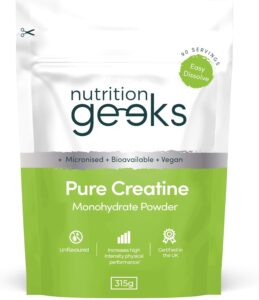
Choosing A High Quality Creatine Supplement
When buying creatine, look for:
- Creatine monohydrate
- Third party testing
- No unnecessary fillers or additives
- Transparent labelling
Avoid overpriced blends and focus on purity and reliability.
Frequently Asked Questions About Creatine
Do I Need To Cycle Creatine
No. Creatine does not need to be cycled. It can be taken continuously year round.
Can Teenagers Take Creatine
Research suggests creatine is safe for adolescents involved in supervised training, but parental guidance and professional advice are recommended.
Does Creatine Affect Hormones
There is no credible evidence that creatine negatively affects testosterone or hormone balance.
Can I Take Creatine Without Training
Yes, but the benefits are greatest when combined with resistance or high intensity exercise.
Final Thoughts On Creatine Supplementation
Creatine stands apart from most supplements because it works, it is affordable, and it is backed by decades of research.
Whether your goal is strength, muscle growth, athletic performance, cognitive health, or healthy ageing, creatine offers measurable benefits when used correctly.
Taken consistently at the right dose and combined with a balanced diet and active lifestyle, creatine is one of the smartest additions you can make to your health routine.
If you are serious about improving your physical and mental performance, creatine is not just an option. It is a proven foundation.
Disclaimer
The information provided on healthylivingguide.co.uk is for general informational and educational purposes only and is not intended as medical, nutritional, or professional advice. Always consult a qualified healthcare professional or registered dietitian before making changes to your diet, supplement routine, or lifestyle, especially if you have a medical condition, are pregnant, or are taking medication.
While we strive to keep the information accurate and up to date, we make no representations or warranties of any kind regarding completeness, accuracy, reliability, or suitability of the information provided. Any reliance you place on this information is strictly at your own risk.
This website may display advertisements and earn revenue through platforms such as Google AdSense. Advertisements shown do not constitute endorsements or recommendations of any products or services.