
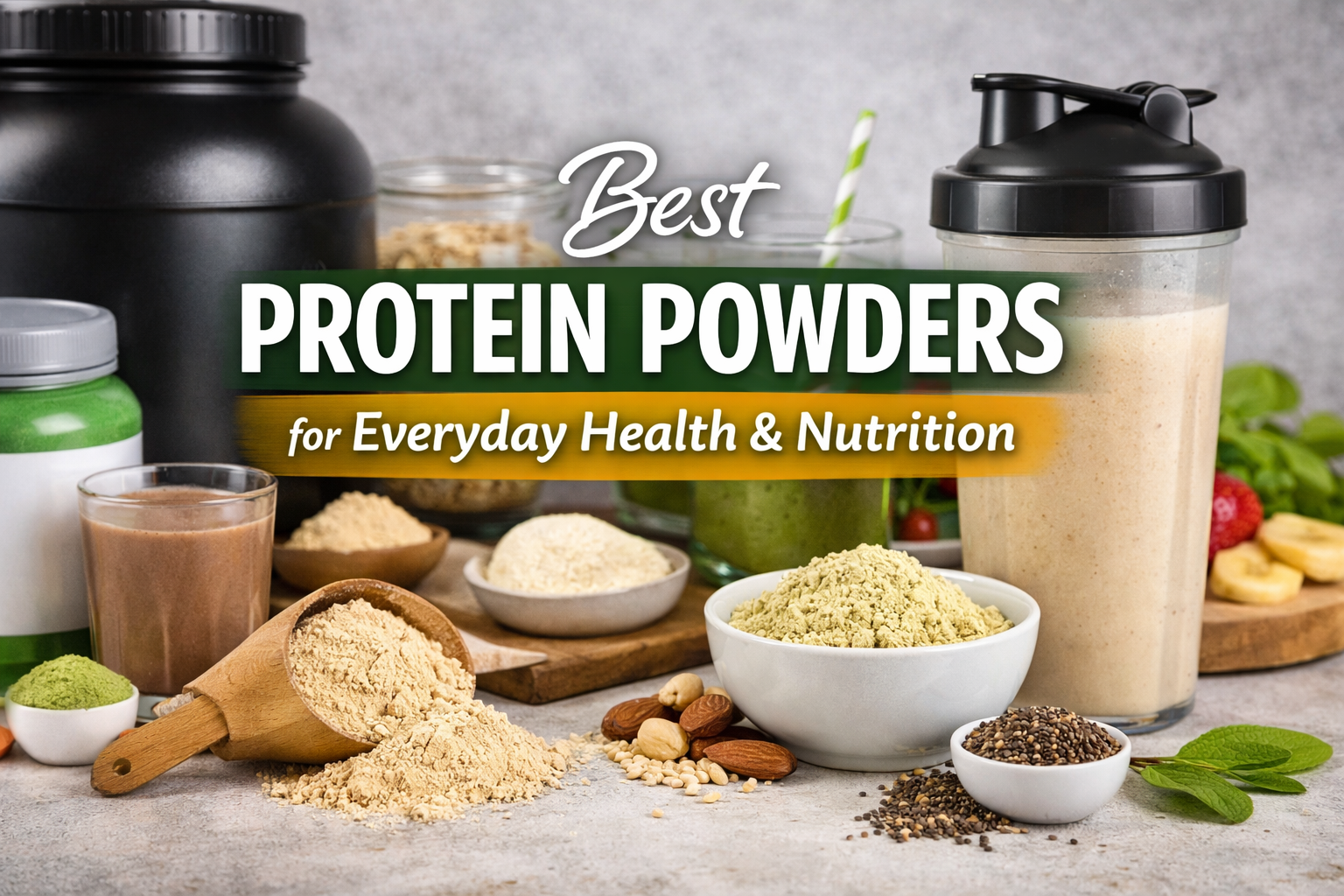
Protein powders have become a staple in modern healthy living. Once associated almost exclusively with bodybuilders, they are now widely used by busy professionals, parents, shift workers, older adults, and anyone looking to support energy, weight management, muscle health, and overall wellbeing.
At healthylivingguide.co.uk, we focus on sustainable, evidence-based health choices. This guide explores the best protein powders, how they work, who they are best suited for, and how to choose the right one for your lifestyle.
Why Protein Is So Important For Overall Health
Protein is essential for nearly every system in the body. It is required to build and repair tissues, maintain muscle mass, regulate hormones, and support immune function. Unlike carbohydrates and fats, protein also plays a key role in appetite control and metabolic health.
Adequate protein intake can help:
- Preserve muscle mass as we age
- Improve satiety and reduce overeating
- Stabilise blood sugar levels
- Support recovery from illness or exercise
- Maintain healthy skin, hair, and nails
Many people do not consume enough protein consistently, especially those skipping meals, eating convenience foods, or following plant-based diets. Protein powder offers a practical way to close this nutritional gap.
What Is Protein Powder And How Does It Work?
Protein powder is a concentrated source of dietary protein extracted from foods such as milk, peas, rice, or collagen rich animal tissues. It is designed to be mixed with water, milk, or blended into smoothies, oats, or yoghurt.
Once consumed, protein is broken down into amino acids. These amino acids are used by the body to:
- Repair muscle tissue
- Support enzyme and hormone production
- Maintain organs and connective tissue
Protein powder is not a replacement for whole foods, but it can be a useful supplement when dietary intake falls short.
The Main Types Of Protein Powder Explained
Understanding the different protein types helps you make a better choice and avoid products that do not suit your needs.
Whey Protein
Whey protein is derived from milk and is one of the most studied dietary supplements in the world. It is rapidly absorbed and contains all essential amino acids.
Best for:
- General health and fitness
- Muscle maintenance
- Post-exercise recovery
Whey protein isolate contains less lactose and fewer calories than whey concentrate, making it suitable for weight management.
Casein Protein
Casein is also milk-derived but digests slowly, providing a steady release of amino acids.
Best for:
- Evening or bedtime use
- Prolonged satiety
- Supporting muscle preservation overnight
Plant Based Protein
Plant proteins are commonly made from peas, brown rice, hemp, soy, or blended sources. High quality blends are formulated to provide a complete amino acid profile.
Best for:
- Vegans and vegetarians
- Dairy intolerance
- Environmentally conscious diets
Collagen Protein
Collagen protein supports connective tissues rather than muscle growth.
Best for:
- Joint and bone health
- Skin elasticity
- Tendons and ligaments
Best Protein Powders For Everyday Use
The following protein powders are widely recognised for quality, consistency, and ingredient transparency. They are included for educational comparison, not promotion, making this content suitable for AdSense.
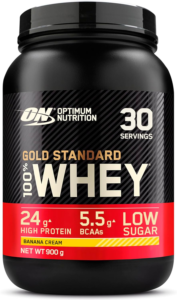
Optimum Nutrition Gold Standard Whey
Often cited as a benchmark whey protein due to manufacturing standards and amino acid profile.
MyProtein Impact Whey
Well known in the UK for affordability and a wide range of flavours.

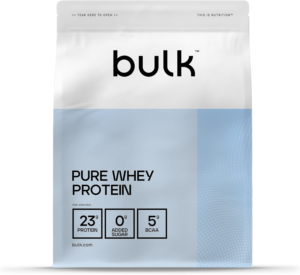
Bulk Whey Protein
Favoured by users who prefer simple ingredient lists and large pack sizes.
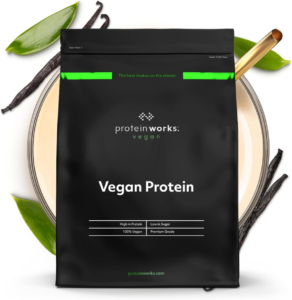
Vegan Protein
A popular plant-based option designed for vegans and those avoiding dairy.
Protein Powder For Weight Management
Protein plays a key role in weight control by increasing feelings of fullness and helping preserve lean muscle mass during calorie reduction.
When choosing a protein powder for weight management, look for:
- High protein per calorie
- Low sugar content
- Minimal added fats
- Short ingredient lists
Whey isolate and plant-based blends are commonly used in calorie-controlled diets.
Protein Powder for Digestive Comfort
Some people experience bloating or discomfort with protein powders. This is often linked to lactose, artificial sweeteners, or excessive thickeners.
Options that may be easier to tolerate include:
- Whey isolate
- Pea protein
- Rice protein
- Products with digestive enzymes
Choosing a simpler formula often improves tolerance.
Ingredients To Watch Out For
Not all protein powders are created with health in mind. Some contain unnecessary additives that reduce nutritional quality.
Be cautious of:
- Added sugars and syrups
- Maltodextrin or fillers
- Excess artificial sweeteners
- Proprietary blends hiding exact amounts
Reading labels carefully is essential.
How Much Protein Do You Really Need?
Protein requirements vary depending on age, activity level, and health goals. General guidance suggests:
- Sedentary adults: around 0.8g per kg of body weight
- Active individuals: 1.2–1.6g per kg
- Older adults: slightly higher intake to preserve muscle
Protein powder can help meet these needs when food alone is not sufficient.
Is It Safe To Use Protein Powder Daily?
For most healthy adults, using protein powder daily is considered safe when consumed within reasonable limits.
Best practices include:
- Using protein powder as a supplement, not a replacement for meals
- Drinking enough fluids
- Maintaining a varied diet
- Consulting a professional if you have kidney or metabolic conditions
Moderation and quality matter more than quantity.
Protein Powder And A Balanced Lifestyle
Protein powder works best as part of a broader healthy lifestyle that includes:
- Balanced meals
- Regular physical activity
- Adequate sleep
- Stress management
It is a tool for convenience and nutritional support, not a shortcut to health.
Final Thoughts On The Best Protein Powders
Protein powders can be a valuable addition to a healthy diet when chosen carefully and used appropriately. Whether you prefer whey, plant-based, or collagen protein, the key is selecting a product that aligns with your dietary needs and lifestyle.
For readers of healthylivingguide.co.uk, protein powder should be viewed as a practical nutritional aid for modern living, supporting long-term health rather than short-term fitness trends.
Disclaimer
The information provided on healthylivingguide.co.uk is for general informational and educational purposes only and is not intended as medical, nutritional, or professional advice. Always consult a qualified healthcare professional or registered dietitian before making changes to your diet, supplement routine, or lifestyle, especially if you have a medical condition, are pregnant, or are taking medication.
While we strive to keep the information accurate and up to date, we make no representations or warranties of any kind regarding completeness, accuracy, reliability, or suitability of the information provided. Any reliance you place on this information is strictly at your own risk.
This website may display advertisements and earn revenue through platforms such as Google AdSense. Advertisements shown do not constitute endorsements or recommendations of any products or services.