
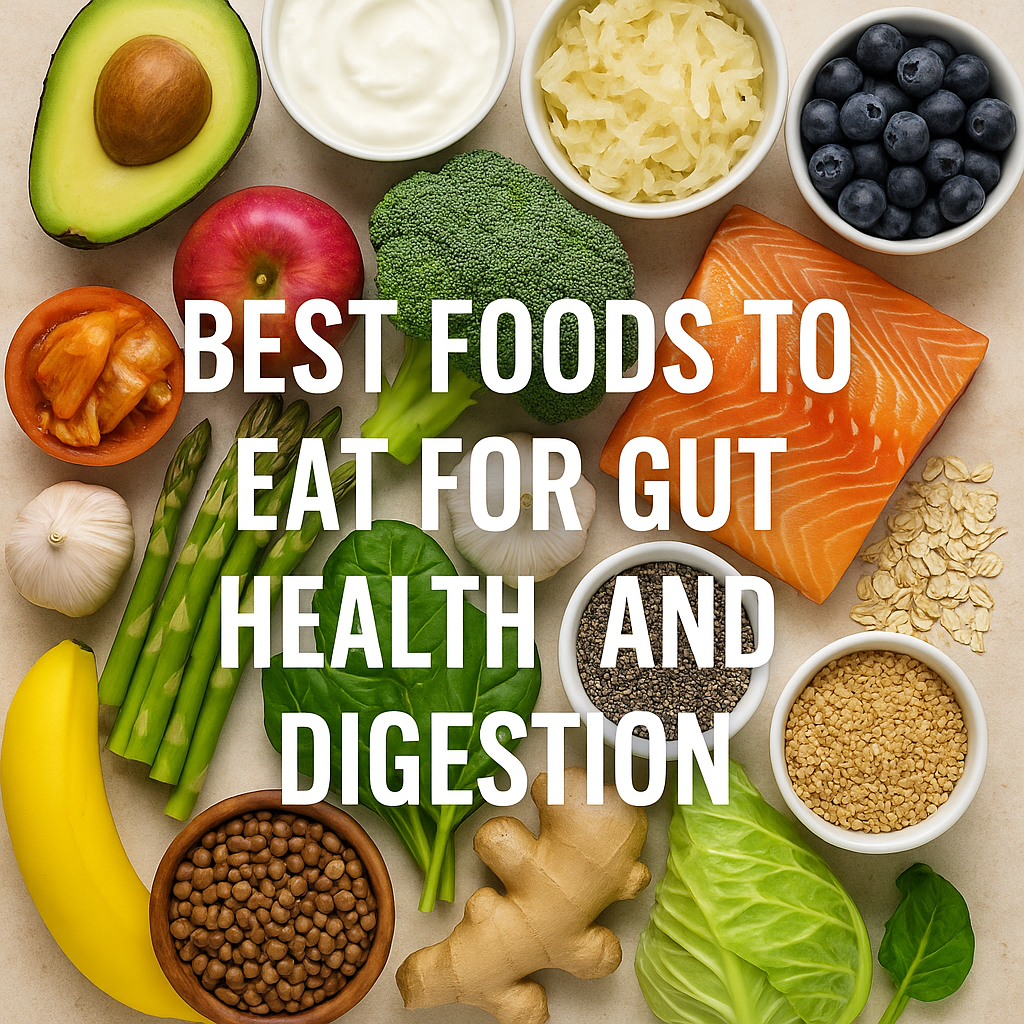
Your gut plays a far bigger role in your overall health than most people realise. Often referred to as the “second brain,” the digestive system influences everything from nutrient absorption and immune strength to mood, energy levels, and even mental clarity. When your gut is healthy, digestion feels effortless. When it’s not, bloating, discomfort, fatigue, and irregular bowel movements can become part of daily life.
Modern diets filled with processed foods, excess sugar, artificial additives, and chronic stress have quietly damaged gut health for millions of people. The good news is that the gut is remarkably resilient. With the right foods, it can repair, rebalance, and function efficiently again.
This guide explores the best foods to eat for gut health and digestion, explains why they work, and shows how to incorporate them into your daily meals in a practical, sustainable way.
Understanding Gut Health And Why It Matters
Gut health refers to the balance and function of microorganisms living in your digestive tract, known collectively as the gut microbiome. Trillions of bacteria, fungi, and microbes live in your intestines, and when they exist in harmony, digestion runs smoothly.
A healthy gut helps:
- Break down food efficiently
- Absorb vitamins and minerals
- Regulate inflammation
- Support immune function
- Communicate with the brain through the gut-brain axis
When gut health is compromised, symptoms may include bloating, gas, constipation, diarrhoea, food sensitivities, low energy, poor sleep, and even mood changes.
Several factors can disrupt gut balance:
- Highly processed diets
- Excessive sugar intake
- Overuse of antibiotics
- Chronic stress
- Poor sleep habits
- Dehydration
Food is one of the most powerful tools for restoring digestive balance. The right nutrients can nourish beneficial bacteria, strengthen the gut lining, and reduce inflammation naturally.
Fibre Rich Foods That Support Digestion
Fibre is the foundation of good digestive health. It feeds beneficial gut bacteria and keeps digestion moving efficiently through the intestines. Unfortunately, many modern diets fall far short of the recommended daily fibre intake.
There are two main types of fibre, and both are essential for gut health.
Soluble fibre dissolves in water and forms a gel-like substance in the gut. It slows digestion, stabilises blood sugar, and feeds beneficial bacteria. Insoluble fibre adds bulk to stool and helps food move smoothly through the digestive system.
Some of the best fibre-rich foods include:
Oats
Oats are rich in beta-glucan, a type of soluble fibre known to support gut bacteria and improve digestion. Regular oat consumption can help reduce bloating and promote regular bowel movements.
Lentils And Beans
Legumes are excellent sources of both soluble and insoluble fibre. They help feed beneficial bacteria while improving stool consistency. Lentils, chickpeas, kidney beans, and black beans are especially beneficial.
Apples
Apples contain pectin, a soluble fibre that acts as a prebiotic. Pectin supports beneficial gut bacteria and helps regulate digestion. Eating apples with the skin provides maximum fibre benefits.
Broccoli And Leafy Greens
Vegetables like broccoli, spinach, kale, and cabbage are rich in fibre and plant compounds that support the gut lining. They also help reduce inflammation within the digestive tract.
Chia Seeds And Flaxseeds
These small seeds are fibre powerhouses. When mixed with liquid, they form a gel that supports digestion and promotes healthy bowel movements.
Increasing fibre intake should be done gradually. A sudden increase can cause temporary bloating or discomfort. Drinking plenty of water alongside fibre-rich foods helps the digestive system adapt smoothly.
Fermented Foods And Probiotics For A Healthy Gut
Fermented foods introduce beneficial bacteria directly into the digestive system. These natural probiotics help rebalance gut flora and improve digestion over time.
Traditional diets across cultures relied heavily on fermented foods, but many modern diets have eliminated them almost entirely.
Some of the most effective fermented foods for gut health include:
Yoghurt With Live Cultures
Natural yoghurt contains beneficial bacteria such as Lactobacillus and Bifidobacterium. Choose plain yoghurt with live cultures and no added sugar for the greatest digestive benefit.
Kefir
Kefir is a fermented milk drink containing a wider variety of beneficial bacteria than yoghurt. It supports digestion, improves lactose tolerance, and enhances nutrient absorption.
Sauerkraut
Fermented cabbage is rich in probiotics and digestive enzymes. Unpasteurised sauerkraut provides the most gut-supporting benefits.
Kimchi
This Korean fermented vegetable dish supports gut health while also offering anti-inflammatory benefits. It contains fibre, probiotics, and antioxidants.
Miso
Miso is a fermented soybean paste commonly used in soups. It contains beneficial bacteria and enzymes that support digestion.
Fermented foods work best when consumed regularly in small amounts. Consistency is more important than quantity. Even a few spoonfuls per day can make a noticeable difference over time.
Prebiotic Foods That Feed Good Gut Bacteria
While probiotics introduce beneficial bacteria, prebiotics feed them. Prebiotics are types of fibre that pass through the digestive system undigested and nourish healthy gut microbes.
A balanced gut requires both probiotics and prebiotics working together.
Some of the best prebiotic foods include:
Garlic
Garlic contains inulin, a prebiotic fibre that feeds beneficial bacteria. It also has natural antimicrobial properties that help maintain microbial balance.
Onions
Onions support digestion by feeding gut bacteria and reducing inflammation. They are particularly effective when eaten raw or lightly cooked.
Bananas
Slightly green bananas contain resistant starch, a powerful prebiotic that supports gut health and digestion.
Asparagus
Asparagus promotes the growth of beneficial bacteria while supporting regular bowel movements.
Leeks
Leeks are part of the allium family and provide similar gut-supporting benefits to garlic and onions.
Including a variety of prebiotic foods ensures that different strains of beneficial bacteria are nourished. Diversity in your diet leads to diversity in your gut microbiome.
Anti Inflammatory Foods That Protect The Gut Lining
Chronic inflammation can damage the gut lining and interfere with digestion. Anti-inflammatory foods help soothe the digestive tract and support long-term gut health.
Some of the most effective anti-inflammatory foods include:
Fatty Fish
Salmon, sardines, and mackerel are rich in omega-3 fatty acids, which help reduce inflammation throughout the body, including the gut.
Olive Oil
Extra virgin olive oil supports gut health by reducing inflammation and improving digestion. It also helps beneficial bacteria thrive.
Ginger
Ginger supports digestion by stimulating digestive enzymes and reducing gut inflammation. It can help relieve bloating and discomfort.
Turmeric
Turmeric contains curcumin, a compound known for its anti-inflammatory properties. Adding turmeric to meals supports digestive health naturally.
Berries
Blueberries, strawberries, and raspberries contain antioxidants that protect the gut lining and support beneficial bacteria.
Reducing inflammatory foods such as refined sugars, processed snacks, and excessive alcohol is just as important as adding anti-inflammatory foods.
Hydration And Lifestyle Foods That Improve Digestion
Food alone is not enough to maintain gut health. Hydration and supportive lifestyle foods play a crucial role in digestion.
Water
Adequate hydration keeps digestion moving smoothly and prevents constipation. Water helps fibre do its job effectively.
Herbal Teas
Peppermint tea can help relieve bloating and gas. Chamomile supports relaxation and digestion. Ginger tea aids digestion and reduces nausea.
Bone Broth
Bone broth contains amino acids that support the gut lining. It is gentle on the digestive system and easy to absorb.
Papaya And Pineapple
These fruits contain digestive enzymes that help break down proteins and support digestion.
Simple, Whole Foods
Eating minimally processed foods reduces digestive strain. Whole foods are easier for the body to recognise and digest efficiently.
Eating slowly, chewing thoroughly, and managing stress also have a profound impact on digestion. The gut and brain are deeply connected, and stress can significantly impair digestive function.
Putting It All Together For Long Term Gut Health
Improving gut health is not about perfection. It’s about consistency and balance. A gut-friendly diet focuses on whole foods, variety, and moderation.
To support digestion long-term:
- Eat fibre-rich foods daily
- Include fermented foods regularly
- Feed beneficial bacteria with prebiotics
- Reduce inflammatory foods
- Stay hydrated
- Manage stress and sleep well
Gut health improvements often happen gradually. Many people notice reduced bloating, improved energy, and better digestion within a few weeks of consistent dietary changes.
A healthy gut supports not just digestion, but overall wellbeing. By choosing the right foods and supporting your digestive system daily, you lay the foundation for better health from the inside out.