
Acne affects millions of people across the UK, from teenagers to adults in their 30s, 40s, and beyond. It’s not just a teenage problem — stress, diet, hormones, and pollution can all trigger breakouts.
A good cleanser is the foundation of any acne-fighting routine. It helps to unclog pores, remove excess oil, reduce bacteria, and prepare the skin for treatment products. But with so many cleansers on the market, choosing the right one can feel overwhelming.
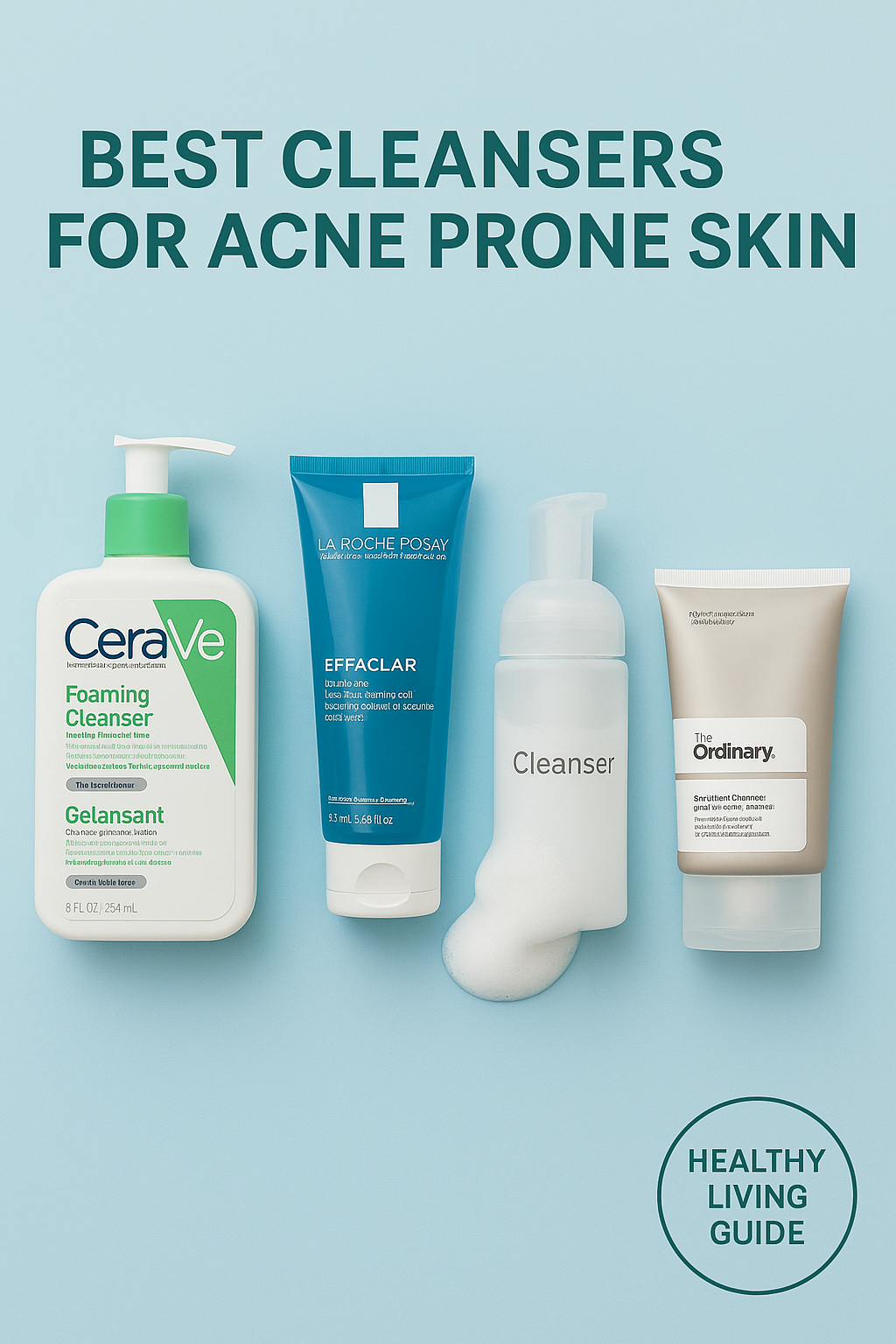
This guide breaks down the best cleansers for acne-prone skin in the UK in 2025, recommended by dermatologists, backed by science, and available on Amazon UK.
Why The Right Cleanser Matters For Acne
When it comes to acne care, many people underestimate just how important the right cleanser can be. Cleansing is the very first step in any skincare routine, and it lays the foundation for how well the rest of your products will work. Using the wrong type of cleanser can leave skin irritated, overly dry, or still clogged with impurities, while the right one can dramatically improve clarity and balance. Here’s why choosing the right cleanser is so crucial if you struggle with breakouts:
Prevents Pore Blockages
Acne begins when pores become blocked with a mix of oil (sebum), dead skin cells, and environmental debris like dirt and pollution. A good cleanser helps keep these impurities from building up in the first place, gently sweeping them away before they have the chance to clog pores and lead to blackheads, whiteheads, or inflamed spots.
Balances Oil Production
One of the biggest mistakes acne-prone individuals make is using a harsh, stripping cleanser that leaves skin feeling “squeaky clean.” While this might feel effective in the moment, it often backfires. Overly harsh cleansers disrupt the skin’s natural moisture barrier, leading to rebound oiliness as the skin tries to compensate. A properly formulated cleanser will remove excess oil without dehydrating the skin, helping to maintain a healthier, more balanced complexion.
Targets Acne-Causing Bacteria
Certain ingredients in cleansers can directly target the bacteria that contribute to acne. For example, salicylic acid is a powerful beta hydroxy acid (BHA) that penetrates deep into pores to exfoliate and reduce blockages, while also lowering levels of acne-causing bacteria. Other cleansers may include benzoyl peroxide or tea tree oil, both of which have antibacterial properties that help reduce breakouts.
Supports The Rest Of Your Treatment
Think of cleansing as prepping the canvas. When skin is properly cleansed, it allows treatments like serums, moisturisers, or prescription creams to penetrate more effectively. If dirt, oil, or leftover makeup is still on the skin, these active treatments can’t do their job as well. A clean, refreshed base ensures that every product you apply afterwards has maximum impact.
Boosts Confidence
Acne can take a real toll on self-esteem, affecting not only how you see yourself in the mirror but also how you feel in social and professional situations. By choosing a cleanser that works with your skin, you can gradually reduce breakouts, achieve a clearer complexion, and feel more confident day to day. While no cleanser is a magic fix on its own, the right one can be an empowering first step towards healthier, happier skin.
The Takeaway
A cleanser isn’t just about washing your face—it’s the foundation of your acne care routine. By preventing clogged pores, balancing oil, targeting bacteria, and boosting the effectiveness of your other treatments, the right cleanser can make a noticeable difference in your skin health and your confidence.
Key Ingredients To Look For
When shopping for acne-fighting skincare, the ingredient list is just as important as the brand name. The right actives can mean the difference between clear, healthy skin and ongoing breakouts. Here are some of the most effective ingredients you should look out for when choosing a cleanser or treatment:
Salicylic Acid (BHA)
Salicylic acid is one of the most trusted ingredients for acne-prone skin. As a beta hydroxy acid (BHA), it has the unique ability to penetrate deep into the pores where breakouts start. It gently dissolves the “glue” that holds dead skin cells together, preventing them from clogging pores. Regular use helps reduce both blackheads and whiteheads while improving overall skin texture. Because it also has mild anti-inflammatory properties, salicylic acid can calm the redness and swelling often associated with pimples.
Benzoyl Peroxide
Benzoyl peroxide is another powerhouse for tackling acne, especially inflamed or pus-filled spots. It works by introducing oxygen into the pores, which kills acne-causing bacteria that thrive in oxygen-free environments. This makes it incredibly effective at reducing active breakouts. Over-the-counter strengths are available, but stronger concentrations often require a GP or dermatologist prescription. While it’s highly effective, benzoyl peroxide can sometimes cause dryness or irritation, so it’s best introduced gradually into a routine.
Niacinamide
Also known as vitamin B3, niacinamide is a multitasking ingredient that’s gentle yet powerful. For acne sufferers, it helps reduce redness, calm inflammation, and strengthen the skin barrier. Niacinamide is also known to regulate oil production, making it particularly useful for people with oily or combination skin. On top of its acne benefits, it can improve uneven skin tone and minimise the appearance of pores, giving the complexion a smoother, healthier look.
Hyaluronic Acid
Hydration is often overlooked in acne care, with many people mistakenly thinking oily or acne-prone skin doesn’t need extra moisture. The truth is, dehydrated skin can actually produce more oil to compensate, worsening breakouts. Hyaluronic acid is a lightweight, non-comedogenic hydrator that draws water into the skin without clogging pores. It helps maintain balance, keeping skin plump, soothed, and better able to tolerate stronger acne-fighting treatments.
Non-Comedogenic Oils
While it may sound counterintuitive to use oils on acne-prone skin, certain non-comedogenic oils can actually support healing and cleansing. Oils like jojoba, squalane, and rosehip mimic the skin’s natural sebum, helping to dissolve excess oil and impurities without blocking pores. These oils can also soothe irritation and restore balance to the skin barrier, making them a gentle addition to acne-focused skincare routines.
Not all cleansers and treatments are created equal, and the ingredients you choose matter. By looking out for scientifically backed actives like salicylic acid, benzoyl peroxide, niacinamide, hyaluronic acid, and non-comedogenic oils, you can give your skin the best chance of staying clear, balanced, and healthy.
Best Cleansers For Acne Prone Skin In The UK (2025)
1. CeraVe Foaming Cleanser
- Why It Stands Out: Dermatologist favourite with ceramides + niacinamide.
- Skin Type: Normal to oily skin.
- Pros:
- Gentle but effective
- Affordable and widely available
- Hydrating while controlling oil
- Cons:
- May not remove heavy makeup fully
👉 Check CeraVe Foaming Cleanser on Amazon UK
2. La Roche-Posay Effaclar Purifying Gel Cleanser
- Why It Stands Out: Trusted French pharmacy brand, formulated for oily/acne skin.
- Skin Type: Oily and acne-prone.
- Pros:
- Soap-free
- Reduces shine & breakouts
- Gentle enough for sensitive skin
- Cons:
- Slightly higher price point
👉 View La Roche-Posay Effaclar on Amazon UK
3. Paula’s Choice Clear Pore Normalizing Cleanser
- Why It Stands Out: Designed specifically for acne-prone skin.
- Skin Type: Oily to combination.
- Pros:
- Contains salicylic acid
- Unclogs pores effectively
- Respected brand among dermatologists
- Cons:
- Pricier than drugstore options
👉 See Paula’s Choice Cleanser on Amazon UK
4. Cetaphil Gentle Skin Cleanser
- Why It Stands Out: Gentle, soap-free, recommended for sensitive and acne-prone skin.
- Skin Type: All skin types, especially sensitive.
- Pros:
- Dermatologist recommended worldwide
- Very affordable
- Can be used without water
- Cons:
- May feel too mild for oily skin
👉 Find Cetaphil Gentle Cleanser on Amazon UK
Daily Acne Cleansing Routine
Consistency is key when it comes to managing acne. A simple, well-structured cleansing routine can make a big difference in keeping pores clear, reducing inflammation, and helping treatments work more effectively. Here’s how to structure your day-to-day skincare:
Morning: Gentle Cleanse To Refresh The Skin
While you sleep, your skin continues to produce oil and shed dead skin cells. A gentle cleanse in the morning helps remove this overnight buildup, leaving your skin fresh and ready for the day. Harsh cleansers first thing in the morning aren’t necessary—opt for a mild, non-stripping formula that balances your skin without leaving it tight or dry. This prepares your skin for moisturisers, sunscreen, or makeup, ensuring everything applies smoothly.
Evening: Deep Cleanse To Wash Away The Day
Evening cleansing is the most important step of the day. Your skin collects dirt, sweat, and environmental pollution throughout the day, and if you wear makeup or SPF, that adds another layer that needs to be removed. A thorough cleanse ensures these impurities don’t sit on your skin overnight, where they can clog pores and trigger new breakouts. For heavy makeup or sunscreen users, consider double cleansing—starting with an oil-based cleanser followed by a gentle water-based one—to ensure your skin is properly clean without irritation.
Follow Up: Moisturiser And Targeted Treatments
Cleansing alone won’t solve acne, but it sets the stage for effective treatment. After washing your face, always apply a lightweight, non-comedogenic moisturiser to keep your skin barrier healthy. Many acne treatments, like salicylic acid or benzoyl peroxide, can be drying, so hydration is crucial. This is also the best time to apply targeted acne treatments, as clean skin absorbs active ingredients more effectively. Whether it’s a spot treatment, serum, or prescription cream, following cleansing with treatment ensures maximum benefits.
Avoid Over-Washing: Protect Your Skin Barrier
It’s tempting to wash your face multiple times a day when battling oily or acne-prone skin, but over-cleansing can backfire. Washing more than twice daily strips away essential oils and disrupts the skin’s natural barrier, leading to irritation, dehydration, and sometimes even more oil production. Stick to cleansing twice daily—morning and evening—and use blotting papers or oil-absorbing powders during the day if shine is a concern.
A daily acne routine doesn’t need to be complicated. With a gentle cleanse in the morning, a thorough wash at night, and consistent hydration and treatment, you can maintain healthier, clearer skin without over-stressing it. The right balance between cleansing and care is what helps keep acne under control long term
Other Tips For Clearer Skin
Cleansing and targeted treatments are important, but lifestyle and daily habits also play a big role in how your skin looks and feels. Small changes can make a significant difference in managing breakouts and preventing new ones. Here are some extra tips to help you on your journey to clearer skin:
Change Pillowcases Regularly
Your pillowcase collects oil, sweat, dead skin cells, and even residue from hair products every night. If left unwashed, this buildup transfers back to your skin and can contribute to clogged pores and irritation. Aim to change your pillowcases at least twice a week. For an extra boost, choose breathable fabrics like cotton or silk, which reduce friction and are gentler on sensitive skin.
Avoid Harsh Scrubs That Cause Micro-Tears
It can be tempting to “scrub away” acne, but harsh exfoliators with rough particles can actually damage the skin’s surface. These micro-tears make the skin more vulnerable to bacteria and inflammation, often making breakouts worse. Instead, stick to chemical exfoliants like salicylic acid or glycolic acid, which dissolve dead skin cells gently without causing trauma to the skin barrier.
Limit High-Sugar Foods That May Worsen Acne
Diet doesn’t cause acne on its own, but certain foods can influence flare-ups. High-sugar or highly processed foods may cause spikes in insulin, which can trigger increased oil production and inflammation. Try to limit fizzy drinks, sweets, and refined carbs, and instead opt for whole foods like vegetables, lean proteins, and omega-3-rich foods such as salmon or flaxseeds, which may actually help reduce inflammation.
Stay Hydrated To Support Skin Balance
Hydration is often overlooked in acne care. Drinking enough water throughout the day helps the body maintain healthy circulation and supports the skin’s ability to regulate oil production. When the skin is dehydrated, it may produce excess oil to compensate, leading to more clogged pores. Keeping hydrated helps maintain balance, leaving your skin plumper, calmer, and better able to heal from breakouts.
Be Consistent And Patient
One of the most important parts of acne care is consistency. Skincare products need time to work—typically four to eight weeks before you start noticing visible results. Switching products too quickly or expecting overnight improvements can actually prevent your skin from adjusting properly. Stick with a routine, give your products time to do their job, and track progress gradually rather than day by day.
Clearer skin isn’t achieved by one magic product—it’s the result of small, consistent habits that protect and support your skin over time. By combining the right skincare with smart lifestyle choices, you’ll give your skin the best chance to heal, rebalance, and stay healthy.
FAQs About Acne Cleansers
Q: Can a cleanser alone cure acne?
A: No — it helps manage oil and bacteria, but acne often needs a full skincare routine.
Q: Should I use hot water to wash my face?
A: No — lukewarm water is best to avoid irritation.
Q: Are natural cleansers good for acne?
A: Some can help, but dermatologist-recommended formulas tend to be more effective.
Q: How long before I see results?
A: Most users see improvements in 4–6 weeks with consistent use.
Final Thoughts
Acne can be frustrating, but the right cleanser makes a huge difference. In the UK, CeraVe, La Roche-Posay, The Ordinary, Paula’s Choice, and Cetaphil are the best cleansers for acne-prone skin in 2025.
If you want a budget-friendly daily option, try CeraVe or Cetaphil. For a dermatologist-level solution, Paula’s Choice or La Roche-Posay are excellent investments.
👉 Browse these top cleansers on Amazon UK and start building a consistent routine that supports clearer, healthier skin.
Disclaimer
This article is for informational purposes only and does not constitute medical or dermatological advice. Skincare products affect individuals differently. Always consult a qualified healthcare professional or dermatologist before starting any new skincare routine, especially if you have sensitive skin or existing conditions. Product availability and formulations may change in the UK.