
Discover the causes of lower back pain and the best exercises, diet, remedies, and Amazon UK products to relieve discomfort naturally.
Understanding The Causes Of Lower Back Pain
Lower back pain is one of the most widespread health problems globally, with millions of people experiencing it at some point in their lives. The condition not only causes discomfort but also disrupts daily activities, reduces productivity, and impacts mental health.
The lower back supports much of the body’s weight and provides flexibility for movement. Because it plays such a crucial role, even small issues can lead to significant pain. Below are the most common causes of lower back pain:
- Poor posture – Sitting hunched over a desk, slouching on the sofa, or leaning forward while using a smartphone can put excess pressure on the spine and surrounding muscles. Over time, this can cause misalignment and persistent pain.
- Muscle strain – One of the leading causes of lower back pain. Lifting heavy objects without proper technique or sudden twisting movements can strain muscles and ligaments.
- Sedentary lifestyle – Lack of exercise weakens the core and back muscles, leaving them less capable of supporting the spine. This often results in chronic pain.
- Herniated or slipped discs – When the discs between vertebrae bulge or rupture, they can press on spinal nerves, causing pain, numbness, or tingling sensations.
- Arthritis and degenerative disc disease – With age, the spinal discs wear down and joints become inflamed, leading to stiffness and pain.
- Stress and tension – Emotional stress often causes physical tension in the back, particularly the lumbar region.
- Obesity – Excess weight increases pressure on the spine and can accelerate degenerative changes.
- Accidents or injuries – Falls, sports injuries, and car accidents can all lead to acute or long-term lower back problems.
👉 Key Insight: Understanding what’s behind your pain helps you choose the right treatment. For instance, posture-related discomfort often improves with ergonomic adjustments and exercises, while disc-related pain may require medical evaluation.
Lifestyle And Posture Adjustments To Prevent Pain
Before turning to medication or treatments, small lifestyle changes can make a significant difference:
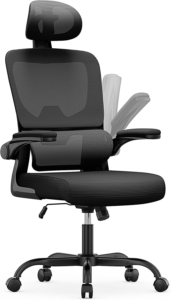
- Ergonomic chairs and desks – Choose chairs with lumbar support and adjustable height. Desks should allow your screen to be at eye level to prevent slouching.
- Workstation setup – Use a standing desk if possible. Alternating between sitting and standing reduces pressure on the spine.
- Sleeping position – Sleeping on your side with a pillow between your knees helps keep the spine aligned. Avoid sleeping on your stomach, which strains the lower back.
- Footwear – Supportive shoes prevent imbalances that lead to back pain. Avoid high heels for long periods.
- Regular breaks – If you work at a desk, stand and stretch every 30 minutes to avoid stiffness.
👉 Recommended Product:
Check Price on Amazon UK – Ergonomic Office Chair with Lumbar Support
Simple Exercises To Strengthen The Back
One of the best natural treatments for lower back pain is exercise. Movement strengthens muscles, improves flexibility, and reduces stiffness. Let’s explore some in detail:
1. Stretching For Flexibility
- Cat-Cow Stretch: Start on all fours. Arch your back upwards (like a cat) and then lower your belly down while lifting your head (like a cow). Repeat 10 times.
- Child’s Pose: Kneel and sit back on your heels, stretching your arms forward on the floor. This opens up the lower back gently.
- Knee-To-Chest Stretch: Lie on your back and pull one knee toward your chest, holding for 20 seconds, then switch sides.
2. Strengthening Exercises
- Pelvic Tilts: Lie flat on your back, bend your knees, and tighten your abdominal muscles to flatten your lower back against the floor. Hold for 5 seconds and repeat 10 times.
- Bridge Exercise: From the same position, lift your hips upward, forming a straight line from shoulders to knees. Strengthens glutes and lower back.
- Superman Exercise: Lie face down and extend your arms forward. Lift arms and legs simultaneously, holding for a few seconds. Builds spinal strength.
3. Low-Impact Activities
- Walking: Improves blood flow and reduces stiffness.
- Swimming: Provides full-body strengthening without stressing joints.
- Yoga and Pilates: Build flexibility and a strong core.
👉 Recommended Product:
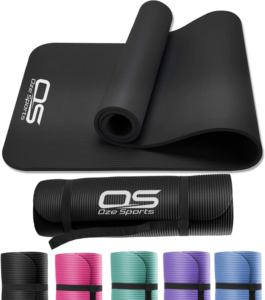
Check Price on Amazon UK – Yoga Mat
The Role Of Diet In Managing Back Pain
Food plays a powerful role in reducing inflammation, which often worsens back pain. Here’s what to focus on:
- Anti-inflammatory foods:
- Fruits and vegetables: Berries, spinach, kale, broccoli.
- Healthy fats: Avocado, olive oil, nuts, and seeds.
- Omega-3 fatty acids: Salmon, sardines, walnuts, flaxseeds.
- Spices: Turmeric and ginger are particularly effective in lowering inflammation.
- Bone-strengthening nutrients:
- Calcium: Found in dairy products, leafy greens, and fortified foods.
- Vitamin D: Essential for calcium absorption; found in fatty fish, eggs, and fortified cereals.
- Hydration: Dehydration reduces spinal disc flexibility and makes pain worse. Drink at least 2 litres of water daily.
- Foods to limit:
- Processed foods high in sugar, salt, and trans fats.
- Excess alcohol, which can weaken bones and muscles.
- Too much caffeine, which may reduce calcium absorption.
👉 Recommended Product:
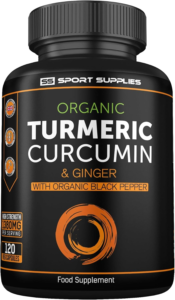
Check Price on Amazon UK – Turmeric & Black Pepper Capsules
Painkillers And Natural Remedies
Over-The-Counter Options
- Paracetamol – Provides temporary relief, particularly for mild pain.
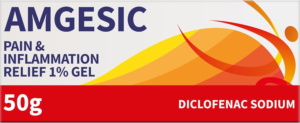
- Ibuprofen – Reduces inflammation and pain; effective for muscle strain.
Stronger Painkillers
- Codeine or Tramadol – Usually prescribed for severe pain. Should be used with caution and only under medical supervision.
Natural Remedies
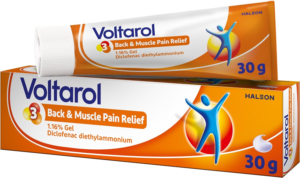
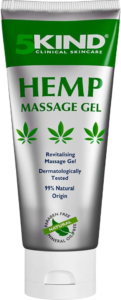
- Arnica Gel – Applied topically to reduce inflammation and swelling.
- Turmeric Supplements – Curcumin reduces inflammation naturally.
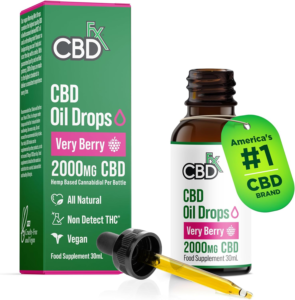
- CBD Oil – Popular for pain relief and relaxation (where legal).
- Epsom Salt Baths – Magnesium in Epsom salts relaxes muscles and eases pain.
👉 Recommended Products:
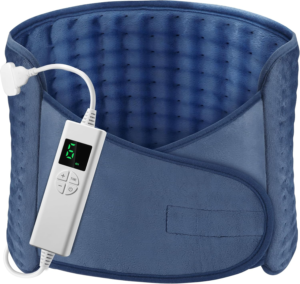
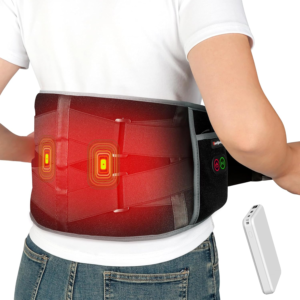
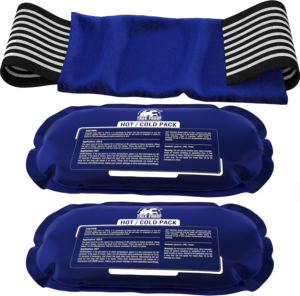
Heat Pads And Cold Therapy
Heat and cold therapies are among the simplest yet most effective remedies:
- Heat therapy – Increases blood flow, reduces stiffness, and relaxes tight muscles. Ideal for chronic pain or after exercise.
- Cold therapy – Reduces swelling and numbs sharp pain, making it useful for acute injuries.
💡 Pro Tip: Alternate between heat and cold for best results, especially after sudden injuries.
👉 Recommended Products:
Massage And Relaxation Techniques
Massage is one of the oldest and most effective ways to relieve back pain. Benefits include:
- Improved circulation.
- Reduced muscle stiffness.
- Release of endorphins, the body’s natural painkillers.
- Lowered stress levels, which often worsen back pain.
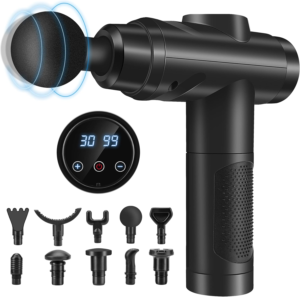
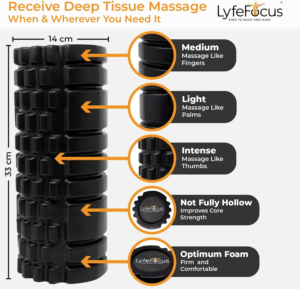
If visiting a massage therapist isn’t possible, at-home tools can help:
👉 Recommended Products:
Relaxation Methods To Try
- Yoga – Improves flexibility and reduces stress.
- Breathing exercises – Deep breathing helps relax tight muscles.
- Meditation – Reduces stress and prevents pain flare-ups.
Alternative Therapies Worth Considering
Many people turn to alternative therapies when traditional methods don’t provide enough relief:
- Chiropractic care – Adjustments may realign the spine and relieve pressure.
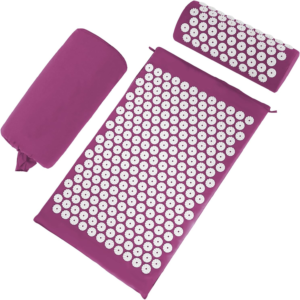
- Acupuncture – Uses thin needles to stimulate points and release pain-blocking endorphins.
- Osteopathy – Hands-on therapy to improve posture, mobility, and relieve pain.
- Physiotherapy – Tailored exercise programs strengthen weak muscles and improve flexibility.
👉 Recommended Product:
Check Price on Amazon UK – Acupressure Mat and Pillow Set
Stress Management And Mental Health
The mind-body connection is often underestimated. Stress causes muscle tension, which can worsen back pain. Managing stress is essential for long-term relief.
- Mindfulness meditation – Helps reduce anxiety and tension.
- Sleep hygiene – A consistent sleep schedule supports muscle recovery.
- Journaling – Helps process stress and emotions.
- Regular exercise – Improves mood and reduces stress-related tension.
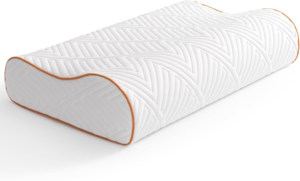
👉 Recommended Product:
Check Price on Amazon UK – Memory Foam Orthopedic Pillow
When To Seek Medical Help
While most back pain improves with home remedies, there are times when medical intervention is necessary. Contact a healthcare professional if you experience:
- Pain lasting longer than 6 weeks.
- Numbness, tingling, or weakness in the legs.
- Loss of bladder or bowel control.
- Pain following trauma such as a fall or accident.
- Unexplained weight loss or fever with back pain.
✅ Final Word: Lower back pain can be managed with a mix of lifestyle changes, exercises, natural remedies, and smart use of supportive products. Whether it’s adjusting your posture, improving your diet, or investing in tools like heat pads and massage guns, you have plenty of ways to find relief.
By making small, consistent changes, you can not only ease your pain but also prevent future flare-ups and enjoy a healthier, more active life.