

Collagen has become one of the most talked-about supplements in the health and wellness world. From glowing skin to stronger joints and healthier hair, collagen is often described as a miracle protein. But what exactly is collagen, how does it work inside your body, and is it really worth adding to your daily routine?
In this in-depth guide, we break down everything you need to know about collagen, using science-backed explanations, practical tips, and insights to help you make informed decisions.
What Is Collagen And Why Is It So Important?
Collagen is the most abundant protein in the human body, accounting for around 30 percent of total protein content. It acts as the body’s natural “scaffolding,” giving structure, strength, and elasticity to skin, bones, muscles, tendons, ligaments, and connective tissues.
Think of collagen as the glue that holds your body together.
Where Collagen Is Found In The Body
- Skin and dermis layers
- Joints and cartilage
- Bones and teeth
- Muscles and tendons
- Blood vessels and organs
As we age, our natural collagen production declines. This decline is one of the main reasons people experience wrinkles, joint stiffness, weaker hair, and slower recovery times.
Signs Your Body May Be Low In Collagen
Many people don’t realise they’re collagen deficient until symptoms appear. Common signs include:
- Fine lines and wrinkles forming earlier than expected
- Joint pain, stiffness, or cracking sounds
- Thinning hair or brittle nails
- Weak muscles or slower post-exercise recovery
- Digestive discomfort due to weakened gut lining
Collagen loss typically starts in your mid-20s and accelerates after 30, making supplementation increasingly popular.
Types Of Collagen And What They Do
There are at least 28 known types of collagen, but only a few are essential for health.
The Most Important Types
Type I
Supports skin, bones, teeth, and tendons. This is the most abundant collagen in the body.
Type II
Found mainly in cartilage and joints. Important for flexibility and mobility.
Type III
Works alongside Type I to support skin elasticity and blood vessels.
Type V and X
Support cellular surfaces and bone formation.
Most collagen supplements focus on Types I, II, and III because of their wide health benefits.
Collagen Benefits Backed By Science
1. Improves Skin Elasticity And Reduces Wrinkles
Collagen helps maintain skin firmness, hydration, and elasticity. Several studies show that collagen peptides may reduce wrinkle depth and improve skin texture over time.
2. Supports Joint Health And Reduces Pain
Collagen helps maintain cartilage integrity. Regular intake may reduce joint discomfort, especially in people with active lifestyles or age-related stiffness.
3. Strengthens Hair And Nails
Collagen provides amino acids needed to build keratin, the protein that forms hair and nails. Many users report stronger nails and reduced hair breakage.
4. Supports Muscle Mass And Recovery
Collagen contains glycine and proline, which support muscle repair and tissue regeneration, especially beneficial for older adults.
5. Improves Gut Health
Collagen may help strengthen the gut lining, potentially supporting digestion and reducing gut permeability.
Collagen Supplements vs Natural Sources
Natural Collagen-Rich Foods
- Bone broth
- Chicken skin and cartilage
- Fish skin
- Egg whites
- Gelatin
Foods That Boost Collagen Production
- Citrus fruits (vitamin C)
- Berries
- Leafy greens
- Nuts and seeds
- Garlic
While food sources help, many people struggle to consume enough collagen consistently, which is why supplements are popular.
Collagen Supplements Explained
Collagen supplements are designed to give your body the amino acid building blocks it uses to support skin, joints, tendons, ligaments, bones, and connective tissue. They’re popular because they are easy to take, usually tasteless, and fit into almost any routine. Most collagen supplements come in powder, capsule, liquid, or gummy form, and the best choice often depends on your lifestyle, budget, and what you want collagen for.
Powder, Capsule, Liquid, Or Gummies
Each format has pros and cons:
- Powder: Usually the best value and easiest way to reach an effective dose (like 10g daily). Mixes into drinks and food.
- Capsules: Convenient, but you may need several capsules to match a typical powder dose, which can be expensive long-term.
- Liquid collagen: Easy to use but often costs more per serving and may include sweeteners or flavourings.
- Gummies: Great for taste and convenience, but usually contain smaller collagen amounts and added sugar or sweeteners.
If your goal is noticeable results, powder collagen peptides tend to be the most practical because it’s easier to consistently hit the daily dose.
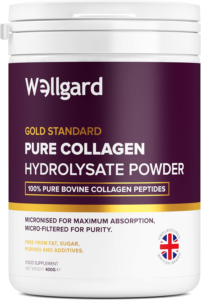
Collagen Peptides
Collagen peptides are the most common type you will see in supplements.
What they are:
These are hydrolysed forms of collagen, meaning the collagen has been broken down into smaller pieces (peptides) so it’s easier to dissolve and digest.
Why people like them:
- They are generally easier for the body to absorb and use compared to gelatin or whole collagen.
- They dissolve well in hot or cold liquids.
- They usually have a neutral taste, making them easy to add to coffee, tea, smoothies, oats, yoghurt, or soup.
Best for:
Skin support, joint support, recovery, and everyday use because they are the easiest to take consistently.
Marine Collagen
Marine collagen is sourced from fish, typically the skin and scales.
Why it’s popular:
Marine collagen is often marketed as having higher bioavailability, meaning it may be absorbed efficiently due to its structure and smaller peptide size. It’s also commonly associated with skin benefits, such as hydration, elasticity, and a more “plump” appearance over time.
Things to watch:
- Not suitable if you have a fish or seafood allergy.
- It can be more expensive than bovine collagen.
- Some people notice a slight taste or smell in lower-quality products, though many modern brands process it well.
Best for:
People mainly focused on skin and anti-ageing support, and those who prefer a fish-based source.
Bovine Collagen
Bovine collagen is derived from cows and is one of the most widely available and affordable options.
Why it’s used:
Bovine collagen is naturally rich in Type I and Type III collagen, which are commonly linked with:
- skin structure and firmness
- connective tissue support
- bones and tendons
This makes it a versatile, “all-rounder” collagen supplement for many people.
Things to watch:
- If you avoid beef for dietary or religious reasons, check sourcing carefully. Some products are labelled grass-fed or pasture-raised, but quality varies.
Best for:
People who want a cost-effective collagen option for skin, joints, tendons, and general support.
Vegan “Collagen Boosters”
This is an important one because it’s easy to misunderstand.
What they are:
Vegan products do not contain collagen, because collagen is an animal-derived protein. Instead, they provide nutrients that support your body’s own collagen production.
Common ingredients include:
- Vitamin C (essential for collagen formation)
- Zinc and copper (support connective tissue and skin health)
- Silica (often included for hair, skin, and nails)
- Amino acids like glycine, proline, and lysine
- Plant extracts marketed for skin support, such as rosehip, acerola, or bamboo silica
What to expect:
Vegan collagen boosters can be useful if your diet is low in those nutrients, but the results may be less direct than taking collagen peptides because you’re relying on your body to make more collagen rather than consuming collagen peptides directly.
Best for:
Vegans, vegetarians, or anyone who does not want animal-based supplements but still wants to support skin and connective tissue.
Quick Tip For Choosing The Right One
- If you want the simplest and most effective option: collagen peptides powder
- If your focus is mainly skin: marine collagen
- If you want an all-round, affordable choice: bovine collagen
- If you avoid animal products: vegan collagen booster
If you tell me your main goal (skin, joints, gym recovery, hair and nails, or gut support), I’ll recommend the best type and a realistic daily dose to match it.
How To Take Collagen For Best Results
If you want collagen to actually do something, consistency matters more than anything. Collagen works in the background by supporting gradual repair and renewal, so it’s best used like a daily habit rather than a “take it now and feel it today” supplement. Here’s how to take it properly for the best chance of seeing results.
Take collagen consistently for at least 8 to 12 weeks
Collagen benefits are typically slow and steady. Many people start noticing changes in skin hydration, joint comfort, or recovery only after several weeks of daily use. A good rule is to commit to 8 to 12 weeks before judging whether it’s worth it. Missing days here and there is not the end of the world, but taking it “randomly” usually leads to disappointing results.
Pair it with vitamin C to support collagen formation
Vitamin C is important because your body uses it in the process of building collagen. Collagen supplements provide amino acids, but vitamin C helps your body actually put those building blocks to work. You do not need anything fancy. Simply take collagen alongside a source of vitamin C such as:
- an orange, kiwi, berries, or pineapple
- bell peppers, broccoli, or tomatoes
- a small vitamin C supplement if your diet is low in fruit and veg
Take it on an empty stomach or post workout
Some people prefer collagen first thing in the morning on an empty stomach, while others take it after training. Either approach can work, and the “best” option is the one you will stick to daily.
Common timing options:
- Morning on an empty stomach: simple and consistent
- Post workout: popular for people using collagen for joints, tendons, and recovery
- Evening: fine if it fits your routine better
The truth is that timing is less important than consistency, but taking it at a set time each day makes it easier to build the habit.
Mix collagen powder into drinks and meals you already consume
One of the reasons collagen is so easy to use is that hydrolysed collagen usually dissolves well and has little taste. You can add it to:
- coffee or tea
- smoothies or protein shakes
- yoghurt or oats
- soups, stews, or sauces
Tip: If you are mixing it into hot drinks, let the drink cool slightly first if you prefer, but most collagen powders handle heat well in normal kitchen use.
How much collagen should you take per day
Most people take 5g to 15g per day, depending on their goal and the product type.
A practical guide:
- 5g per day: good for general maintenance, skin support, and beginners
- 10g per day: a strong “sweet spot” for many people for skin and joint support
- 15g per day: often used for heavier training, recovery, or joint and tendon focus
If you are new to collagen or have a sensitive stomach, start with 5g for the first week, then increase gradually.
Extra tips that make a real difference
- Choose hydrolysed collagen peptides for easiest mixing and digestion
- Look for a product with minimal added ingredients if you want fewer side effects
- If you are taking it for joints or tendons, pair it with regular movement and strength work for best results
- Stay realistic: collagen supports improvements, but it works alongside sleep, hydration, and overall protein intake
If you want, tell me your main goal (skin, joints, gym recovery, hair and nails, or all of the above) and I’ll suggest the most suitable daily dose and the best time to take it for that specific goal.
Does Collagen Really Work Or Is It Just Hype?
Collagen is not a miracle cure, but it can be genuinely effective when used correctly and consistently. The key thing to understand is that collagen supports your body’s long term rebuilding process, so the benefits tend to be gradual rather than instant. Most people who notice a real difference are the ones who take it daily and give it time, instead of expecting a quick transformation after a few days.
Collagen is best thought of as a supportive building block. Your body is constantly repairing skin, joints, tendons, ligaments, and connective tissue. Collagen peptides provide amino acids that may help support that repair, but your body still needs the right overall conditions to do the work. That’s why collagen tends to deliver the best results when it’s combined with healthy basics.
Here’s what people who get the strongest results usually do alongside collagen:
Balanced nutrition
Collagen supplements are only one small piece of the bigger picture. A diet built around whole foods gives your body the vitamins and minerals needed for tissue repair, including nutrients that help your body create and protect collagen. Regular fruit and veg matter here, not just “more supplements.”
Adequate protein intake
Collagen is a protein, but it shouldn’t be your only protein source. Your body also needs complete proteins from foods like eggs, fish, lean meat, dairy, tofu, beans, and lentils to support muscle maintenance and overall recovery. If your daily protein intake is too low, collagen can’t fully make up for that gap.
Regular movement or exercise
Connective tissue responds to movement. Gentle, consistent activity can support joint health, circulation, mobility, and recovery. Strength training, walking, stretching, yoga, and low impact cardio can all complement collagen because they give your body a reason to maintain and reinforce the tissues collagen supports.
Proper hydration
Skin, joints, and fascia rely heavily on hydration. If you’re constantly dehydrated, your skin may look dull and your joints may feel less “smooth,” regardless of supplements. Collagen works best when your body has enough water to support normal tissue function.
Consistency and patience
This is the part many people miss. Collagen isn’t like caffeine where you “feel it” immediately. It’s more like a slow investment. People who benefit most typically use it daily, keep the rest of their routine solid, and judge results over weeks rather than days.
In short, collagen works best as part of a healthy lifestyle, not as a standalone solution. If you combine collagen with solid nutrition, enough protein, regular movement, and good hydration, you give your body the best possible environment to actually use it, and that’s when the real results tend to show up.
Potential Side Effects And Safety
Collagen is generally considered safe for most people, especially when taken in normal supplement doses and sourced from reputable brands. Most users take collagen without any issues at all. That said, like any supplement, it can cause side effects in some people depending on the type of collagen, added ingredients, dosage, and your personal sensitivities.
Here are the most common potential side effects to be aware of:
Mild digestive discomfort
Some people notice bloating, gas, nausea, or a slightly upset stomach when they first start collagen. This is usually mild and often settles once your body gets used to it. It can help to start with a smaller serving and build up slowly, or take it with food rather than on an empty stomach.
Feeling overly full
Collagen is a form of protein. If you take a larger dose (especially in powder form mixed into drinks), it can make you feel fuller than expected. This is not harmful, but it may be uncomfortable if you take it right before a meal or if you are sensitive to higher protein intake. Splitting your dose into two smaller servings can solve this for many people.
Allergic reactions
Allergic reactions are uncommon but possible, particularly with marine collagen (made from fish) or collagen products derived from shellfish. If you have a known fish or seafood allergy, marine collagen may not be suitable. Beef (bovine) and chicken collagen can also cause reactions in people with specific sensitivities, though this is less common. Signs of an allergic reaction may include itching, hives, swelling, wheezing, or trouble breathing. If any of those happen, stop immediately and seek medical help.
Added ingredients can be the real issue
Many collagen products include extras like sweeteners, flavourings, preservatives, caffeine, herbal blends, biotin, hyaluronic acid, or vitamin mixes. Sometimes it is not the collagen causing the problem, but one of these added ingredients. This is why a “clean” collagen with minimal ingredients is often the safest starting point if you have a sensitive stomach.
Quality and sourcing matters
Because supplements are not all made to the same standards, quality can vary. Low quality products may contain unnecessary fillers or may not be tested as thoroughly for purity. Choosing a trusted brand with clear sourcing and third party testing can reduce your risk of unwanted side effects.
Who should be extra cautious
Collagen is widely used, but it is sensible to check with a healthcare professional before taking it if you:
- are pregnant or breastfeeding
- have a serious food allergy (especially fish or seafood)
- have a medical condition affecting digestion or protein metabolism
- take regular medication and want to avoid ingredient interactions
Quick safety tips
To stay on the safe side:
- Always check the ingredient label carefully for allergens and additives
- Choose the right source (bovine, marine, chicken) for your needs and allergies
- Start with a small dose for the first week
- Stop using it if you notice persistent digestive issues or any allergic symptoms
Always check ingredient labels for allergens, flavourings, sweeteners, and any additional active ingredients so you know exactly what you are taking.
Is Collagen Worth Taking?
For many people, the answer is yes.
If your goal is healthier skin, stronger joints, improved recovery, or better hair and nails, collagen can be a valuable addition to your routine. It becomes even more relevant as you age, because your body’s natural collagen production gradually declines over time. That drop can show up in subtle ways at first, like drier skin, slower recovery after exercise, or joints that feel a bit stiffer than they used to.
Collagen can also be a smart option if your diet is low in collagen rich foods. Many modern diets include plenty of muscle meat but very little of the parts that naturally contain collagen, such as skin, bones, connective tissue, and slow cooked broths. In that case, a collagen supplement can be an easy way to “top up” without changing your meals dramatically.
That said, collagen is not magic. The biggest results usually happen when collagen is paired with basics that support your body’s ability to build and maintain connective tissue. Think enough protein overall, vitamin C from fruit and vegetables, good sleep, and consistent training rather than random bursts of exercise. Collagen works best as part of a bigger routine, not as a replacement for one.
It is also worth setting realistic expectations. Some people notice improvements in skin hydration and elasticity after consistent use, while others mainly feel the benefits in joint comfort or training recovery. Like most supplements, results depend on your starting point, your lifestyle, and how consistently you take it.
If you want the best chance of seeing a difference, choose a reputable hydrolysed collagen product, take it daily, and give it enough time. Most people trial it for several weeks before deciding if it is worth continuing. If you are pregnant, breastfeeding, have allergies, or take medication, it is sensible to check with a healthcare professional before starting any new supplement.
Final Thoughts On Collagen
Collagen plays a foundational role in the body. It helps give structure and strength to your skin, joints, bones, tendons, ligaments, and many other tissues. Yet most people do not really think about collagen until they start noticing changes that come with time, such as drier skin, fine lines, slower recovery after exercise, or joints that feel stiffer than they used to. That is usually when collagen goes from being an “invisible” part of health to something people actively want to understand and support.
The good news is that collagen is not mysterious. Once you understand how it works, it becomes easier to make practical choices that support your body’s natural collagen production. That includes eating enough protein, getting vitamin C from whole foods, staying hydrated, moving your body regularly, and protecting your skin from the lifestyle factors that break collagen down faster. Supplements can also help, especially when your diet is low in collagen rich foods or when you want a simple, consistent way to add collagen peptides into your routine.
It is also important to keep expectations realistic. Collagen is not a quick fix and it will not replace good sleep, balanced nutrition, or sensible training. The people who benefit most tend to be those who take collagen consistently, choose a quality product, and give it enough time to work. Improvements, when they happen, are usually gradual and show up as small but meaningful changes, such as better skin hydration, improved comfort in joints, or steadier recovery after workouts.
When used consistently and combined with a healthy lifestyle, collagen can be a worthwhile addition that supports overall wellbeing from the inside out. It is one of those supplements where the biggest value often comes from making it part of a bigger routine you can actually stick to long term.
Disclaimer
The information provided on healthylivingguide.co.uk is for general informational and educational purposes only and is not intended as medical, nutritional, or professional advice. Always consult a qualified healthcare professional or registered dietitian before making changes to your diet, supplement routine, or lifestyle, especially if you have a medical condition, are pregnant, or are taking medication.
While we strive to keep the information accurate and up to date, we make no representations or warranties of any kind regarding completeness, accuracy, reliability, or suitability of the information provided. Any reliance you place on this information is strictly at your own risk.
This website may display advertisements and earn revenue through platforms such as Google AdSense. Advertisements shown do not constitute endorsements or recommendations of any products or services.