
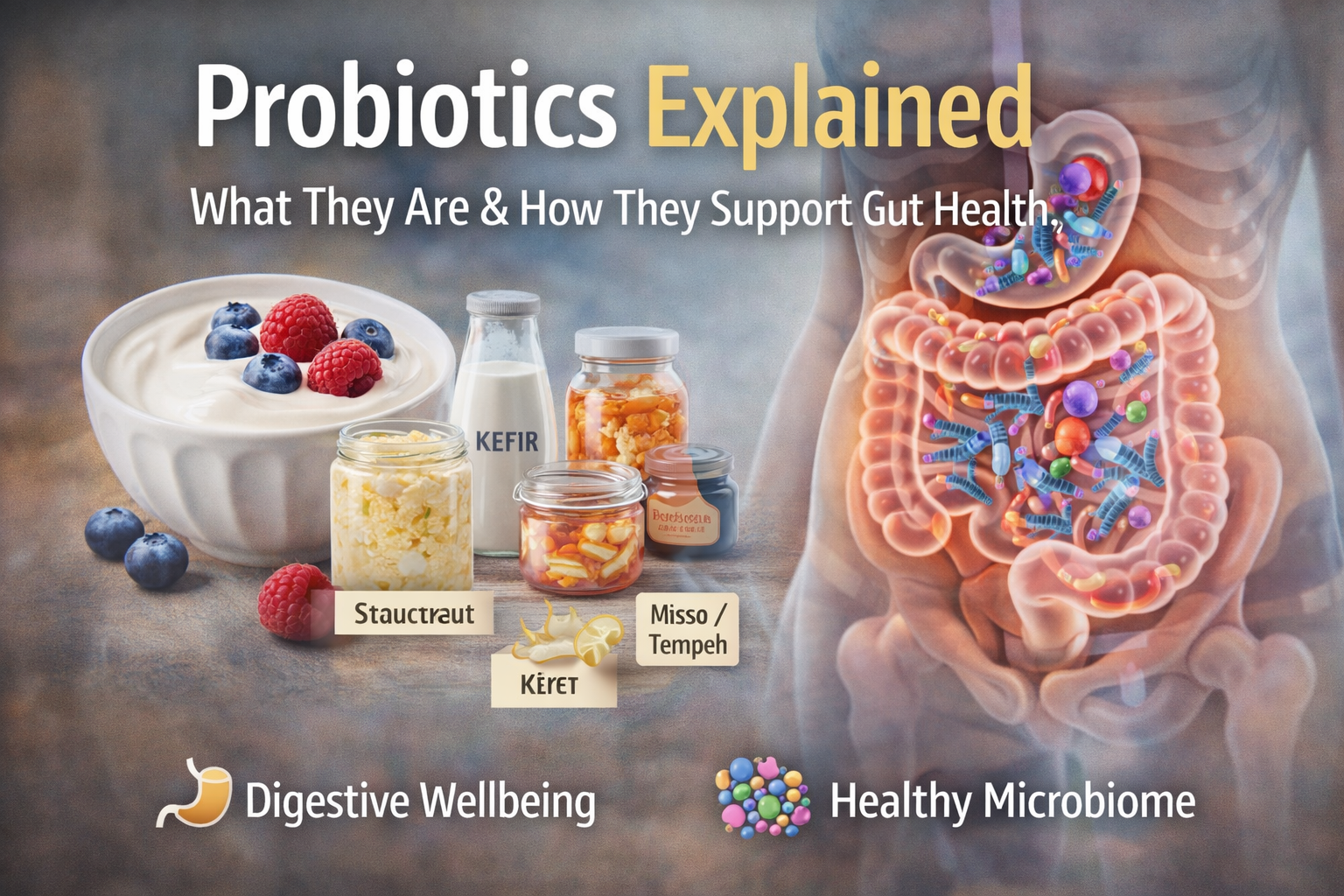
Probiotics have become a popular topic in health and wellbeing, often mentioned in connection with digestion, immunity, and overall balance in the body. They are commonly found in certain foods and supplements and are frequently described as “good bacteria”. While the idea may sound simple, probiotics play a complex and important role in how the body functions.
This article explains probiotics in clear, practical terms. It covers what probiotics are, how they work in the body, where they can be found, and what to consider when including them as part of a healthy lifestyle. The focus is purely informational and designed to help readers better understand this widely discussed topic.
What Are Probiotics
Probiotics are live microorganisms, most commonly bacteria, that are naturally present in the human body. They are especially concentrated in the digestive system, where they form part of the gut microbiome.
The gut microbiome refers to the community of trillions of microorganisms that live in the digestive tract. These microorganisms include both beneficial and non-beneficial bacteria, and balance between them is considered important for digestive comfort and overall wellbeing.
Probiotics And The Gut Microbiome
Probiotics contribute to the diversity of bacteria in the gut. A diverse microbiome is often associated with better digestive resilience and stability. Rather than acting alone, probiotics work alongside many other microorganisms to support everyday bodily processes.
How Probiotics Work In The Body
Probiotics interact with the digestive system in several ways. They do not permanently replace existing bacteria, but they may help support balance within the gut environment.
Supporting Digestive Processes
Probiotics may assist with breaking down certain components of food and supporting regular digestion. Many people associate probiotics with digestive comfort, although responses can vary between individuals.
Interaction With The Immune System
A large portion of the immune system is located in the gut. Probiotics interact with immune cells in the digestive tract, which is why they are often discussed in relation to immune health and resilience.
Probiotics And Gut Barrier Function
The gut lining acts as a barrier between the digestive contents and the rest of the body. Probiotics may play a role in supporting this barrier by interacting with gut lining cells and other bacteria.
Common Sources Of Probiotics
Probiotics can be found naturally in certain foods as well as in supplement form. Food-based sources are often included as part of traditional diets around the world.
Fermented Foods That Contain Probiotics
Some common fermented foods include:
- Live yoghurt with active cultures
- Kefir
- Sauerkraut
- Kimchi
- Miso
- Tempeh
Not all fermented foods contain live probiotics, as processing methods such as pasteurisation can reduce or eliminate live bacteria.
Probiotic Supplements
Probiotic supplements are available in various forms, including capsules, powders, and liquids. These products contain specific strains of bacteria in measured amounts.
Different products may contain different strains, and not all probiotics serve the same purpose. This is why professional guidance can be helpful when considering supplements.

Understanding Probiotic Strains
Probiotics are not all the same. Each strain of bacteria has unique characteristics.
Commonly Discussed Probiotic Strains
Some widely known groups include:
- Lactobacillus
- Bifidobacterium
Within each group, there are many individual strains. The presence of multiple strains in foods and supplements contributes to diversity within the gut.
Why Strain Variety Matters
Different strains interact with the body in different ways. A varied diet that includes fermented foods may support broader microbial diversity compared to relying on a single source.
Probiotics And Digestive Comfort
Many people explore probiotics to support digestive comfort, particularly during periods of dietary change, stress, or routine disruption.
Factors That Can Affect Gut Balance
Gut balance may be influenced by:
- Diet and hydration
- Stress levels
- Sleep quality
- Travel or changes in routine
Probiotics are often discussed as one part of a wider approach to digestive wellbeing rather than a standalone solution.
Lifestyle Factors That Influence Probiotic Effectiveness
Probiotics do not work in isolation. Their interaction with the body is influenced by daily habits and overall lifestyle.
Nutrition And Fibre Intake
Fibre-rich foods help nourish gut bacteria. Fruits, vegetables, whole grains, and legumes provide compounds that support bacterial activity in the digestive system.
Stress And The Gut
Stress can influence digestion and gut function. Managing stress through movement, relaxation, and routine may support a healthier gut environment.
Sleep And Gut Health
Sleep patterns influence many aspects of health, including digestion. Consistent sleep routines may help support balance within the gut microbiome.
Common Myths About Probiotics
As probiotics have gained popularity, several misconceptions have also emerged.
Myth One Probiotics Work Instantly
Probiotics are not a quick fix. Changes in gut balance often take time and vary between individuals.
Myth Two More Probiotics Are Always Better
Higher amounts do not always mean better results. Balance and consistency are generally more important than quantity.
Myth Three Probiotics Replace A Healthy Diet
Probiotics work best when combined with a balanced diet and healthy lifestyle habits.
Who May Consider Probiotics
People explore probiotics for many reasons, including digestive changes, dietary adjustments, or general wellbeing support.
Situations Where Guidance May Be Helpful
Professional advice may be useful for:
- Ongoing digestive discomfort
- Considering probiotic supplements
- Managing existing health conditions
- Making significant dietary changes
A healthcare professional can help assess individual needs and provide personalised guidance.
A Balanced View Of Probiotics
Probiotics are a natural part of the human digestive system and have been consumed through fermented foods for generations. While they are widely discussed in modern health conversations, they are best understood as one piece of a larger wellbeing puzzle.
Supporting gut health involves a combination of balanced nutrition, regular movement, stress management, and adequate rest. Probiotics may play a supportive role within this broader lifestyle approach.
Disclaimer
This article is for informational purposes only and does not constitute medical advice. It is not intended to diagnose, treat, cure, or prevent any medical condition. Always consult a qualified healthcare professional before starting supplements or making changes related to digestive or gut health.