
Cortisol is often described as the body’s “stress hormone”, but that label only tells part of the story. While cortisol is closely linked to stress, it also plays an essential role in many everyday processes that help the body function properly. From regulating energy levels to supporting metabolism and immune responses, cortisol is a hormone the body relies on every single day.
In recent years, cortisol has become a popular topic in health and wellness conversations. Social media, blogs, and fitness trends frequently mention “high cortisol”, “low cortisol”, or “cortisol imbalance”. This has led to confusion and, in some cases, unnecessary concern. Understanding what cortisol actually is, how it works, and what influences its levels can help people make more informed lifestyle choices without fear or misinformation.
This article explains cortisol in clear, simple terms, focusing on its role in the body, how daily habits affect it, and when it may be appropriate to seek professional advice.
What Is Cortisol And Why Does The Body Produce It
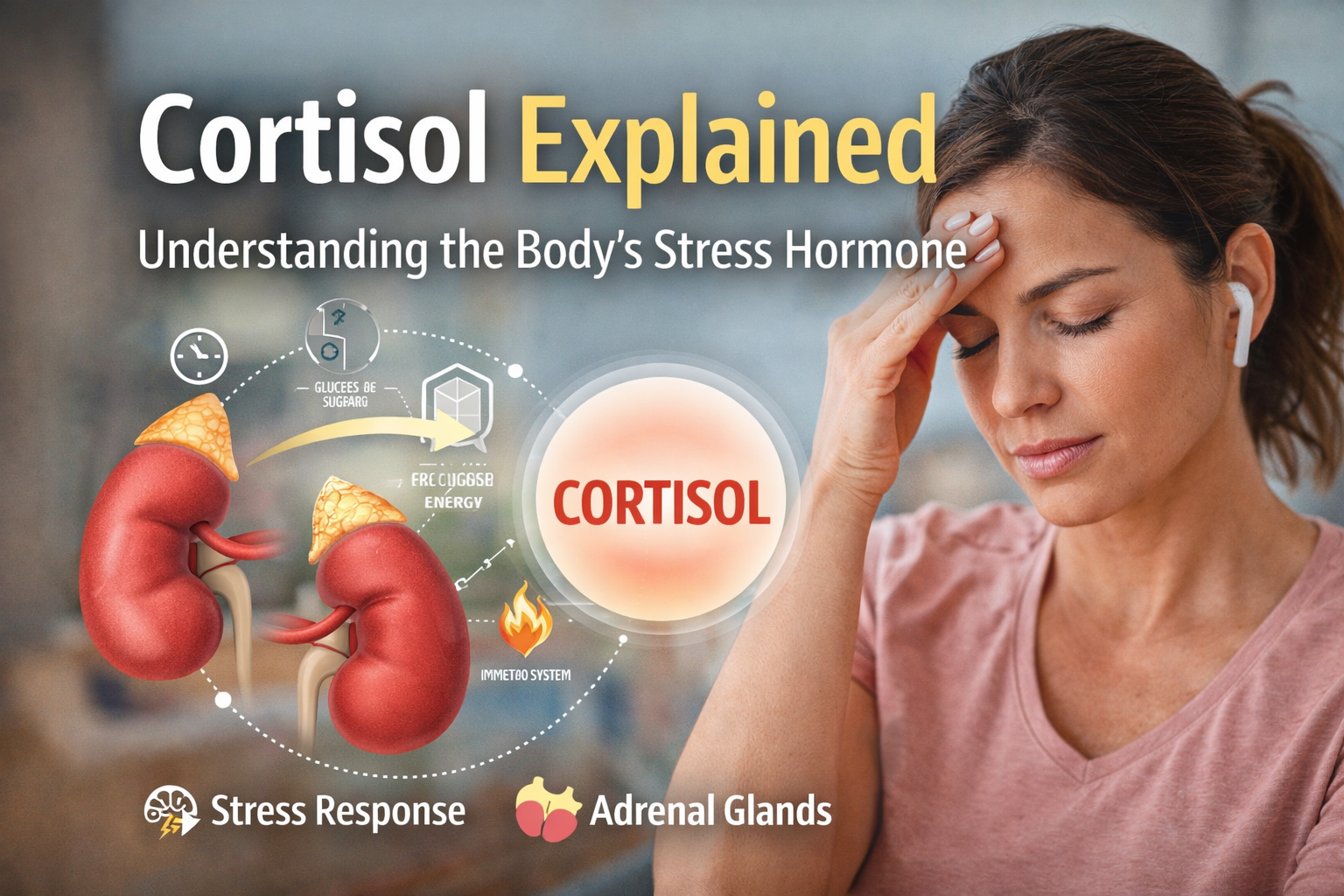
Cortisol is a hormone produced by the adrenal glands, which sit just above the kidneys. It is released as part of the body’s natural response to stress, but it is also involved in many routine functions that occur even when a person feels calm.
Cortisol follows a daily rhythm known as the circadian cycle. Levels are typically higher in the morning, helping the body wake up and feel alert, and gradually decrease throughout the day, reaching their lowest point at night.
Cortisol’s Role In Everyday Health
Cortisol helps:
- Regulate how the body uses carbohydrates, fats, and proteins
- Support blood pressure and circulation
- Influence sleep and wake cycles
- Assist the body’s response to physical and emotional stress
Without cortisol, the body would struggle to respond to challenges, both physical and mental.
The Relationship Between Cortisol And Stress
Cortisol is most commonly associated with stress because it is released during the body’s “fight or flight” response. When the brain perceives a threat, it signals the adrenal glands to release cortisol and other hormones.
This response is designed to be short-term and protective.
Acute Stress Versus Long-Term Stress
Short bursts of cortisol can be helpful. For example, cortisol may increase alertness during a busy day or provide energy during physical exertion.
However, prolonged stress may lead to cortisol being released more frequently or for longer periods. Modern stressors such as work pressure, financial worries, lack of sleep, and constant digital stimulation can all influence how often this response is activated.
Stress Does Not Always Feel Dramatic
It is important to note that stress does not always feel intense or obvious. Everyday factors such as irregular sleep, overworking, or poor recovery between activities may still affect cortisol patterns over time.
How Cortisol Affects Energy Levels And Metabolism
Cortisol plays a role in how the body manages energy. It helps ensure that glucose is available in the bloodstream when the body needs it, particularly during times of increased demand.
Cortisol And Blood Sugar Regulation
Cortisol supports blood sugar balance by encouraging the release of stored energy. This process is useful in short-term situations but can feel disruptive if energy levels fluctuate frequently.
Some people notice:
- Feeling wired but tired
- Energy crashes later in the day
- Difficulty feeling rested even after sleep
These experiences are influenced by many factors, not cortisol alone, but cortisol can be part of the wider picture.
The Link Between Cortisol And Appetite
Cortisol may also influence appetite and food preferences, particularly during stressful periods. This is one reason stress can affect eating habits, although responses vary from person to person.
Cortisol And Sleep Patterns
Sleep and cortisol are closely connected. Cortisol follows a natural rhythm that supports wakefulness in the morning and rest at night.
How Sleep Influences Cortisol
Poor sleep quality or inconsistent sleep schedules may disrupt cortisol rhythms. Late nights, irregular bedtimes, and excessive screen exposure before sleep can all influence how the body prepares for rest.
Cortisol And Feeling Rested
Even with enough hours of sleep, disrupted cortisol patterns may contribute to feeling unrefreshed. Supporting healthy sleep habits can help reinforce the body’s natural hormonal rhythm.
Lifestyle Factors That Influence Cortisol Levels
Cortisol levels are influenced by many aspects of daily life. Rather than focusing on eliminating cortisol, the goal is to support balance through sustainable habits.
Physical Activity And Cortisol
Exercise temporarily increases cortisol, which is a normal and healthy response. Regular physical activity may support better regulation over time.
However, insufficient recovery, overtraining, or intense exercise combined with poor sleep may contribute to feelings of fatigue.
Nutrition And Daily Eating Patterns
Regular meals, balanced nutrition, and adequate hydration can support stable energy levels throughout the day. Skipping meals or relying heavily on stimulants may affect how the body responds to stress.
Caffeine And Stimulation
Caffeine can increase alertness and may influence cortisol release, particularly when consumed in large amounts or late in the day. Individual sensitivity varies widely.
Psychological And Emotional Stress
Work pressure, emotional challenges, and ongoing responsibilities can influence stress responses. Practices that encourage relaxation and mental clarity may help support overall wellbeing.
Common Myths About Cortisol
Cortisol is often misunderstood, leading to unnecessary concern.
Myth One Cortisol Is Always Bad
Cortisol is essential for survival and everyday function. Problems arise not from cortisol itself, but from ongoing imbalance influenced by multiple lifestyle factors.
Myth Two You Can Eliminate Cortisol
The body needs cortisol. Attempts to completely suppress it are neither realistic nor healthy.
Myth Three One Habit Controls Cortisol Completely
No single habit determines cortisol levels. Sleep, nutrition, activity, stress management, and routine all interact together.

Practical Ways To Support Healthy Cortisol Balance
Rather than chasing quick fixes, many people benefit from focusing on consistent daily habits.
Supporting A Regular Sleep Routine
- Going to bed and waking up at similar times
- Reducing screen exposure before sleep
- Creating a calm evening routine
Balanced Movement Throughout The Week
- Mixing moderate activity with rest days
- Avoiding extremes of inactivity or overtraining
- Choosing enjoyable forms of movement
Managing Daily Stress Gently
- Taking breaks during the day
- Spending time outdoors
- Practising relaxation techniques such as breathing or mindfulness
Nourishing The Body Consistently
- Eating regular meals
- Including a variety of foods
- Staying hydrated
These habits support overall health, not just cortisol.
When To Seek Professional Advice
Cortisol is only one part of a complex hormonal system. Persistent symptoms such as ongoing fatigue, sleep disruption, or difficulty coping with stress should be discussed with a qualified healthcare professional.
Situations Where Guidance May Be Helpful
- Long-term exhaustion despite rest
- Significant changes in sleep patterns
- Difficulty managing daily stress
- Concerns about overall hormonal health
A healthcare professional can assess symptoms in context and provide personalised advice if needed.
Understanding Cortisol In A Balanced Way
Cortisol is not an enemy to be feared. It is a vital hormone that helps the body respond to challenges, maintain energy, and function efficiently. Modern lifestyles can influence cortisol patterns, but balance is often supported through simple, consistent habits rather than extreme interventions.
By understanding cortisol’s role and focusing on overall wellbeing, many people can support both physical and mental health without unnecessary stress or confusion.
Disclaimer
This article is for informational purposes only and does not constitute medical advice. It is not intended to diagnose, treat, cure, or prevent any medical condition. Always consult a qualified healthcare professional for personalised guidance, especially if you have concerns about hormonal health or ongoing symptoms.