
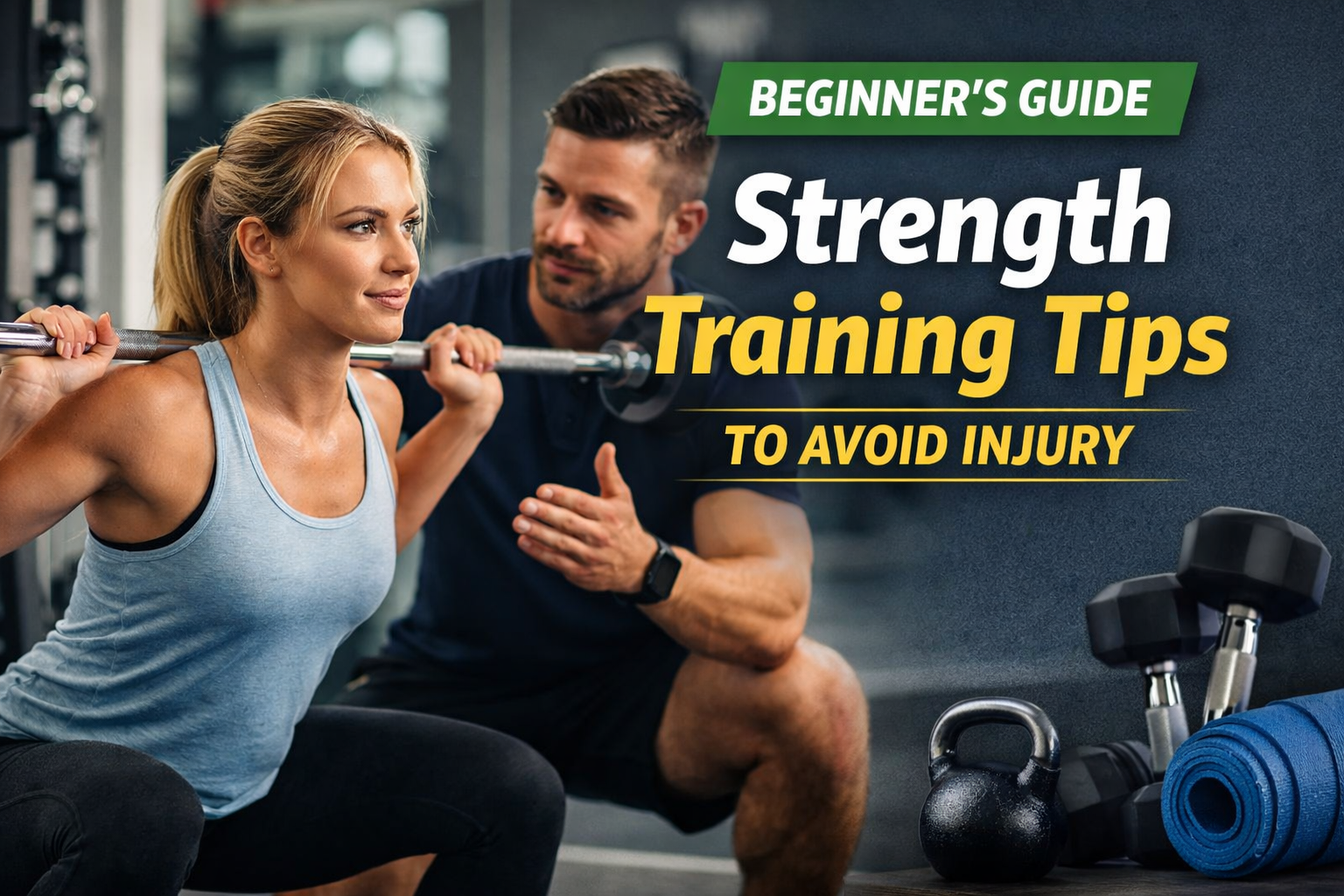
Strength training is one of the most effective ways to improve physical fitness, support long-term health, and build confidence in your body. For beginners, however, starting strength training without the right knowledge can increase the risk of injury, discomfort, and frustration. Many people abandon exercise routines early because they feel sore, overwhelmed, or unsure whether they are doing things correctly.
This guide is designed to help beginners understand how to approach strength training safely. Rather than focusing on extreme workouts or quick results, this article explains how to build a solid foundation, develop good habits, and reduce injury risk from day one. Whether you are training at home or in a gym, these principles apply to anyone starting their strength training journey.
Understanding Strength Training for Beginners
Strength training involves exercises that challenge muscles using resistance. This resistance can come from weights, resistance bands, machines, or even your own body weight. The goal is to improve muscular strength, endurance, and overall function.
What Strength Training Really Means
For beginners, strength training is not about lifting the heaviest weight possible. It is about learning how your body moves, building coordination, and gradually increasing strength over time. Exercises such as squats, lunges, push-ups, and rowing movements form the foundation of most strength programmes.
Strength training can be adapted for people of all ages and fitness levels. The key difference between safe progress and injury often lies in how exercises are performed and how quickly intensity is increased.
Why Beginners Are More Vulnerable to Injury
Beginners are more likely to experience injury because their muscles, joints, and connective tissues are not yet conditioned for resistance training. Poor technique, rushing progress, or skipping warm-ups can place unnecessary stress on the body.
Understanding these risks does not mean avoiding strength training. Instead, it highlights the importance of preparation, education, and patience.
Preparing Your Body Before You Start Training
Preparation is one of the most overlooked aspects of strength training. Many injuries occur not during advanced workouts, but during the early stages when the body is not properly prepared.
Getting Medical Clearance When Appropriate
While most people can begin light strength training safely, individuals with existing health conditions, previous injuries, or long periods of inactivity may benefit from speaking to a healthcare professional before starting. This is particularly relevant for people returning to exercise after illness or surgery.
Choosing the Right Environment
Training in a safe environment helps reduce injury risk. This includes having enough space to move freely, using stable equipment, and ensuring floors are not slippery or uneven. At home, this might mean clearing furniture or using a non-slip mat. In a gym, it involves familiarising yourself with equipment and asking staff for guidance if needed.
Wearing Appropriate Clothing and Footwear
Supportive footwear with good grip can help maintain balance and protect joints. Clothing should allow free movement without restricting joints or catching on equipment. These small details can make a significant difference in safety.
Learning Proper Technique Before Increasing Weight
One of the most common causes of injury in beginners is poor technique. Lifting heavier weights with incorrect form increases strain on joints and muscles that are not meant to handle the load.
Why Technique Matters More Than Weight
Proper technique ensures that the correct muscles are doing the work. It also helps distribute force evenly across joints and connective tissues. Beginners often assume heavier weights equal better progress, but this is not the case.
Learning correct form with lighter resistance builds muscle memory and reduces the likelihood of injury as training intensity increases.
Using Mirrors and Visual Feedback
Mirrors can be helpful tools for beginners, allowing them to check posture and movement patterns. Watching instructional videos from qualified fitness professionals can also help reinforce correct technique.
H3: Common Technique Mistakes Beginners Make
- Rounding the lower back during squats or deadlifts
- Locking joints at the top of movements
- Using momentum instead of controlled movement
- Holding breath for too long during exercises
Addressing these habits early can prevent long-term issues.
Starting With the Right Exercises
Not all exercises are equally suitable for beginners. Some movements require advanced coordination and joint stability, which may increase injury risk if attempted too early.
Compound Movements for Beginners
Compound exercises work multiple muscle groups at the same time. Examples include squats, push-ups, and rows. These movements help develop coordination and functional strength.
Starting with compound movements allows beginners to build a strong foundation before progressing to more isolated exercises.
H3: Bodyweight Exercises as a Safe Starting Point
Bodyweight exercises are often ideal for beginners. They allow individuals to learn movement patterns without the added stress of external weights. Exercises such as wall push-ups, chair squats, and supported lunges can be adjusted to suit different fitness levels.
Avoiding Overly Complex Exercises Early On
Exercises that involve unstable surfaces or advanced techniques may look appealing but are not necessary at the beginner stage. Focusing on simple, controlled movements reduces injury risk and builds confidence.
Understanding Warm-Ups and Why They Matter
A proper warm-up prepares the body for physical activity by increasing blood flow, improving mobility, and activating muscles.
What a Good Warm-Up Includes
A warm-up does not need to be long, but it should be purposeful. Light cardiovascular activity, such as walking or cycling, followed by dynamic movements, can help prepare joints and muscles for training.
H3: Dynamic vs Static Stretching
Dynamic stretching involves controlled movements through a range of motion and is generally more suitable before strength training. Static stretching, where positions are held for extended periods, is often better suited for after workouts.
Reducing Injury Risk Through Preparation
Warming up helps reduce stiffness and improves coordination, making movements feel smoother and more controlled during training sessions.
Progressing Gradually and Safely
One of the biggest mistakes beginners make is trying to progress too quickly. Muscles may adapt faster than tendons and ligaments, increasing the risk of injury.
Understanding Progressive Overload
Progressive overload refers to gradually increasing the demands placed on the body. This can involve increasing weight, repetitions, or training frequency. The key is making small, manageable changes over time.
H3: Signs You Are Progressing Too Fast
- Persistent soreness that does not improve
- Joint pain rather than muscle fatigue
- Declining performance
- Loss of motivation or enthusiasm
Listening to these signals helps prevent setbacks.
Patience as a Training Skill
Progress in strength training is not linear. Some weeks may feel easier than others. Accepting this helps beginners avoid unnecessary pressure and injury.
The Importance of Rest and Recovery
Rest is an essential part of strength training. Muscles grow and adapt during recovery, not during workouts.
Why Rest Days Matter
Training the same muscles repeatedly without rest can lead to overuse injuries. Beginners often benefit from at least one rest day between strength sessions targeting the same muscle groups.
H3: Active Recovery Explained
Active recovery involves light movement, such as walking or gentle stretching, on rest days. This can help reduce stiffness without placing additional stress on muscles.
Sleep and Recovery
Adequate sleep supports muscle repair and overall wellbeing. Poor sleep can increase fatigue and reduce coordination, increasing injury risk during training.
Listening to Your Body and Recognising Warning Signs
Pain is not the same as effort. Learning to distinguish between normal muscle fatigue and potential injury is crucial for beginners.
Understanding Normal Training Sensations
Mild muscle soreness, especially when starting a new routine, is common. This sensation typically improves within a few days and is part of the adaptation process.
H3: When Discomfort May Signal a Problem
Sharp pain, joint discomfort, or pain that worsens during exercise may indicate an issue. Ignoring these signs can lead to more serious injuries.
Knowing When to Stop
Stopping an exercise when something feels wrong is a sign of awareness, not weakness. Beginners should feel empowered to modify or pause workouts when needed.
Using Equipment Safely and Effectively
Equipment can enhance strength training, but only when used correctly.
Free Weights vs Machines
Free weights allow natural movement patterns but require greater control. Machines can offer support and guidance, making them useful for beginners learning new exercises.
H3: Adjusting Equipment Properly
Incorrect equipment setup can place joints in awkward positions. Taking time to adjust seats, handles, and weights reduces injury risk.
Resistance Bands and Beginner Training
Resistance bands offer controlled resistance and are often easier on joints. They can be particularly useful for home workouts or rehabilitation-style exercises.
Developing a Sustainable Training Routine
Consistency matters more than intensity for beginners. A sustainable routine reduces burnout and injury risk.
Frequency for Beginners
Most beginners benefit from two to three strength training sessions per week. This allows time for recovery while maintaining momentum.
H3: Balancing Strength Training With Other Activities
Including activities such as walking, cycling, or swimming can improve overall fitness without overloading muscles.
Avoiding Comparison With Others
Everyone progresses at a different pace. Comparing yourself to others can lead to unrealistic expectations and unsafe training behaviours.
Mental Approach to Injury Prevention
Mindset plays an important role in how beginners approach strength training.
Setting Realistic Expectations
Strength gains take time. Understanding this reduces frustration and the temptation to push beyond safe limits.
H3: Building Confidence Through Consistency
Confidence grows as movements become familiar. Repeating exercises with good form builds trust in your body and reduces injury anxiety.
Staying Motivated Without Overdoing It
Motivation should support consistency, not reckless intensity. Sustainable habits are more effective than short bursts of extreme effort.
Seeking Guidance and Continuing Education
Beginners do not need to figure everything out alone. Accessing reliable information and support can reduce injury risk significantly.
Working With Qualified Professionals
Personal trainers, fitness instructors, or physiotherapists can help beginners learn proper technique and build safe programmes.
H3: Using Reputable Information Sources
Online resources can be helpful, but quality varies. Seeking content from recognised fitness organisations or certified professionals helps ensure accuracy.
Adapting as You Learn
As experience grows, beginners can gradually adjust their routines. Learning is an ongoing process, not a one-time step.
Long-Term Benefits of Injury-Free Strength Training
Avoiding injury early allows people to enjoy the long-term benefits of strength training.
Supporting Everyday Function
Strength training improves balance, posture, and functional movement, supporting daily activities.
Confidence and Independence
Feeling physically capable can improve confidence and encourage long-term participation in physical activity.
Making Strength Training a Lifelong Habit
By prioritising safety and patience, beginners can develop habits that support health and wellbeing over many years.
Final Thoughts on Training Safely as a Beginner
Strength training does not need to be intimidating or risky. With the right approach, beginners can build strength, confidence, and resilience while reducing injury risk. Focusing on technique, gradual progress, recovery, and awareness creates a strong foundation for long-term success.
Disclaimer
This article is for informational purposes only and is not intended as medical or professional fitness advice. Always consult a qualified healthcare professional or certified fitness specialist before starting any new exercise programme, particularly if you have existing health conditions or concerns.