
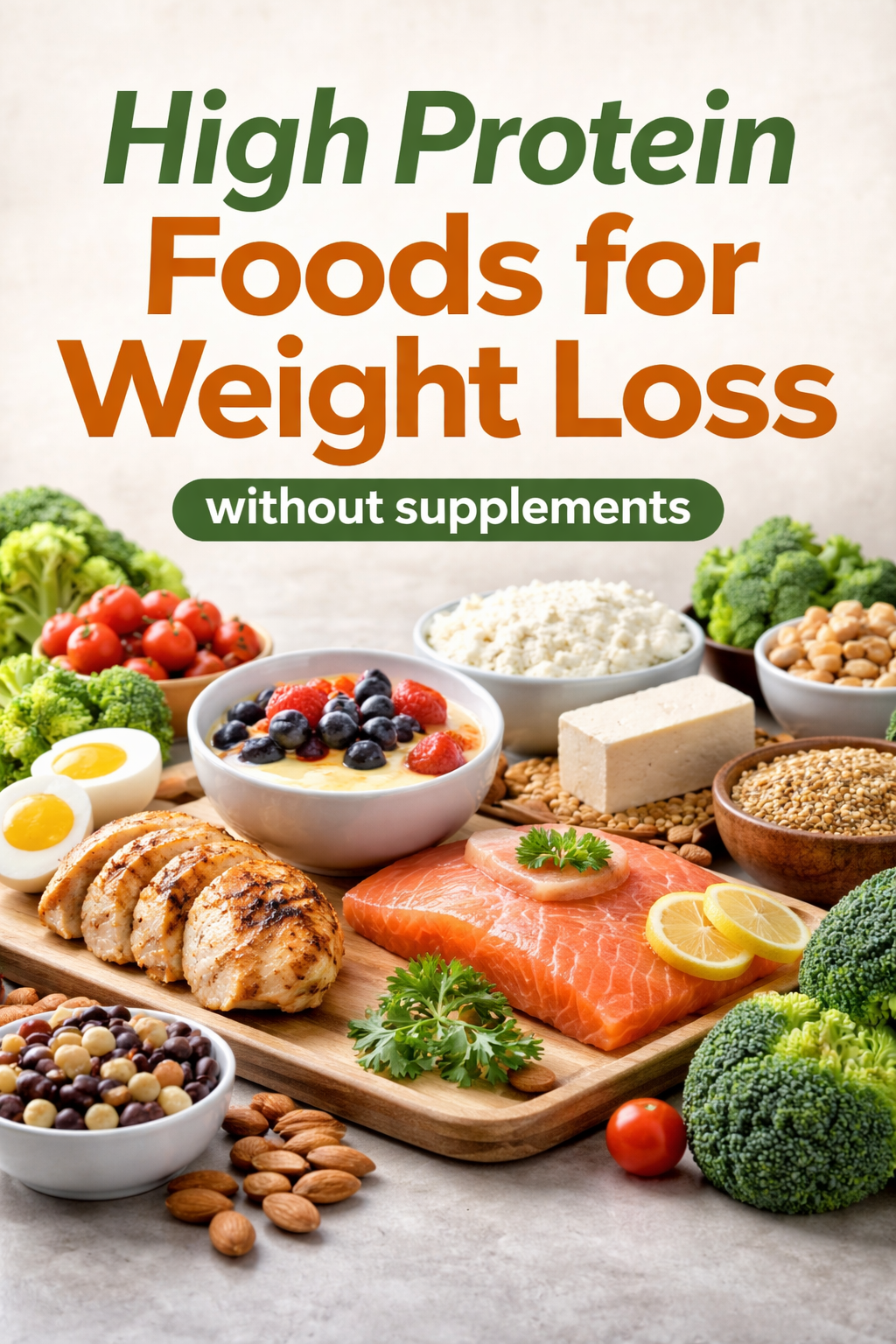
Weight loss does not have to mean expensive powders, artificial shakes, or tubs of supplements promising instant results. For most people, sustainable fat loss comes down to everyday food choices, sensible portions, and habits that can be maintained long term. One of the most powerful tools for achieving this is protein, especially when it comes from natural, whole foods rather than supplements.
Protein helps control hunger, preserves muscle mass, stabilises blood sugar, and supports the body’s natural fat-burning processes. When consumed through real foods, it also provides vitamins, minerals, fibre, and other nutrients that supplements often lack. This makes whole-food protein an ideal foundation for healthy weight loss.
In this guide, we explore how protein supports weight loss, which high-protein foods you can rely on without supplements, and how to include them in your daily meals in a realistic, affordable way. Whether your goal is fat loss, better energy, or improved overall health, this article will help you build a protein-rich diet using everyday foods you can find in any UK supermarket.
How Protein Supports Weight Loss Naturally
Protein plays a unique role in weight management that goes far beyond calories. Unlike carbohydrates and fats, protein has a powerful effect on appetite regulation, metabolism, and body composition. Understanding why protein works can help you make better food choices without relying on powders or pills.
One of the most important benefits of protein is its ability to increase satiety. Meals that contain sufficient protein help you feel full for longer, reducing the likelihood of snacking between meals or overeating later in the day. This happens because protein influences hunger hormones such as ghrelin, which stimulates appetite, and peptide YY, which signals fullness.
Protein also has a higher thermic effect than carbohydrates or fats. This means your body uses more energy to digest and process protein, slightly increasing the number of calories burned during digestion. While this effect is not dramatic on its own, it contributes to a more favourable calorie balance over time.
Another key advantage of protein is its role in preserving lean muscle mass during weight loss. When people reduce calories without adequate protein, the body may break down muscle for energy. Maintaining muscle is important not only for strength and mobility but also because muscle tissue burns more calories at rest than fat tissue. A protein-rich diet helps protect muscle, keeping metabolism more efficient.
Blood sugar control is another area where protein shines. Protein slows the digestion of carbohydrates, preventing sharp spikes and crashes in blood sugar levels. Stable blood sugar helps reduce cravings, energy dips, and the urge to reach for sugary foods, which can derail weight loss efforts.
Finally, protein supports overall nutritional balance. High-protein whole foods often contain essential nutrients such as iron, zinc, B vitamins, calcium, and omega-3 fats. These nutrients support energy levels, hormone balance, and general wellbeing, making it easier to stay consistent with healthy habits.
When protein comes from real food rather than supplements, these benefits are amplified. Whole foods provide structure, texture, and volume, all of which contribute to satiety and satisfaction in a way liquids and powders rarely do.
Best Animal-Based High Protein Foods For Fat Loss
Animal-based foods are among the most concentrated natural sources of protein. They provide complete proteins, meaning they contain all essential amino acids required by the body. When chosen carefully, they can support weight loss without excess calories or unhealthy fats.
Eggs are one of the most versatile and affordable high-protein foods available. A single egg contains around six grams of protein along with important nutrients such as choline and vitamin B12. Eggs are highly filling and can be prepared in many ways, making them ideal for breakfast, lunch, or dinner. Contrary to outdated beliefs, eggs can be part of a balanced diet for most people when eaten in moderation.
Chicken breast is a staple for weight loss for good reason. It is high in protein, low in fat, and easy to cook in bulk. One cooked chicken breast provides roughly 30 grams of protein with minimal calories. Grilling, baking, or air frying chicken without heavy sauces keeps it lean and weight-loss friendly.
Turkey is another excellent option, particularly turkey breast mince or sliced turkey breast. It offers similar protein content to chicken and often contains less fat. Turkey is also rich in selenium and B vitamins, which support metabolism and immune function.
Fish deserves a central place in any high-protein, weight-loss diet. White fish such as cod, haddock, and pollock are very low in calories while providing high-quality protein. Fatty fish like salmon, mackerel, and sardines offer protein alongside omega-3 fatty acids, which support heart health and may help regulate appetite. While fatty fish contains more calories, it can still support weight loss when eaten in appropriate portions.
Lean cuts of beef can also fit into a fat-loss plan. Sirloin, topside, and extra-lean minced beef provide iron, zinc, and protein without excessive fat. Choosing lean cuts and avoiding processed meats helps keep calorie intake under control.
Dairy products are another valuable source of protein. Greek yoghurt, cottage cheese, and skyr are particularly high in protein and can be used in both sweet and savoury dishes. These foods also provide calcium, which supports bone health and may play a role in fat metabolism.
When including animal-based protein foods, portion control and cooking methods matter. Grilling, baking, steaming, and boiling preserve protein content without adding unnecessary calories. Avoiding deep frying and heavy sauces ensures these foods remain supportive of weight loss goals.
High Protein Plant-Based Foods That Aid Weight Loss
Plant-based protein sources are often overlooked, but they can play a powerful role in weight loss, especially when combined thoughtfully. While many plant proteins are incomplete on their own, a varied diet easily provides all essential amino acids over the course of the day.
Lentils are one of the best plant-based protein foods for fat loss. They are high in protein and fibre, which together promote fullness and stable blood sugar. Lentils are also inexpensive, versatile, and suitable for soups, salads, curries, and stews.
Chickpeas and other beans such as black beans, kidney beans, and cannellini beans offer a combination of protein, fibre, and slow-digesting carbohydrates. This makes them ideal for maintaining energy levels while reducing overall calorie intake. Beans can be added to salads, wraps, and main meals to boost protein without relying on animal products.
Tofu and tempeh are popular protein sources made from soybeans. Tofu is relatively low in calories and absorbs flavours well, making it easy to include in many dishes. Tempeh is more dense and contains fermented soy, which may support gut health. Both provide complete protein and can be grilled, baked, or stir-fried.
Quinoa is a unique grain because it contains all essential amino acids. While it is higher in carbohydrates than some other protein sources, it still offers more protein than most grains and provides fibre and minerals. When eaten in moderate portions, quinoa can support weight loss while keeping meals satisfying.
Nuts and seeds contain protein along with healthy fats. Almonds, peanuts, pumpkin seeds, and chia seeds can all contribute to protein intake. However, they are calorie-dense, so portion control is important. Small amounts can enhance meals without hindering fat loss.
Vegetables also contribute to protein intake, though in smaller amounts. Broccoli, spinach, Brussels sprouts, and peas contain more protein than most vegetables and add volume and nutrients to meals without many calories. Including these foods regularly improves overall diet quality.
Plant-based protein foods offer additional benefits such as fibre, antioxidants, and phytonutrients that support digestive health and inflammation control. These factors can indirectly support weight loss by improving gut health and reducing cravings.
Protein-Rich Meals You Can Make Without Supplements
Knowing which foods are high in protein is helpful, but real progress comes from turning them into practical meals. Protein-rich meals do not need to be complicated or time-consuming. Simple combinations can deliver excellent results when prepared consistently.
A high-protein breakfast sets the tone for the day. Eggs with vegetables, Greek yoghurt with berries, or cottage cheese with fruit are all quick options that provide protein and nutrients. Starting the day with protein helps control hunger and reduces the temptation to snack on sugary foods later.
Lunch can be built around lean protein and fibre-rich carbohydrates. Grilled chicken with salad, tuna with wholegrain bread, or lentil soup with vegetables provide sustained energy without excessive calories. Preparing lunch in advance can prevent reliance on convenience foods.
Dinner is an opportunity to enjoy a satisfying, protein-centred meal. Baked fish with vegetables, turkey mince stir-fry, or tofu and vegetable curry are all examples of balanced meals that support fat loss. Using herbs and spices instead of creamy sauces keeps calories in check while enhancing flavour.
Snacks can also contribute to protein intake. Boiled eggs, yoghurt, cottage cheese, or hummus with vegetables are all protein-rich options that help curb hunger between meals. Choosing snacks with protein reduces the likelihood of overeating later.
Meal timing and portion size are important considerations. Spreading protein intake evenly across meals supports muscle maintenance and satiety. Large amounts of protein in one meal and very little in others may be less effective for appetite control.
Cooking at home allows greater control over ingredients and portion sizes. Batch cooking protein sources such as chicken, lentils, or beans can save time and make healthy choices more convenient throughout the week.
By focusing on simple, repeatable meals, it becomes easier to maintain a protein-rich diet without relying on supplements. Consistency, rather than perfection, is what leads to long-term results.
Common Mistakes When Increasing Protein Intake
While protein is beneficial for weight loss, certain mistakes can reduce its effectiveness or lead to frustration. Understanding these pitfalls can help you get better results from your efforts.
One common mistake is consuming too many calories alongside protein. Protein-rich foods can still contribute significant calories if they are fried, coated in sauces, or paired with refined carbohydrates. Choosing lean proteins and simple cooking methods helps avoid this issue.
Another mistake is relying too heavily on processed protein foods. Sausages, cured meats, and heavily processed meat alternatives may be high in protein but also contain excess salt, saturated fat, or additives. These foods are less supportive of overall health and weight management.
Some people increase protein intake but neglect fibre. Fibre works alongside protein to promote fullness and digestive health. Without enough fibre from vegetables, fruits, and whole grains, a high-protein diet may feel restrictive or cause digestive discomfort.
Inconsistent protein intake is another issue. Eating very little protein at breakfast and large amounts at dinner may reduce the appetite-controlling benefits of protein. A more even distribution throughout the day is generally more effective.
Portion distortion can also occur, particularly with calorie-dense protein sources such as nuts and cheese. While nutritious, these foods should be eaten mindfully to avoid exceeding calorie needs.
Finally, expecting protein alone to cause weight loss is unrealistic. Protein supports fat loss, but it works best as part of a balanced lifestyle that includes movement, sleep, and overall calorie awareness.
Avoiding these mistakes allows protein to play its intended role as a tool for sustainable, healthy weight loss rather than a short-term fix.
How To Build A Sustainable High Protein Weight Loss Plan
Sustainable weight loss is not about extremes. It is about creating habits that can be maintained over months and years. A high-protein diet built on whole foods can be both effective and enjoyable when approached thoughtfully.
Start by assessing your current eating habits. Identify meals or snacks that are low in protein and consider simple swaps. Adding eggs to breakfast, choosing yoghurt instead of sugary snacks, or including beans in meals can make a noticeable difference.
Plan meals around protein rather than adding protein as an afterthought. Building meals with a clear protein source ensures that each meal contributes to satiety and muscle maintenance. This approach naturally improves diet quality.
Variety is essential for long-term success. Rotating between different protein sources prevents boredom and ensures a wider range of nutrients. Including both animal-based and plant-based proteins can also improve overall balance.
Listen to your body’s hunger and fullness signals. Protein helps regulate appetite, but mindful eating is still important. Eating slowly and paying attention to portion sizes supports better digestion and satisfaction.
Physical activity complements a high-protein diet. Resistance training and regular movement help preserve muscle and improve body composition. Protein supports recovery and adaptation to exercise, making it easier to stay active.
Finally, be patient. Weight loss is rarely linear, and progress may fluctuate. Focusing on habits rather than short-term results helps maintain motivation and consistency.
By prioritising whole-food protein sources, balanced meals, and realistic habits, weight loss becomes more manageable and sustainable without the need for supplements.