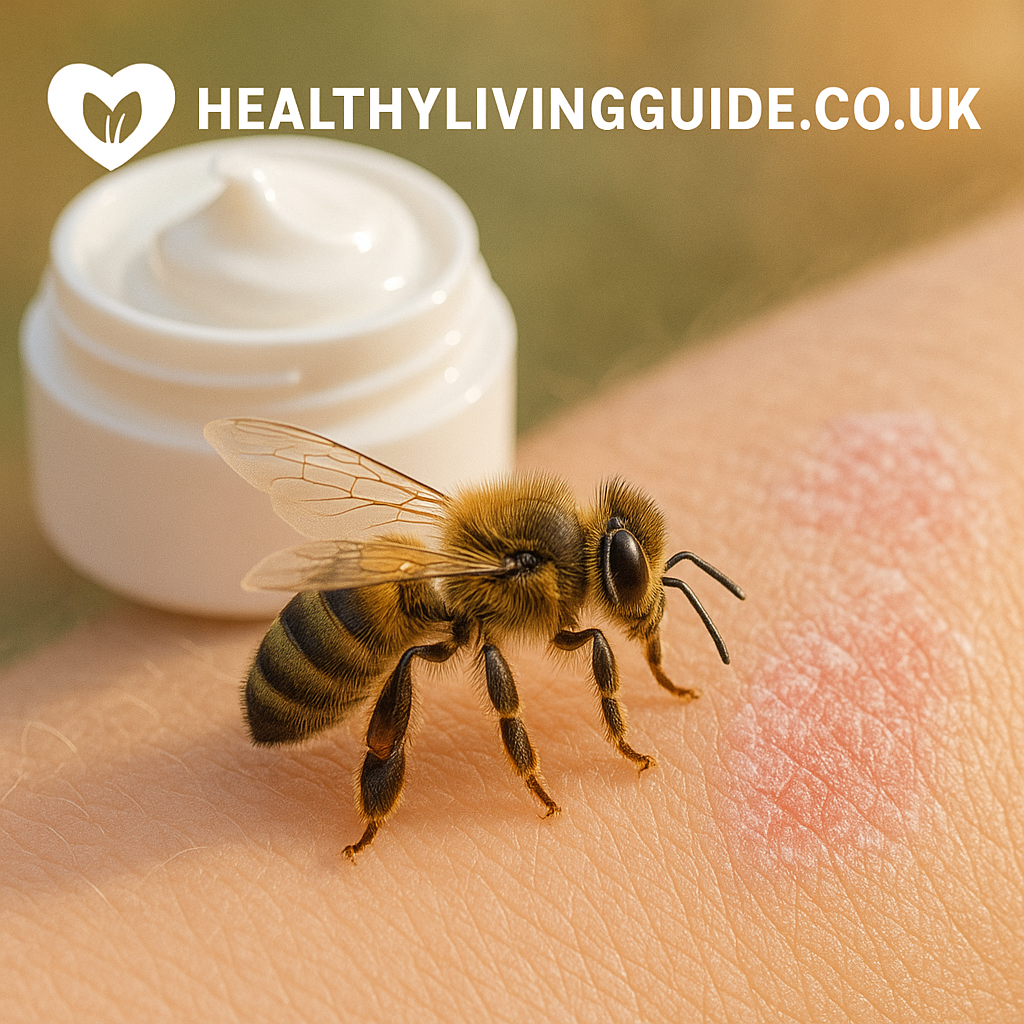
Discover how bee venom therapy may help reduce psoriasis symptoms, soothe inflammation, and restore healthier skin naturally through apitherapy.
The Search For Natural Healing
Living with psoriasis is not just a physical condition — it’s an emotional journey filled with frustration, discomfort, and often embarrassment. The constant itching, dryness, and scaling can affect sleep, self-esteem, and even social life. While modern medicine provides temporary relief, many treatments fail to address the deeper cause of inflammation and immune imbalance.
This is why thousands of people are turning toward natural healing approaches — remedies that work with the body instead of against it. Among these, bee venom therapy has attracted remarkable attention. Though it may sound intimidating at first, bee venom has been used as medicine for centuries and continues to demonstrate powerful results in modern clinical research.
This ancient remedy — once reserved for royalty and traditional healers — is now available to everyone in forms like creams, serums, capsules, and ointments, making natural healing more accessible than ever.
Ancient Wisdom Meets Modern Science
Humanity’s relationship with bees goes back thousands of years. Ancient Egyptians revered bees as symbols of health and immortality. Greek physicians like Hippocrates, known as the father of medicine, reportedly used bee stings to relieve joint pain and swelling. In China, records from over 2,000 years ago describe using bee venom in acupuncture points to promote healing and balance.
Modern science now confirms what ancient healers instinctively knew — that bee venom contains biologically active compounds capable of modulating the immune system and reducing inflammation. This discovery bridges the gap between traditional wisdom and evidence-based medicine.
The Chemistry Behind The Healing
Bee venom, or apitoxin, is a transparent liquid made up of more than 30 complex substances, each playing a unique role in healing. Let’s look closer:
- Melittin – The most abundant component (about 40–60%), known for its potent anti-inflammatory power. It can block certain enzymes responsible for redness, pain, and tissue swelling.
- Apamin – Improves nerve communication and may aid in the repair of damaged tissues.
- Phospholipase A2 (PLA2) – Triggers controlled immune responses that stimulate regeneration and help remove old or damaged cells.
- Adolapin – Provides natural pain relief and reduces prostaglandin synthesis, the compound responsible for inflammation.
- Hyaluronidase – Enhances absorption, helping other beneficial compounds penetrate deeply into the skin.
These natural elements don’t just suppress symptoms — they activate the body’s own healing processes, which is vital for chronic autoimmune conditions like psoriasis.
Understanding Psoriasis On A Deeper Level
Psoriasis is more than a surface problem; it’s a reflection of internal immune imbalance. The immune system mistakes healthy skin cells as threats, attacking them as if fighting infection. This accelerates skin cell turnover to just 3–5 days instead of 28, leading to thick, scaly patches that itch, crack, and sometimes bleed.
Common Symptoms Include:
- Raised red patches with silvery-white scales
- Itching and burning sensations
- Dry, cracked skin that may bleed
- Soreness or inflammation around lesions
- Stiff or painful joints (in psoriatic arthritis)
The Emotional Toll
Psoriasis doesn’t only affect the skin — it affects mental well-being. Many sufferers experience anxiety, depression, or social withdrawal, especially during flare-ups. Stress, in turn, worsens psoriasis, creating a vicious cycle that’s difficult to break.
This is where holistic treatments like bee venom can make a difference — not only calming the skin but helping restore balance to the nervous and immune systems.
How Bee Venom Helps Psoriasis Naturally
Bee venom works through multiple biological pathways to bring about healing. Here’s how it supports your skin and body:
1. Anti-Inflammatory Defense
Inflammation is at the core of psoriasis. Melittin, the key peptide in bee venom, suppresses pro-inflammatory cytokines such as TNF-alpha, IL-6, and IL-17 — the same molecules targeted by expensive biologic drugs. Yet, bee venom does this naturally, without weakening your immune system entirely.
2. Rebalancing The Immune Response
Psoriasis is driven by an overactive immune system. Bee venom’s unique proteins help modulate immune cell behaviour, particularly T-cells and dendritic cells. Instead of shutting down the immune system, it retrains it to respond appropriately — reducing attacks on healthy skin.
3. Accelerating Skin Regeneration
Compounds like apamin and PLA2 encourage collagen production and cell renewal. This means faster healing, smoother skin texture, and less scaling over time.
4. Antibacterial Protection
Open psoriasis patches are vulnerable to bacterial infection. Bee venom’s antimicrobial properties protect the skin while promoting a cleaner healing environment.
5. Natural Pain and Itch Relief
Adolapin acts like a natural analgesic, soothing itching, burning, and soreness — common daily struggles for psoriasis patients. This relief allows for better sleep and less stress, both crucial in managing flare-ups.
What Research Says About Bee Venom Therapy
Modern studies are increasingly validating the ancient practice of apitherapy. Here are a few examples of scientific evidence supporting bee venom for psoriasis:
- A 2016 clinical study published in the Journal of Integrative Medicine observed significant improvement in psoriasis plaques among participants treated with bee venom acupuncture for 12 weeks. The therapy reduced redness, thickness, and scaling by an average of 65% compared to the control group.
- Phytotherapy Research (2020) reviewed multiple animal and human trials and found that bee venom reduces inflammatory markers and supports tissue repair, showing potential as a safe, complementary therapy.
- Korea University College of Medicine (2018) reported that applying bee venom cream to psoriatic skin reduced irritation and improved elasticity without major side effects.
- Italian dermatology clinics have started combining bee venom with propolis and Manuka honey in topical ointments, citing positive outcomes in patients resistant to standard steroid creams.
While no therapy is a miracle cure, the consistency of these findings makes bee venom an exciting adjunctive therapy for those seeking natural solutions.
How To Use Bee Venom Safely For Psoriasis
Bee venom can be used in various forms depending on comfort level, budget, and severity of symptoms.
1. Bee Venom Creams And Ointments
Topical creams are the most accessible and beginner-friendly option. They deliver a safe, controlled dose of venom directly to the skin, soothing irritation and supporting repair.
👉 Recommended Product:
Bee Venom Skin Repair Cream – a gentle, natural cream enriched with honey and propolis, perfect for daily psoriasis care.
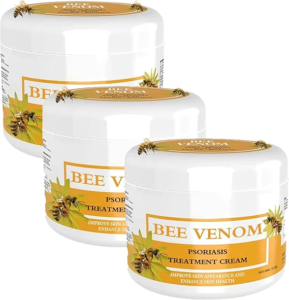
Apply twice daily to clean, dry skin. Massage gently until fully absorbed.
2. Bee Venom Serums And Face Masks
Serums offer a concentrated formula that penetrates deeply, ideal for dry or flaky facial psoriasis.
👉 Recommended Product:
Boto Bee Venom Serum – rich in collagen to rejuvenate the skin’s surface and reduce inflammation.

Use a few drops morning and evening as part of your skincare routine.
3. Professional Apitherapy Sessions
For advanced cases, consider bee venom acupuncture or microinjections performed by trained apitherapists. The controlled application targets immune pathways directly and is often used for arthritis and autoimmune diseases.
Always ensure your therapist is licensed and performs an allergy test beforehand.
A Natural Psoriasis Routine With Bee Venom
To maximize benefits, integrate bee venom products into a daily wellness plan. Here’s a sample holistic routine:
Morning
- Take a warm shower using a gentle honey or oat-based cleanser.
- Apply bee venom cream to affected areas.
- Follow with a light moisturizer or Manuka honey lotion.
- Take omega-3 fish oil or turmeric capsules to support internal healing.
Afternoon
- Stay hydrated — aim for 2–3 litres of water daily.
- Eat an anti-inflammatory lunch rich in green vegetables, salmon, and olive oil.
- If stress triggers flare-ups, try 10 minutes of deep breathing or short walks.
Evening
- Apply bee venom serum or mask after cleansing.
- Massage gently to increase circulation.
- Use a humidifier if your room is dry.
- Sleep at least 7–8 hours to allow your skin to regenerate overnight.
Over time, this consistent approach can improve both skin health and emotional well-being.
Lifestyle Factors That Support Bee Venom Therapy
Healing psoriasis naturally requires more than topical care. Bee venom works best when combined with healthy lifestyle choices:
1. Anti-Inflammatory Diet
Focus on foods that lower inflammation:
- Leafy greens (spinach, kale, rocket)
- Fatty fish (salmon, mackerel, sardines)
- Nuts, seeds, olive oil
- Berries, turmeric, and ginger
Avoid processed foods, refined sugar, and excessive red meat which trigger flare-ups.
2. Stress Management
Stress is a well-known psoriasis trigger. Incorporate yoga, meditation, or journaling to maintain mental balance. Bee venom’s soothing effect on the nervous system complements these practices beautifully.
3. Sunlight And Vitamin D
Moderate sun exposure can ease psoriasis symptoms. Try 10–15 minutes of sunlight daily while protecting unaffected areas with sunscreen.
4. Stay Hydrated
Dry skin worsens psoriasis. Keep your body hydrated and use a natural moisturizer daily, preferably one containing beeswax or honey for long-lasting protection.
5. Sleep And Routine
Sleep allows your immune system to repair and rebalance. Set a calming nighttime routine, perhaps using a lavender diffuser to help you relax.
Real-Life Testimonials And Experiences
Across online communities and wellness forums, people share inspiring stories of improvement through bee venom therapy.
- A user from London reported that applying bee venom cream twice daily reduced redness and flakiness on her elbows within three weeks.
- A man from Manchester using bee venom serum with Manuka honey noticed fewer flare-ups after a stressful work period.
- Several apitherapy clinics in Europe record long-term patients with psoriasis maintaining clearer skin without steroid dependency.
Although individual results differ, the consistent feedback highlights reduced itching, smoother skin, and increased confidence.
Combining Bee Venom With Complementary Remedies
For best results, pair bee venom with other natural allies:
- Aloe Vera Gel – hydrates and cools inflamed skin.
- Manuka Honey Cream – aids in antibacterial protection and moisture retention.
- Turmeric Supplements – help control internal inflammation.
- Dead Sea Salt Bath Soaks – detoxify and soften plaques.
- Omega-3 Capsules – enhance skin barrier and immune health.
👉 Available on Amazon UK.
Safety Tips And Allergy Awareness
Bee venom is potent — and while most people tolerate it well, precautions are vital:
- Always do a patch test before full application.
- Avoid using on open wounds or severely cracked skin.
- If pregnant, breastfeeding, or on immunosuppressants, consult a doctor first.
- If you’ve ever had a severe allergic reaction to bee stings, do not use bee venom in any form.
- Store your products in a cool, dry place away from direct sunlight.
When used responsibly, bee venom can be a safe, natural addition to your psoriasis care routine.
The Future Of Bee Venom In Dermatology
The field of biocosmetic science is now investing heavily in researching bee venom’s molecular effects. Dermatologists predict its potential inclusion in next-generation skin therapies due to its ability to stimulate collagen, regulate immunity, and encourage self-healing.
Clinical trials are exploring formulations that combine bee venom with CBD, royal jelly, and probiotics to create even more effective solutions for chronic skin inflammation.
As awareness spreads, bee venom may one day be part of mainstream dermatology — bridging natural medicine and modern science for sustainable skin health.
Living Confidently With Psoriasis
Psoriasis doesn’t define you. It’s a signal from your body to restore balance, to nurture your skin and inner peace. Bee venom offers more than symptom relief — it offers renewed hope.
By embracing nature’s pharmacy, you tap into an ancient source of healing energy, the same wisdom that bees have shared with humanity for thousands of years. Whether through creams, serums, or guided therapy, bee venom can help you rebuild healthier skin and a calmer mind.
Your journey to healing begins with one small step — and perhaps one tiny sting from nature’s most extraordinary healer.